
Dynamic Sculpting
When a movie director adjusts the lighting on a film set, they change the mood of the entire scene instantly. Music functions in a similar way through the careful use of volume shifts to guide the listener. Musicians call this process dynamic sculpting because it physically shapes the emotional landscape of a piece. Just as a painter uses light and shadow to create depth, a composer uses loudness and softness to build musical tension. These shifts allow a simple melody to transform into a powerful experience that captures the human spirit. Mastering these changes is essential for any performer who wants to tell a compelling story without using a single word.
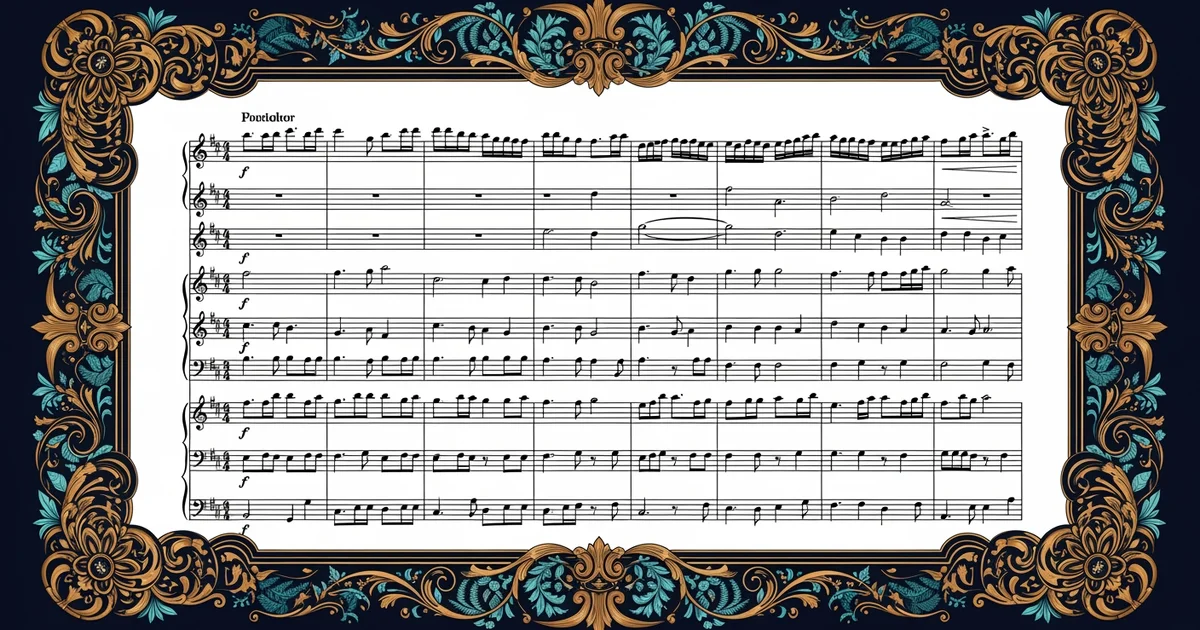
The Mechanics of Volume Control
Effective performance relies on the deliberate manipulation of energy levels throughout a composition. You must view volume not as a static setting, but as a flexible tool for narrative flow. Think of this like a household budget where you manage limited funds to pay for different needs throughout the month. If you spend all your money on the first day, you have nothing left for the rest of the week. Similarly, if you play at maximum volume from the very first note, you leave yourself no room to grow when the climax arrives. By saving your loudest moments for the most important sections, you create a sense of anticipation that keeps the audience listening closely.
Key term: Dynamic sculpting — the intentional use of volume variations to influence the emotional impact and narrative arc of a musical performance.
Building a strong dynamic range requires you to understand the relationship between silence and sound. Silence acts as a canvas that makes every following note sound more intentional and impactful to the ear. When you decrease your volume, you invite the listener to lean in and focus on the subtle details of your playing. This technique creates a contrast that makes your louder sections feel much more explosive when they finally occur. You should practice moving between these extremes to develop the physical control required for professional performance. This balance is the primary way that individual musical ideas transform into a cohesive and powerful symphonic experience.
Marking Dynamic Shifts in Scores
Musicians use specific symbols to communicate these volume changes clearly on the printed page. These markings provide a roadmap for the performer to follow during the rehearsal and performance process. The most common markings are listed below for your reference during study:
- Crescendo: This term indicates a gradual increase in volume over a set period of time, which acts like a rising wave building toward a peak.
- Decrescendo: This term marks a gradual decrease in volume, which helps the music settle into a softer and more intimate state after a loud moment.
- Subito Piano: This instruction tells the player to drop the volume suddenly, creating a jarring or surprising shift that keeps the audience alert and engaged.
When you mark these shifts in your own score, you must be precise about where the change begins and ends. Vague markings lead to messy performances where the ensemble struggles to stay together during emotional transitions. You should treat every dynamic symbol as a vital instruction that dictates the success of the narrative arc. If you fail to mark these changes clearly, the performers will lose their connection to the music and the story will fall flat. Always ensure your markings are visible and placed directly above or below the notes they affect. This clarity ensures that every member of the group understands exactly how to shape the sound together.
Following these rules for volume management allows you to control the listener's journey from start to finish. You are the architect of the emotional experience, and your tools are the subtle differences in your output. Practice these shifts daily until they become an intuitive part of your musical vocabulary. As you grow more comfortable with these techniques, you will find that your performances carry more weight and meaning. Never underestimate the power of a well-placed whisper in a world that is often too loud. This attention to detail separates a simple collection of notes from a truly memorable musical performance.
True dynamic sculpting requires the performer to manage volume as a limited resource to ensure the most impactful moments receive the greatest intensity.
Now that you can control the volume of your music, you must learn how to organize these sounds onto a page through the process of score formatting.