
The Palette of Sound
Imagine you are painting a vibrant mural but you only have access to a single shade of blue paint. Your artwork would lack depth because every single detail would blend into one flat and uninteresting surface. Musical orchestration works in the same way by using a wide variety of instrument tones to create a rich landscape. Composers select different instruments to ensure that every melodic line stands out against the background of the ensemble. This careful selection process allows the listener to distinguish between individual musical parts even when many sounds happen at the same time.
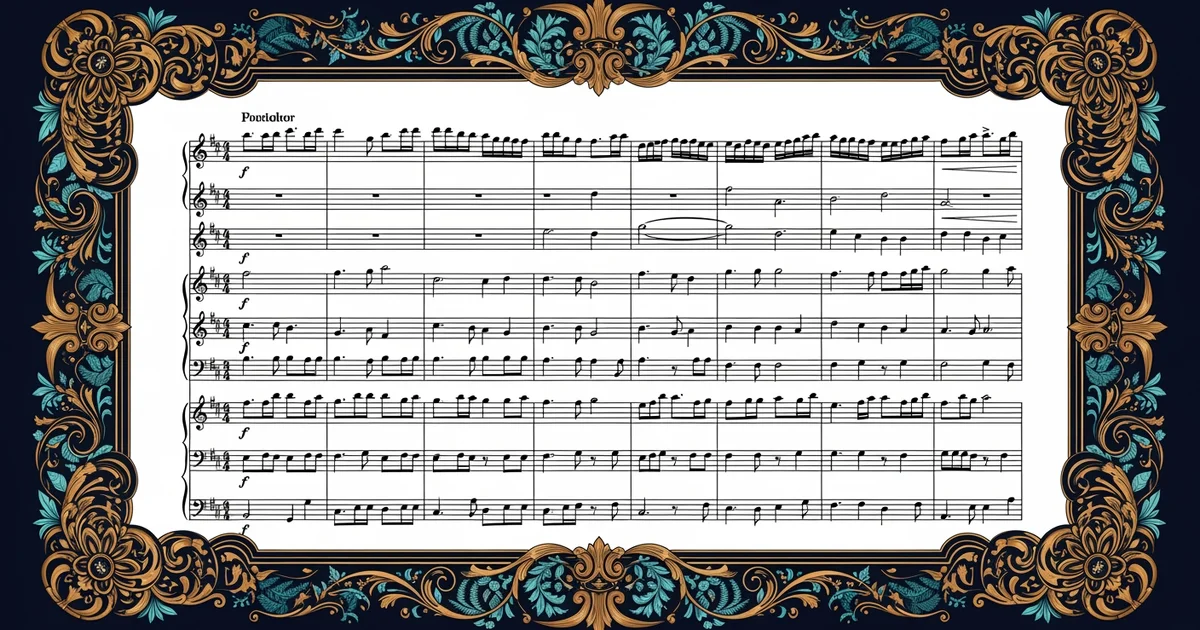
Understanding Timbral Variety
Every instrument possesses a unique sound quality known as timbre which acts as its distinct sonic fingerprint. You can identify a flute from a trumpet even if they play the exact same note at the same volume level. This difference happens because each instrument vibrates in a unique way that produces a specific set of secondary frequencies. These extra frequencies combine to give the instrument its bright, dark, warm, or piercing character. Just as a chef balances salty, sweet, and sour flavors to make a meal delicious, a composer balances these different sound qualities to make a piece of music emotionally compelling.
When we group instruments, we look at how they produce sound through mechanical vibration. This classification helps us understand how different materials influence the final tone color we hear in a performance. The primary categories of instruments are defined by these acoustic properties:
- String instruments produce sound when a player vibrates a stretched string through plucking, bowing, or striking it, creating a resonant and often warm tone quality.
- Woodwind instruments generate sound by splitting an air column against an edge or vibrating a reed, which results in a breathy and versatile sonic character.
- Brass instruments rely on the player buzzing their lips into a metal mouthpiece to vibrate a long column of air, producing a bold and powerful sound.
- Percussion instruments create sound when a player strikes, shakes, or scrapes a surface, offering a wide range of rhythmic textures and dramatic impact to the music.
Organizing the Sound Palette
We can organize these instruments by their physical properties to see how they function within a larger musical group. This structured approach allows performers to understand which instruments provide the foundation and which provide the decorative flair. The following table compares how these instrument groups interact with the surrounding air to create their specific musical effects.
| Instrument Group | Primary Sound Source | Typical Sonic Quality | Role in Ensemble |
|---|---|---|---|
| String | Vibrating String | Warm and Sustained | Harmonic Foundation |
| Woodwind | Vibrating Air Column | Agile and Breathy | Melodic Detail |
| Brass | Buzzing Lips/Air | Powerful and Bright | Harmonic Support |
| Percussion | Struck Surface | Rhythmic and Sharp | Dynamic Emphasis |
By understanding these distinct categories, you can better appreciate why a composer chooses a violin for a delicate melody instead of a loud drum. The violin offers a singing quality that mimics the human voice, while a drum provides the structural pulse that drives the rhythm forward. This division of labor ensures that the music remains balanced and clear for the listener at all times. When instruments are chosen for their specific roles, the resulting sound becomes much more than a collection of individual notes. It transforms into a cohesive experience where every layer serves a clear and necessary purpose for the overall composition.
Key term: Timbre — the unique characteristic of a sound that allows the listener to distinguish between different instruments playing the same pitch.
This deliberate arrangement of sound colors ensures that the listener never feels overwhelmed by a wall of noise. Instead, the music becomes a carefully crafted conversation where every voice has a place to shine. As you listen to your favorite songs, try to isolate the different instruments and identify their specific contributions to the overall mood of the piece. You will notice that the texture of the music changes significantly when different instruments enter or leave the arrangement. This awareness is the first step toward understanding how professional composers build complex symphonic works from simple building blocks.
Selecting instruments based on their unique timbral qualities allows composers to build depth and clarity into the architecture of a musical performance.
Now that we have categorized the instruments by their sound, we will explore how these individual voices combine to create complex layers of musical texture.