
String Section Writing
Imagine a massive, complex machine where every gear must turn in perfect sync to move the entire mechanism forward. Writing for the violin family is much like managing that machine because you must balance four distinct voices to create one unified sound. Composers often treat the string section as the backbone of the orchestra since it provides both harmonic depth and rhythmic drive. When you arrange these parts, you are essentially building a musical foundation that supports every other instrument in the ensemble. Getting the balance right requires a deep understanding of how each instrument sits within its own frequency range. If you neglect these mechanical relationships, your arrangement will sound muddy rather than clear and powerful.
Balancing the Four String Voices
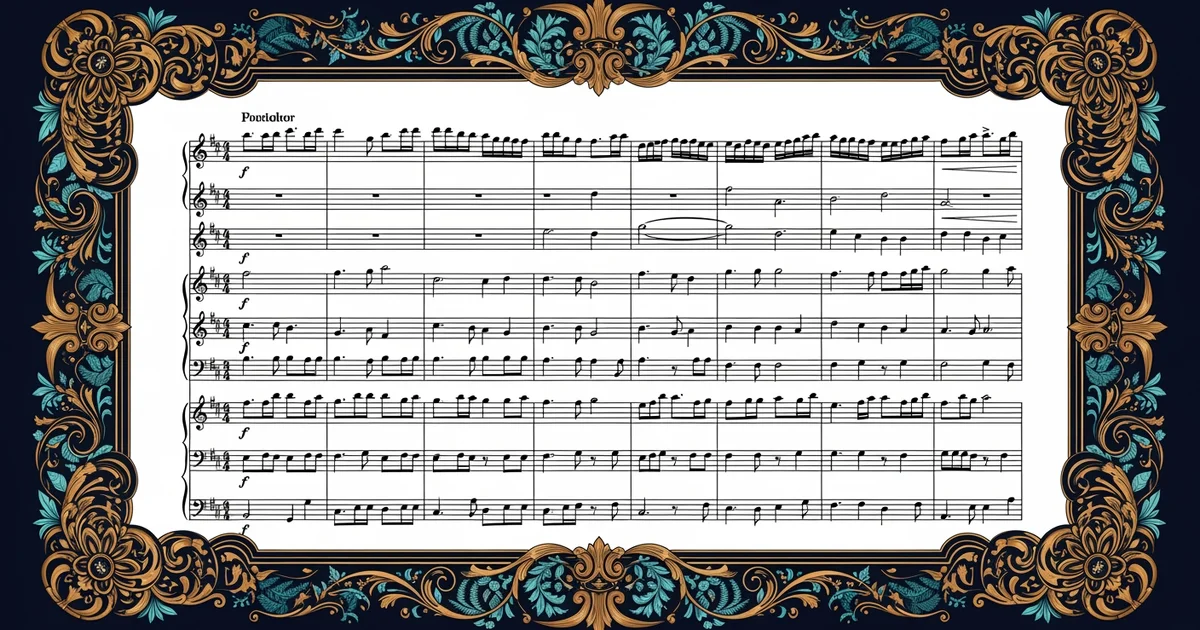
To achieve a balanced sound, you must treat the string section like a four-part choir that needs to breathe together. The violin parts typically handle the highest melodic lines, while the viola provides the essential middle texture that bridges the gap between high and low registers. Below them, the cello reinforces the harmonic structure by playing the bass lines or sustained chords that ground the entire piece. Finally, the double bass adds the lowest frequency, which acts like the heavy base of a building to keep the structure stable. When these four parts work in harmony, they create a rich, resonant texture that fills the concert hall without overwhelming the listener. Think of this arrangement process like cooking a complex stew where each ingredient must contribute to the overall flavor without masking the others. If you add too much salt, which is like giving the violins too much volume, you lose the subtle notes of the vegetables. You must carefully distribute the musical weight so that no single voice dominates the arrangement unless the melody specifically requires that extra focus.
Writing effective parts means you should follow a logical process to ensure the music flows naturally for the performers. You should start by sketching the main melody and then build the supporting harmony around that central theme. Once the harmony is set, you can refine the inner voices to create movement and interest within the string section.
- Establish the primary melodic line in the first violin section to create a clear focus for the audience to follow during the piece.
- Add the cello line to define the harmonic progression, ensuring the bass notes provide a solid foundation for the higher parts to rest upon.
- Fill in the middle textures with the violas and second violins to create a lush, full sound that bridges the gap between high and low frequencies.
- Review the spacing between each part to ensure that no voices overlap in a way that causes muddy or unclear acoustic interference during the performance.
Managing Acoustic Density and Texture
When you arrange for strings, you must consider the physical space between notes to avoid acoustic clutter. Dense writing can lead to a thick, heavy sound that obscures the melody, while sparse writing might leave the arrangement feeling thin and empty. A great arranger knows how to toggle between these two states to keep the listener engaged throughout the musical journey. You can use sustained notes in the lower voices to create a sense of tension, while short, rhythmic pulses in the upper voices add energy and excitement. This contrast is the key to maintaining momentum in your symphonic writing. If you find that your arrangement feels stagnant, try introducing a counter-melody in the viola section to provide a fresh perspective against the main theme. This technique keeps the ear busy and prevents the music from becoming predictable or repetitive over time. Remember that the goal is to create a cohesive experience where the listener feels the weight of the orchestra through the strings.
Key term: Voicing — the specific arrangement and distribution of notes across different instruments to create a balanced and clear harmonic sound.
Applying these principles requires practice and a keen ear for how different registers interact within the string ensemble. You must always check your work by listening to how the parts blend together rather than just looking at the notes on the page. If you notice a specific section sounds harsh, try adjusting the spacing of the chords to allow more room for the individual frequencies to breathe. This iterative process of refining your arrangement is what separates a basic musical idea from a truly professional symphonic experience. By focusing on the mechanics of each voice, you ensure that your music remains clear and impactful regardless of the complexity of the piece you are writing.
Effective string arrangement requires balancing the frequency ranges of each instrument to ensure that the harmonic texture remains clear and resonant.
Now that you have mastered the basics of string section writing, how do you apply these logic principles to the more complex and powerful brass and woodwind families?
Want this with sources you can check?
Premium Learning Paths for Music & Performing Arts are researched against open-access libraries — PubMed, arXiv, government databases, and more — with their distinctive claims cited to real sources and independently checked.
See what Premium includes