
Voicing Techniques
When you look at a crowded room, you notice how people naturally spread out to avoid bumping into each other. Musical notes behave in much the same way when they share the limited space of a chord. If you pack too many low notes together, the sound becomes muddy and loses its definition entirely. If you keep everything in a high register, the music lacks a solid foundation or a sense of weight. Learning how to place these notes across different instruments is the secret to creating a clear, professional sound.
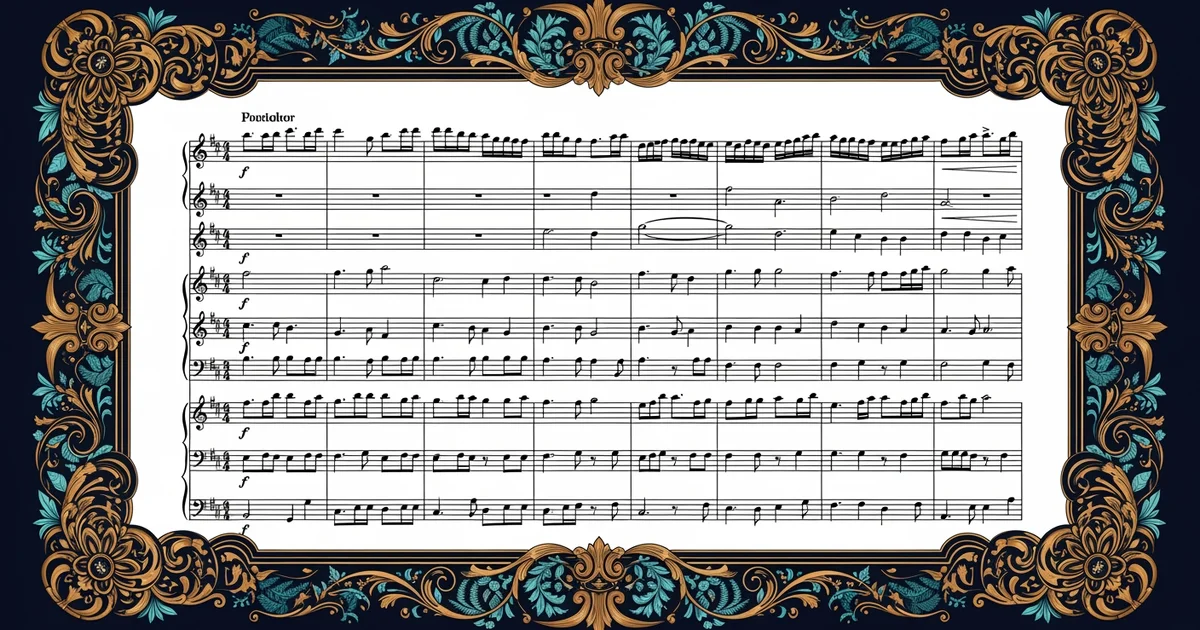
The Logic of Note Distribution
Proper voicing involves choosing the specific placement of notes within a chord to ensure clarity and balance. Think of this process like organizing a bookshelf in your living room for maximum efficiency. You place heavy, large books on the bottom shelf to provide a stable base for the entire structure. You put smaller, lighter items on the upper shelves so they remain visible and accessible to anyone walking by. Musical arrangements follow this same logic by placing deep, resonant tones in the lower registers to support the lighter, brighter melodies above them.
When you distribute notes across an ensemble, you must consider the natural range of each instrument involved. A tuba playing a high, thin note will sound strained, just as a flute playing a deep, growling note will lose its character. By assigning notes that fit the natural comfort zone of each instrument, you allow the entire ensemble to sound full without forcing any individual player to struggle. This careful allocation of musical energy creates a balanced sound that feels intentional rather than accidental or crowded.
Creating Balanced Chord Structures
Building a balanced chord requires more than just picking the right notes; it requires spacing them strategically. Spacing refers to the vertical distance between the notes within your chord structure. If you keep all your notes tightly clustered in the middle of the spectrum, the sound will lack the sparkle that comes from higher frequencies. If you spread them too far apart, you risk creating gaps in the harmony that make the music feel hollow or thin. The goal is to find a middle ground where the notes support each other while maintaining their own distinct identities.
To achieve this balance, consider these three essential techniques for managing your chord spacing:
- Close spacing keeps the notes within the range of a single octave, which creates a warm and intimate sound that works well for smaller groups like string quartets.
- Open spacing places the notes further apart across a wider range, which helps to clarify the harmony and allows each instrument to project its own unique tone quality clearly.
- Doubling notes involves playing the same pitch on two different instruments, which reinforces the importance of that specific note and adds a thicker texture to the overall sound.
When you use these techniques, you ensure that the listener hears the harmony as a cohesive unit. If you find that a section sounds cluttered, try moving one of the middle notes to a different instrument to create more room. This process of opening up the texture is often exactly what a piece needs to move from sounding like a messy wall of noise to a crisp, articulated arrangement. Every adjustment you make to the vertical stack of notes changes the emotional weight of the chord, so experiment with different combinations until you find the one that best suits your musical vision.
Effective voicing ensures that every instrument has a distinct role while contributing to a balanced and clear harmonic sound.
The next Station introduces rhythmic drive, which determines how these carefully voiced chords move through time to create momentum.