
Defining Musical Architecture
Imagine you are standing before a massive, unfinished blueprint for a towering stone cathedral. You see the grand vision of the architect, yet the workers need precise instructions to lay every individual brick. This scenario perfectly mirrors the creative tension between the person who dreams up a song and the person who builds it for the stage. Music requires both a clear vision and a set of detailed instructions to become reality. Without these two distinct roles, the most inspired melody would remain a simple idea that never reaches its full, powerful potential in a concert hall.
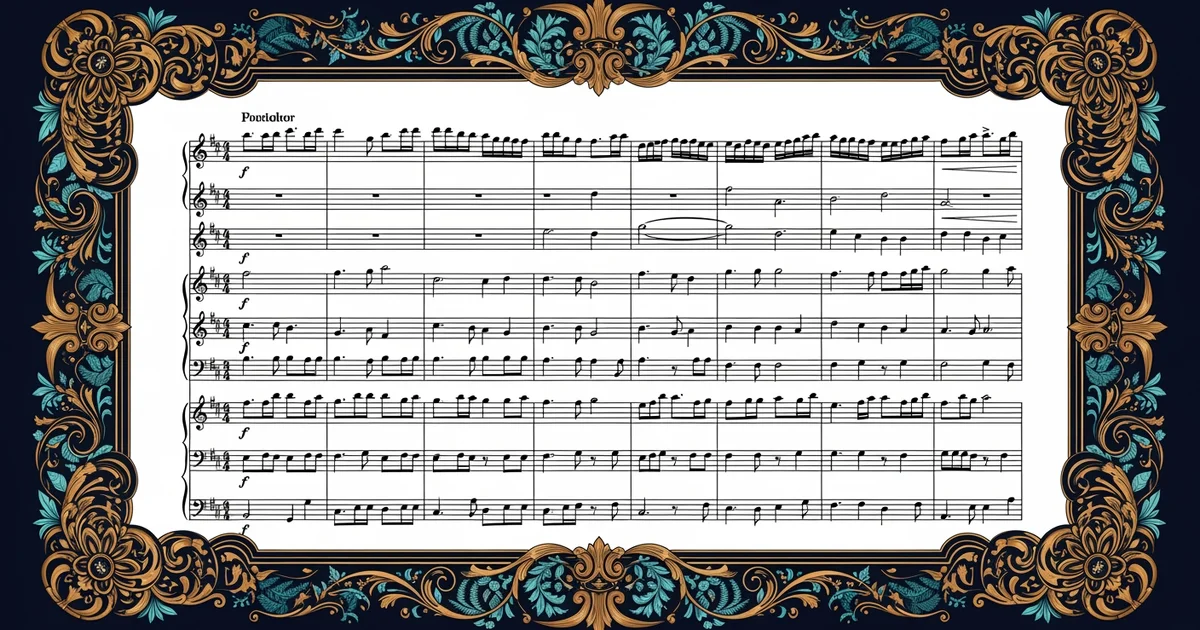
The Roles of Composition and Arrangement
When we discuss musical architecture, we must first distinguish between the two primary builders of sound. A composer acts as the primary architect who creates the initial melodic DNA of a piece. They decide on the fundamental themes, the emotional tone, and the basic structural flow of the music. Think of them as the person who draws the shape of the building and decides where the windows should go. They provide the core identity that makes a song recognizable, regardless of how it is performed or what instruments are used to play it.
An arranger takes that raw blueprint and determines exactly how the building will be constructed with specific materials. They look at the composer’s melody and decide which instruments should play each part during the performance. If a song is written for a piano, the arranger might decide to give the main theme to a violin while a cello provides the bass. They add layers of complexity, texture, and color that were not explicitly present in the original sketch. The arranger ensures the music sounds balanced and professional when played by a group of musicians.
Key term: Arrangement — the process of adapting a musical composition for a specific set of instruments or voices to create a complete performance.
To better understand how these roles function together, consider the following breakdown of tasks that separate the creative vision from the technical execution of a musical work:
- The composer writes the original melody and chord progression, establishing the emotional foundation that defines the song’s unique character and spirit.
- The arranger selects the specific instrumentation, deciding which players contribute to the texture and how those sounds blend together in a live space.
- The composer dictates the overall pacing and structural arc, ensuring the piece moves logically from the beginning through the middle to the final resolution.
- The arranger writes out the individual parts for each musician, providing the necessary guidance so that every performer knows exactly what to play and when.
Building Cohesion Through Orchestration
Beyond simple arrangement, we find the art of orchestration, which focuses on the science of sound balance. Orchestration is the specific choice of instrumental colors to achieve a desired mood or intensity level. If the composer creates the shape of the cathedral, the orchestrator decides if the walls should be made of granite, marble, or stained glass. They manage the volume, the frequency range, and the timbre of every section of the ensemble. Proper orchestration ensures that the melody remains clear and prominent while the supporting elements add depth rather than clutter.
| Role | Primary Task | Output Focus |
|---|---|---|
| Composer | Creating Themes | Emotional Identity |
| Arranger | Assigning Parts | Structural Logic |
| Orchestrator | Balancing Timbre | Sonic Clarity |
When these roles work in harmony, they transform a simple musical idea into a massive, cohesive experience for the audience. The composer supplies the soul, the arranger supplies the structure, and the orchestrator supplies the polish. By mastering these distinctions, you begin to understand how symphonic power is manufactured. You move from hearing a song as a single unit to hearing it as a complex, multi-layered machine built by experts. This journey through music theory will provide you with the tools to deconstruct any piece of music you encounter.
Musical architecture succeeds when the composer’s core vision is supported by the precise structural work of the arranger and the careful balance of the orchestrator.
By understanding these roles, you will soon learn how to manipulate the palette of sound to create your own complex musical textures.