
Brass and Woodwind Logic
When you listen to a symphony, the bright flash of a trumpet often cuts through the thick texture of the strings. This sudden shift in sound happens because brass and woodwind instruments operate on different physical principles than bowed string sections. Understanding these mechanical differences allows a composer to balance a massive ensemble without losing the delicate details of the melody.
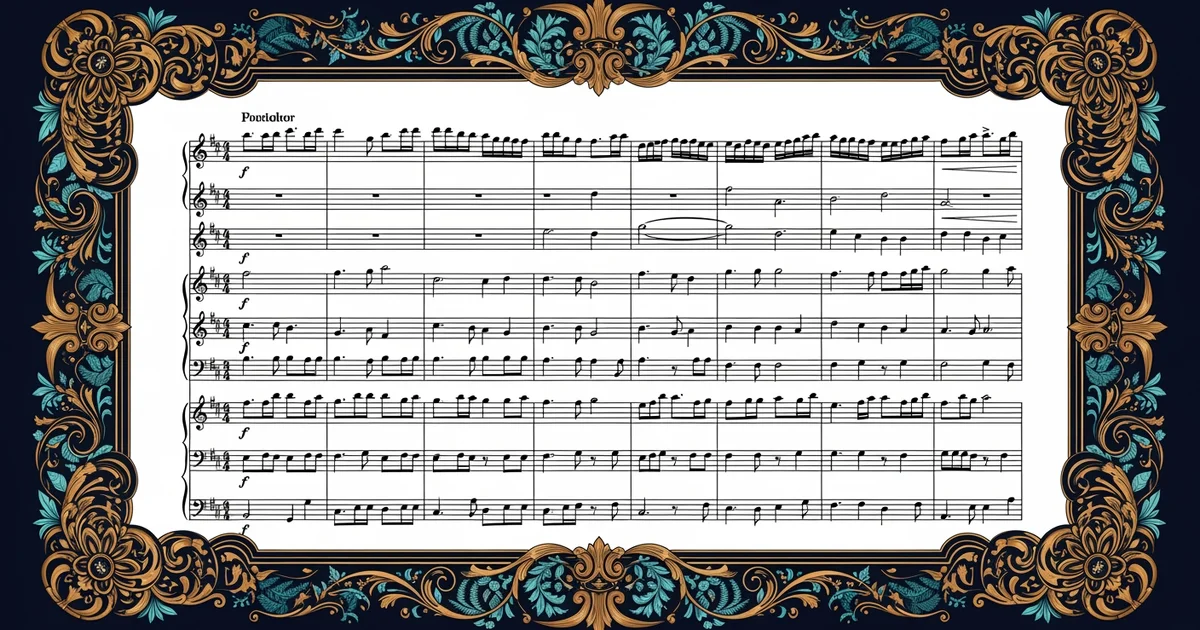
The Physics of Breath-Based Sound
Unlike strings that vibrate from tension, brass and woodwind instruments generate sound through the movement of air columns inside a tube. When a player forces air through a mouthpiece, the air vibrates at specific frequencies determined by the length of the instrument. Brass instruments use valves or slides to change this length, while woodwinds use keys to open and close holes along the body. Because brass instruments rely on the player's lips to vibrate against a metal cup, they produce a much higher volume and a more direct, directional sound wave. Woodwinds, by contrast, use reeds or sharp edges to split the air stream, resulting in a softer and more complex tone color. Think of brass instruments like a powerful spotlight that projects focused light across a stage, while woodwinds act like soft ambient lighting that fills the room with color. This difference in projection means that a single trumpet can easily overpower a group of four flutes if the composer does not carefully manage the number of players or the dynamic markings for each section.
Balancing Power and Texture
Effective orchestration requires you to manage the inherent volume differences between these two distinct families of instruments. If you place a loud brass section directly behind a quiet woodwind section, the brass will naturally mask the subtle nuances of the woodwinds. You must treat the ensemble like a carefully managed budget where you allocate your sonic resources to ensure every voice remains audible.
To manage this balance, you should follow these essential guidelines for arranging your musical sections:
- Dynamic layering requires that you assign lower volume levels to brass instruments when they play alongside woodwinds so the woodwinds can maintain their melodic clarity.
- Register selection involves placing woodwinds in their most resonant pitch ranges to help them cut through the thick sound produced by the brass section.
- Spatial separation ensures that you group instruments with similar projection patterns together to prevent one section from overwhelming the delicate tones of another.
Key term: Orchestration — the art of assigning specific musical lines to different instruments to create a balanced and meaningful sound within an ensemble.
When you arrange for these instruments, you must also consider the physical stamina required for each player. A brass player needs frequent rests because blowing into a mouthpiece requires significant lung pressure compared to the lighter breath flow needed for a flute. If you write long, continuous passages for brass, the players will eventually tire and their tone will lose its brilliance. Woodwinds generally have more flexibility for long, flowing melodic lines because their mechanics allow for more efficient air usage. By alternating these sections, you give the brass players time to recover while keeping the music moving forward with a variety of textures.
Integrating Wind and Brass Logic
| Instrument Family | Sound Source | Primary Volume | Best Use Case |
|---|---|---|---|
| Brass | Lip vibration | High / Focused | Fanfares and accents |
| Woodwind | Reed / Edge | Moderate / Soft | Melodic lines and color |
| Strings | Bow / Pluck | Variable | Sustained harmony |
This table shows how each group contributes to the overall symphonic experience through their unique mechanical properties. By choosing the right tool for the specific musical goal, you create a cohesive sound that feels intentional rather than accidental. Always listen for the natural balance of the room when you test your arrangements with live performers. The physical space will often change how these instruments interact, so be prepared to adjust your volume markings based on the venue. A good arrangement respects the physical limits of the performers while maximizing the unique qualities of their chosen instruments.
Effective orchestration relies on balancing the high-projection power of brass with the complex, softer textures of woodwinds through careful dynamic and register control.
But what does it look like when you add the rhythmic weight of percussion to this delicate balance?