
Percussion Integration
A sudden crash of cymbals can turn a quiet melody into a powerful, heart-pounding moment of pure musical drama. Without the right rhythmic support, even the most beautiful orchestral arrangement will feel empty or lacking in energy.
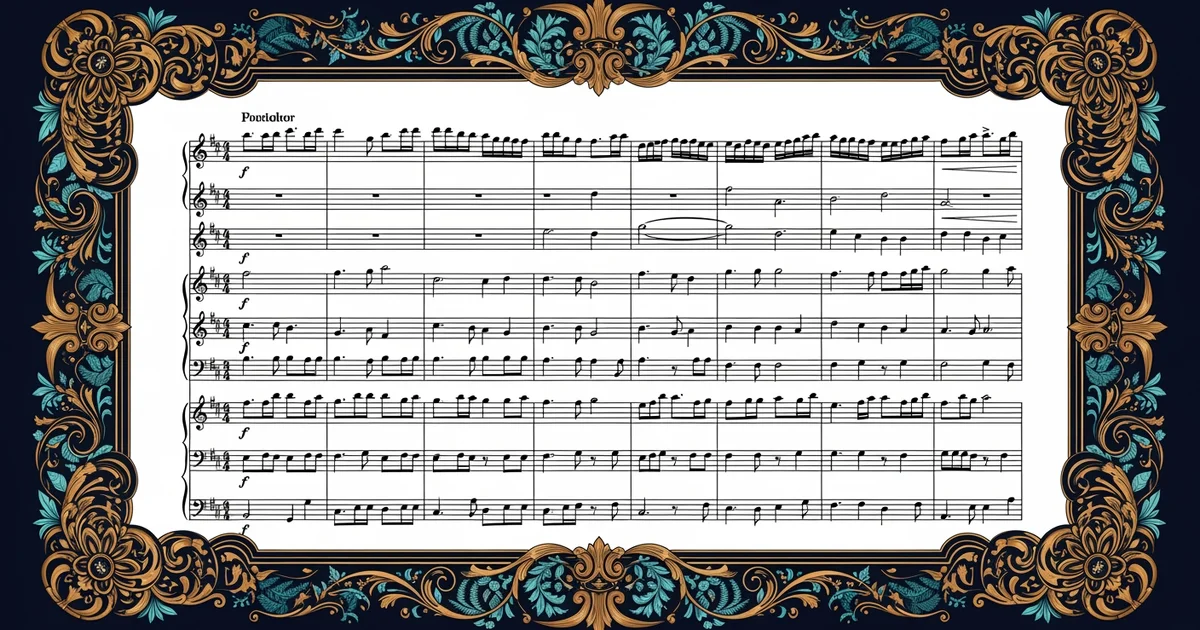
The Role of Percussion in Texture
Percussion instruments act as the heartbeat of an arrangement by providing constant motion and structural stability. When you add these instruments, you are effectively layering color onto a canvas that was previously only defined by pitch. Think of your arrangement as a house where the woodwinds and brass provide the sturdy walls and roof. The percussion section functions like the decorative paint and lighting that bring the space to life. Without this extra layer, the music might sound flat and lack the necessary punch to capture a listener's full attention. You must carefully balance these sounds to ensure they enhance the melody rather than burying it under too much noise. Percussionists use specific tools to control this texture, ranging from soft mallets for a gentle swell to hard sticks for a sharp, aggressive attack.
Key term: Orchestration — the art of assigning musical parts to different instruments to create a balanced and effective symphonic sound.
Integrating these sounds requires a deep understanding of how different materials interact with the surrounding air. When a drum skin vibrates, it creates a wide frequency range that can either fill gaps in the mix or cause unwanted muddiness. You should consider the decay of each note to ensure that one rhythm does not bleed into the next. A short, crisp note from a snare drum creates a sense of urgency, while a long roll on a timpani builds anticipation. These choices define the emotional impact of your music, making the difference between a forgettable passage and a memorable climax.
Dynamic Emphasis and Rhythmic Balance
Once you have established the base texture, you must focus on using percussion to highlight dynamic shifts within the score. You can use these instruments to signal changes in intensity, acting like a road sign that tells the listener where the music is heading. A well-placed accent at the start of a bar can force the audience to pay closer attention to a new melodic phrase. This technique is similar to how a business owner might use bright lighting to draw customers toward a specific display in a store. If you place your accents in the wrong spots, the listener will feel confused because the rhythmic emphasis does not match the melodic flow. You must always ensure that your percussion parts align with the natural phrasing of the woodwinds and brass sections.
To achieve this, consider the following methods for organizing your percussion parts:
- Use metallic instruments like triangles or cymbals to add a shimmering high-end sparkle that cuts through dense orchestral textures.
- Assign deep, resonant drums like the bass drum or timpani to anchor the low frequencies and provide a solid foundation for the entire ensemble.
- Incorporate auxiliary percussion like woodblocks or shakers to provide subtle rhythmic drive without overwhelming the delicate harmonic balance of the piece.
When you organize these elements, you create a cohesive soundscape that feels intentional and well-structured. Always remember that silence is just as important as sound when you are arranging percussion. Leaving space allows the listener to process the previous rhythm before the next one hits with full force. If you clutter the score with too many notes, you lose the clarity that makes percussion so effective in the first place.
Percussion provides the essential rhythmic color and structural weight needed to transform simple melodic ideas into a dynamic and immersive symphonic experience.
Now that you understand how to layer these rhythmic textures, we will look at how to refine the overall volume and intensity of your arrangement.