
Rhythmic Drive
A sudden shift in the beat often snaps a listener back to attention during a song. This energy surge comes from the clever use of rhythmic drive to push the music forward.
The Engine of Musical Momentum
When you listen to a powerful symphonic piece, you notice how the music feels like it is constantly moving toward a goal. This sensation of constant motion is known as rhythmic drive. Think of this drive like the pedals on a bicycle during a long, steady climb up a steep hill. If you stop pushing the pedals, the bike immediately slows down and eventually loses all its momentum. Similarly, music relies on a consistent pulse and well-placed accents to keep the listener engaged and moving through the composition. Without this internal energy, the melody would simply sit still, failing to connect with the audience or build any real excitement. By carefully placing rhythmic accents, you ensure that the musical story never stalls, keeping the audience locked into the journey you have created.
To achieve this, composers often use a technique called syncopation. This involves placing notes on the weak parts of a beat instead of the strong ones. By shifting the emphasis away from the expected pulse, you create a sense of surprise that forces the listener to lean in closer. It is much like a conversational rhythm where someone pauses unexpectedly before finishing a sentence, which naturally makes you pay more attention to their final words. This tension between the expected beat and the actual placement of notes creates a "push and pull" effect. This specific interaction is what gives a piece of music its unique character and keeps the energy levels high throughout the entire performance.
Building Energy Through Rhythmic Patterns
Creating effective patterns requires a balance between the steady pulse and the unexpected syncopated notes. You can use these patterns to guide the listener's focus across different sections of your arrangement. When you want to increase the intensity, you might add more syncopated hits in the percussion or brass sections. Conversely, you can create a calmer, more stable feel by sticking closer to the main downbeats for a short period. The following table illustrates how different rhythmic placements affect the perceived energy of a musical passage:
| Rhythmic Approach | Effect on Energy | Best Used For |
|---|---|---|
| Steady Downbeats | Predictable/Calm | Stable sections |
| Heavy Syncopation | High/Exciting | Climactic moments |
| Mixed Rhythms | Balanced/Flowing | Transitional parts |
By manipulating these variables, you gain total control over the emotional arc of your work. You are essentially acting as a guide, deciding exactly when the listener should feel relaxed and when they should feel the adrenaline of a fast-paced climax. This control is the secret to making a symphonic experience feel cohesive and intentional rather than just a collection of random sounds.
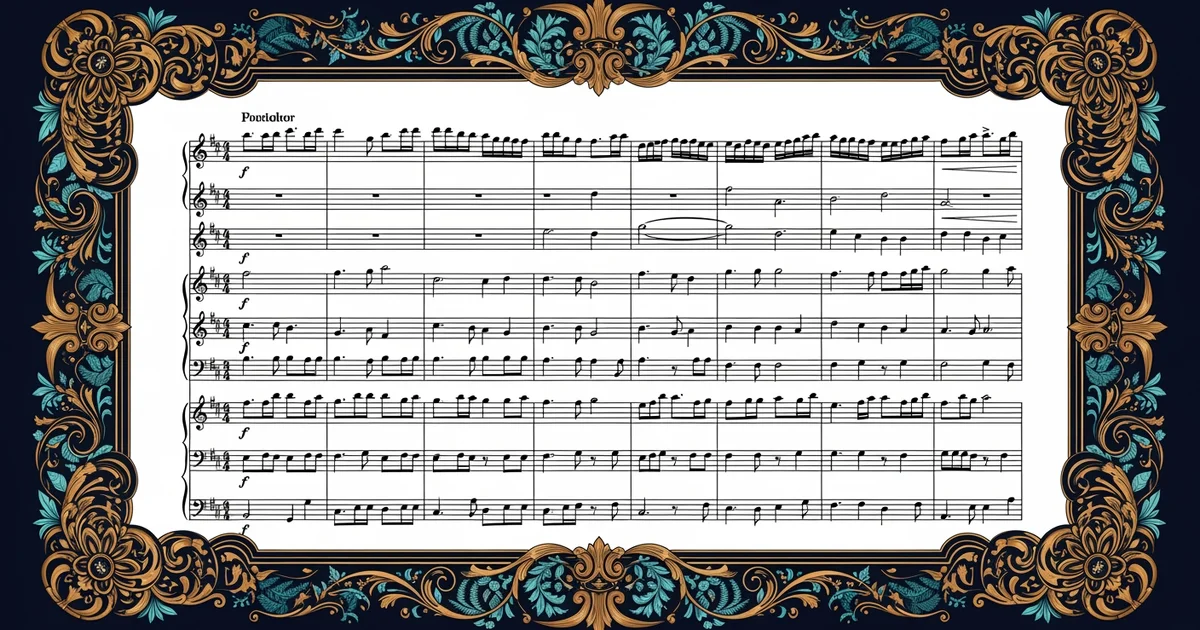
This sequence demonstrates how moving from a steady chord progression to a syncopated pattern changes the feel of the music. The first bar provides a solid, grounded pulse that the listener can easily follow. As you move into the second bar, the rests and off-beat placements create that sense of forward motion we discussed. Always remember that the goal is not to confuse the listener, but to provide a rhythmic "hook" that keeps them interested. If you provide too much syncopation, the music may lose its sense of pulse entirely, leaving the audience feeling lost rather than excited. You must maintain enough of the original beat so that the syncopated notes still feel like they belong within the larger structure. This delicate balance is what separates a chaotic arrangement from a truly professional and driving musical experience that holds attention from start to finish.
Mastering rhythmic drive requires balancing a steady, predictable pulse with strategic syncopation to keep the listener engaged and moving forward.
The next Station introduces counterpoint basics, which determines how independent melodic lines interact with the rhythmic drive you have established.