
Principles of Texture
Imagine you are building a house where the walls represent the layers of sound in a song. If you only build one wall, the structure stays simple and flat, but adding more walls creates rooms that define how the space feels. Music works in this exact same way through the use of musical texture, which describes how many layers of sound interact at one time. Understanding these layers helps you grasp how a single melody can transform into a rich, complex experience that fills a room or touches the heart. By balancing these layers, composers control the emotional weight of their work and guide the listener through different moods.
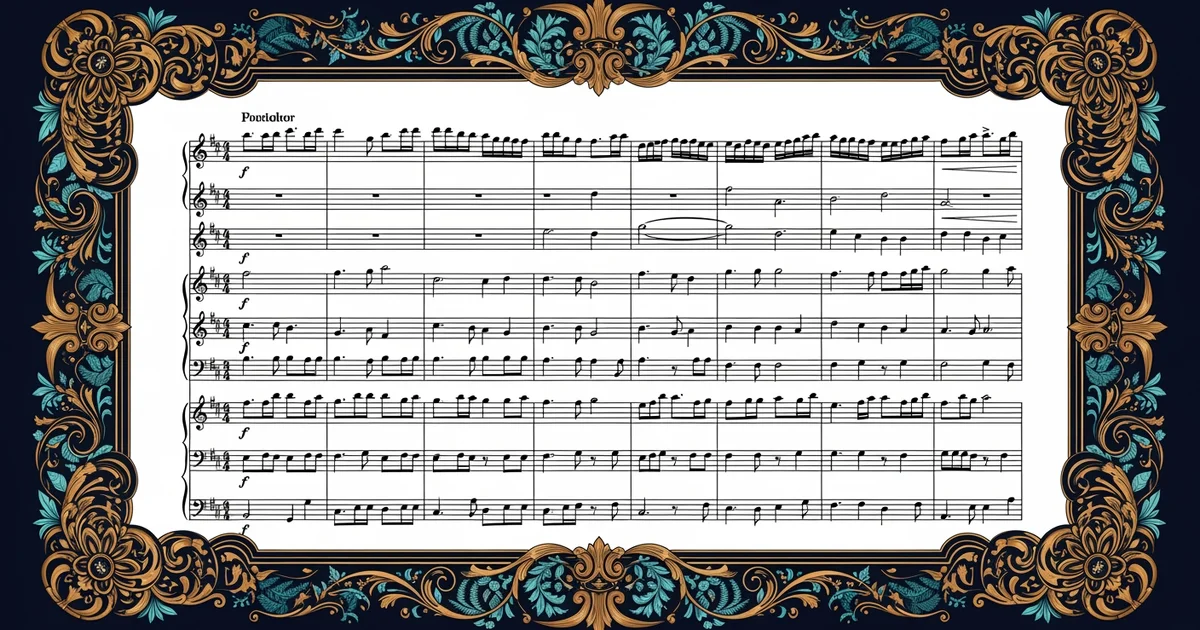
The Architecture of Sound Layers
When you listen to a piece of music, you can hear distinct elements like a melody, a bass line, or a steady rhythm. These individual parts function like the ingredients in a recipe, where the total flavor depends on how much of each item you include. A thin texture might feature only one voice or one instrument, which often creates a sense of intimacy or vulnerability for the listener. Conversely, a thick texture uses many instruments playing together, which generates a sense of grandeur, power, or overwhelming intensity. Think of this like an economic budget, where you must decide how to spend your limited space to get the most impact without creating clutter that hides your main theme.
Key term: Musical texture — the way various melodic, rhythmic, and harmonic layers combine in a composition to create the overall quality of the sound.
Density and Emotional Tension
The relationship between density and tension serves as a primary tool for every songwriter or composer aiming to create impact. High density occurs when many notes happen at once, which naturally increases the energy and perceived complexity of the music. When you increase the number of layers, you add tension that requires resolution, much like a suspenseful movie scene that keeps the audience waiting for a payoff. When you decrease the density, you provide the listener with a moment of rest, which allows the previous intensity to sink in before the music builds again. You can observe these changes in the way bands arrange their songs to keep audiences engaged over several minutes.
| Texture Type | Number of Layers | Emotional Effect | Best Use Case |
|---|---|---|---|
| Monophonic | Single layer | Focused, clear | Solo performances |
| Homophonic | Melody plus support | Balanced, familiar | Pop and folk songs |
| Polyphonic | Independent lines | Complex, active | Classical fugues |
To understand how these layers function in practice, consider how a simple melody changes when you add supporting parts. You might start with a solo line, then add a bass rhythm, and finally include harmony to fill the remaining space. This process of building layers is essential for creating a professional sound that feels complete and intentional to the listener. If you add too many layers without purpose, the music becomes muddy and loses its emotional focus, which makes the listener feel lost. By carefully selecting which layers to add or remove, you maintain control over the listener's journey from start to finish.
When you arrange music, you must treat every instrument as a vital part of the overall structure. Every player contributes to the density, so every note must have a clear reason for being there in the final mix. If you find that a section feels weak, you might increase the density by adding a new layer or by thickening the existing ones. If a section feels too busy, you must strip away unnecessary parts to let the most important melodies shine through clearly. This constant balancing act is the secret to making music that sounds powerful instead of just loud or chaotic.
The density of musical layers determines the emotional weight of a piece by controlling how much information the listener processes at any given moment.
Now that we understand how layers build texture, we will explore the rules of harmony that govern how these layers interact without clashing.