
Harmonic Foundations
Imagine you are building a house where the melody acts as the frame and the harmony acts as the walls. Without sturdy walls, the frame stands alone and feels empty, yet the right walls provide the structure that makes a house feel like a home.
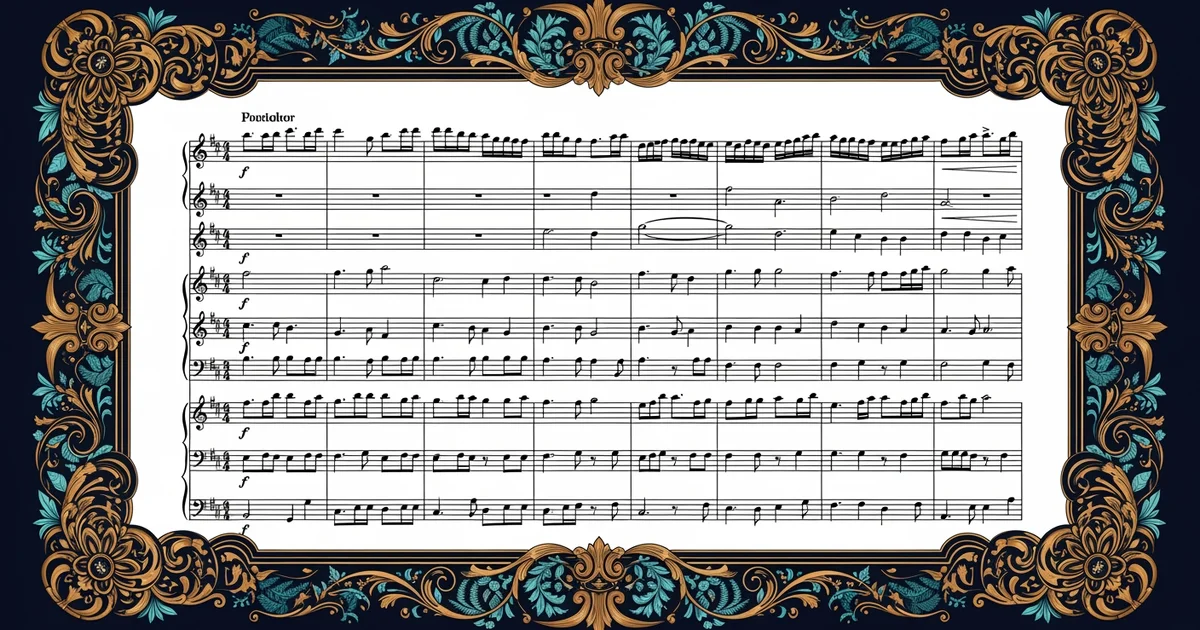
Understanding the Role of Harmony
When we talk about harmonic foundations, we describe how chords support a melody to create a sense of depth and purpose. A melody often sounds like a single line of thought, but harmony adds the context needed to understand that thought fully. Think of it like a conversation where one person speaks, and the other person nods to show they agree with the tone. When a composer chooses specific chords, they are essentially deciding the emotional color of the room where the music lives. If the chords are bright and stable, the room feels open and safe. If the chords are tense and dissonant, the room feels mysterious or urgent. You must learn to balance these choices to ensure your music carries the intended message to the listener. By layering notes together, you create a vertical stack that gives the horizontal melody a place to land. This process is not just about choosing random sounds, but about selecting notes that reinforce the key and mood of your piece.
Key term: Chord — a group of three or more notes played together to provide the harmonic support for a melody.
Building a strong foundation requires you to think about how chords move from one to the next in a logical path. This movement is often called a progression, which acts like a map for your listener. If you start on a chord that feels like home, you can travel to other chords to create tension before returning to the start. This cycle of tension and release is the heartbeat of most music you hear today. You should practice playing simple progressions to hear how each chord changes the feeling of the same melody.
Applying Harmonic Progressions
To apply these concepts, you must understand how to construct basic chords using the notes of your chosen scale. A common method involves stacking notes in thirds, which creates a stacked sound that feels balanced and pleasant to the human ear. You can think of this like stacking blocks of different sizes to create a stable tower. If you use the right notes from your scale, the tower stands tall without wobbling. If you pick random notes, the tower might look strange or fall over completely.
Here are three primary chord types that provide the most support for a standard melody:
- Major chords create a stable and happy sound by using a specific interval pattern that feels bright and open to most listeners.
- Minor chords offer a darker or more serious tone by lowering the middle note of a major chord to create contrast.
- Diminished chords provide a sense of extreme tension that demands a resolution, acting like a bridge that pulls the listener forward.
When you arrange these chords, you are essentially painting the background of your musical picture. A melody might be the main character in your story, but the chords provide the setting, the lighting, and the weather. If you want a sad scene, you might focus on minor chords to set a gloomy mood. If you want a heroic moment, you might use major chords to create a feeling of triumph and strength. This relationship between the melody and the harmony is the secret to making music that feels complete and professional. As you develop your skills, you will learn that even small changes in your chord choices can have a massive impact on the final result.
Harmonic foundations provide the essential structural support that transforms a simple melodic line into a rich and emotionally resonant musical experience.
The next Station introduces voicing techniques, which determines how you arrange the individual notes within your chords to create a more polished sound.