
Geothermal Energy Extraction
In 2012, the Hellisheidi power plant in Iceland began using volcanic heat to power homes by drilling deep into active tectonic zones. This is the practical application of the geothermal energy concepts introduced in Station 11, where we discussed how heat moves from the core toward the crust. Capturing this energy requires specialized systems that can survive the intense pressure and corrosive environment found miles below our feet. Engineers must design robust infrastructure to harvest this heat effectively without damaging the surrounding rock layers or the equipment itself. By tapping into these natural reservoirs, we convert the internal heat of the planet into electricity for modern cities.
Designing Systems for Thermal Capture
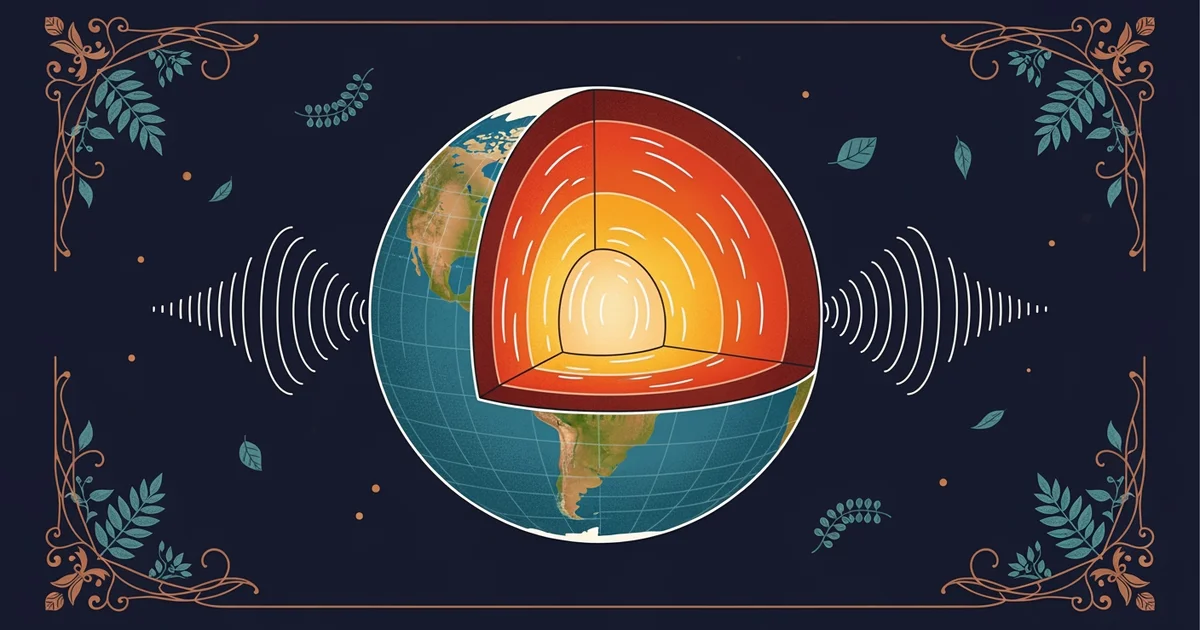
To move heat from the deep earth to the surface, engineers utilize a process known as geothermal energy extraction. This system functions much like a home radiator, where hot water circulates through pipes to warm a room, but here the heat source is the planet itself. We drill wells into permeable rock layers that trap naturally heated fluids, which then rise under pressure or are pumped to the surface. Once the fluid reaches the facility, it passes through a heat exchanger to generate steam, which turns large turbines to create electricity for the grid. This process requires precise control of flow rates to ensure the reservoir does not cool down too quickly, which would render the site useless for future energy generation.
Key term: Geothermal energy extraction — the technical process of capturing underground heat from hot water or steam to produce electricity.
Managing these systems demands careful monitoring of the underground environment to prevent long-term depletion of the thermal resource. If we extract energy faster than the earth can replenish the heat, the system eventually fails to produce enough power to justify the investment. Think of this like a bank account with a limited interest rate; if you withdraw more cash than the account earns in interest, the balance drops until the account is empty. Engineers must balance the output of the plant with the natural recharge rates of the geothermal reservoir to maintain a sustainable flow of energy over many decades of operation.
Infrastructure and Reservoir Maintenance
Successful extraction depends on the physical infrastructure designed to withstand extreme conditions at depth. The equipment must endure high temperatures that can soften steel and chemical compositions that cause rapid corrosion of metal pipes. To address these challenges, engineers install specialized casings and use corrosion-resistant alloys that maintain structural integrity despite the harsh chemical environment. Proper maintenance of these wells ensures that the plant continues to operate safely while maximizing the amount of energy captured from each borehole. The following table outlines the primary components required for a standard geothermal power station and their specific roles in the energy conversion process.
| Component | Primary Function | Operational Requirement |
|---|---|---|
| Production Well | Brings hot fluid up | High pressure tolerance |
| Heat Exchanger | Transfers thermal energy | Efficient heat conduction |
| Turbine | Converts steam to work | Precision blade rotation |
| Injection Well | Returns cooled fluid | Maintains reservoir pressure |
Maintaining the balance of the reservoir is just as important as the mechanical equipment used at the surface. By injecting the cooled water back into the ground, we help maintain the pressure levels needed to keep the system flowing efficiently. This closed-loop design prevents the ground from collapsing and keeps the thermal reservoir active for longer periods. These systems are carefully monitored by sensors that measure temperature changes, pressure drops, and chemical shifts within the deep rock layers. This constant feedback loop allows operators to adjust the extraction rate in real-time, ensuring the facility remains efficient while protecting the local geology from unnecessary stress or seismic disturbances.
Sustainable geothermal energy requires balancing the rate of heat extraction with the natural thermal recharge capacity of the underground reservoir.
But this model faces significant technical challenges when the reservoir is located in rock that lacks natural water flow or sufficient permeability.