
Mantle Convection Processes
Imagine a thick pot of soup heating on a stove where the bottom layer bubbles upward. This rising heat creates a constant cycle that moves the liquid throughout the entire large container. Our planet functions in a similar way because the deep interior acts like a massive thermal engine. We cannot see this motion directly, but it shapes the surface features of our world every single day.
The Mechanics of Mantle Movement
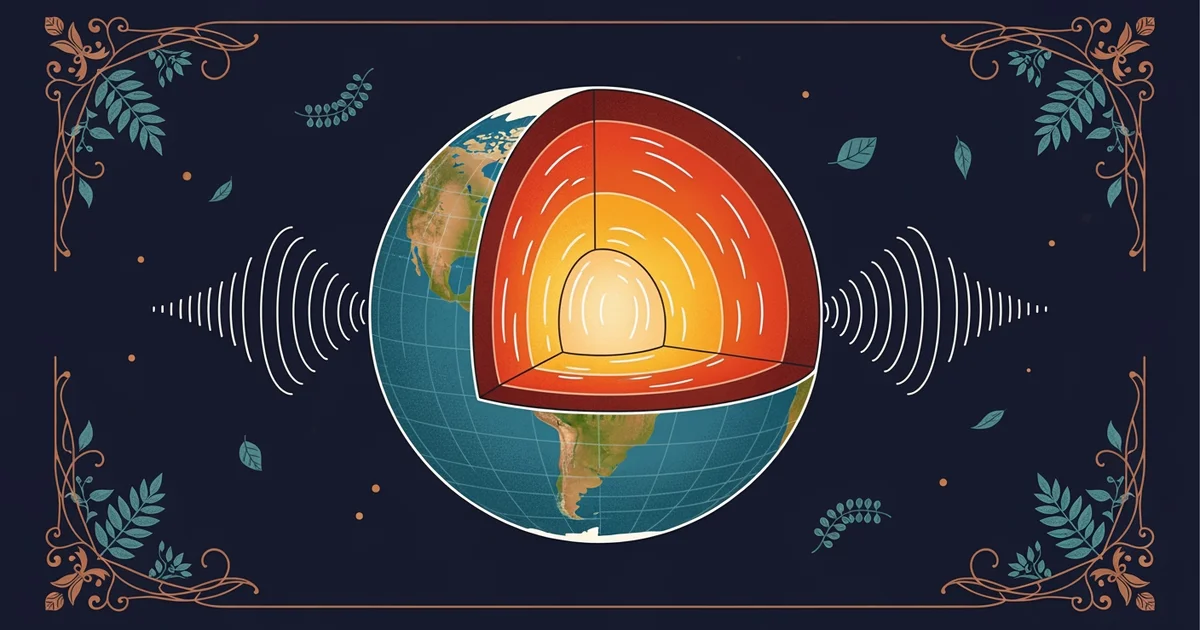
Deep beneath the solid crust lies the mantle, a thick layer of hot rock that behaves like a slow fluid. This layer remains solid enough to hold its shape but soft enough to flow over vast time scales. Heat from the core warms the lower mantle, causing the material to expand and lose density. Because this heated rock is lighter than the cooler rock above it, it begins a slow, steady rise toward the surface. This process is known as mantle convection, which acts as the primary driver for all movement within the Earth.
As the rising rock approaches the cooler crust, it eventually loses its heat and begins to sink back down. This creates a continuous loop where hot material ascends and cooler material descends into the depths. You can visualize this like a conveyor belt moving heavy loads across a factory floor in a loop. The mantle is not just a static layer of rock sitting under our feet, but a dynamic system in constant motion. This internal cycle is essential for redistributing the extreme heat generated by our planet's core.
Key term: Mantle convection — the process where heat moves through the Earth's interior via the slow, circular flow of viscous rock.
To understand how this flow influences the planet, consider the following characteristics of the mantle cycle:
- The rising plumes of hot rock carry thermal energy upward, which helps to maintain the temperature balance of the entire planet over billions of years.
- The cooling process at the top of the cycle causes the rock to become denser and heavier, forcing it to sink back toward the core.
- The friction created by this slow-moving rock exerts a powerful force on the rigid plates of the crust, pushing them apart or pulling them together.
Thermal Energy and Planetary Evolution
The energy driving this system comes from the decay of radioactive elements and leftover heat from the planet's birth. This internal heat must escape to the surface, and mantle convection serves as the primary mechanism for this heat transfer. Without this circulation, the Earth would be a geologically dead world with no tectonic activity or volcanic replenishment. The mantle acts as a massive thermal regulator, ensuring that the planet releases its internal energy in a controlled and steady manner.
| Feature | Description | Role in Convection |
|---|---|---|
| Core Heat | Source of energy | Drives the initial upward rise |
| Mantle Rock | Medium of flow | Transfers heat through physical movement |
| Crustal Plates | Surface layer | Responds to the underlying flow |
This table highlights how different layers interact to sustain the cycle that keeps our planet active. The core provides the fuel, the mantle acts as the transmission, and the crust represents the final output of this massive natural machine. When the mantle flows, it carries the crustal plates along with it, which leads to the formation of mountains and the opening of ocean basins. By studying these processes, we gain a clearer view of why the Earth remains a vibrant and changing environment.
The slow, circular movement of hot rock within the mantle acts as a thermal engine that redistributes the planet's internal heat and drives the motion of crustal plates.
The next Station introduces deep borehole challenges, which determine how we can directly measure the extreme conditions found within these moving layers.