
Seismic Tomography Techniques
Imagine trying to map the inside of a sealed wooden crate without opening it. You might tap on the sides and listen to how the sound travels through the box. Scientists use a similar logic when they study the deep interior of our planet Earth. We cannot drill deep enough to reach the core, so we must rely on vibrations. Seismic waves act like light passing through a prism to reveal hidden density variations inside. By measuring these waves, we create detailed images of the rock layers beneath our feet.
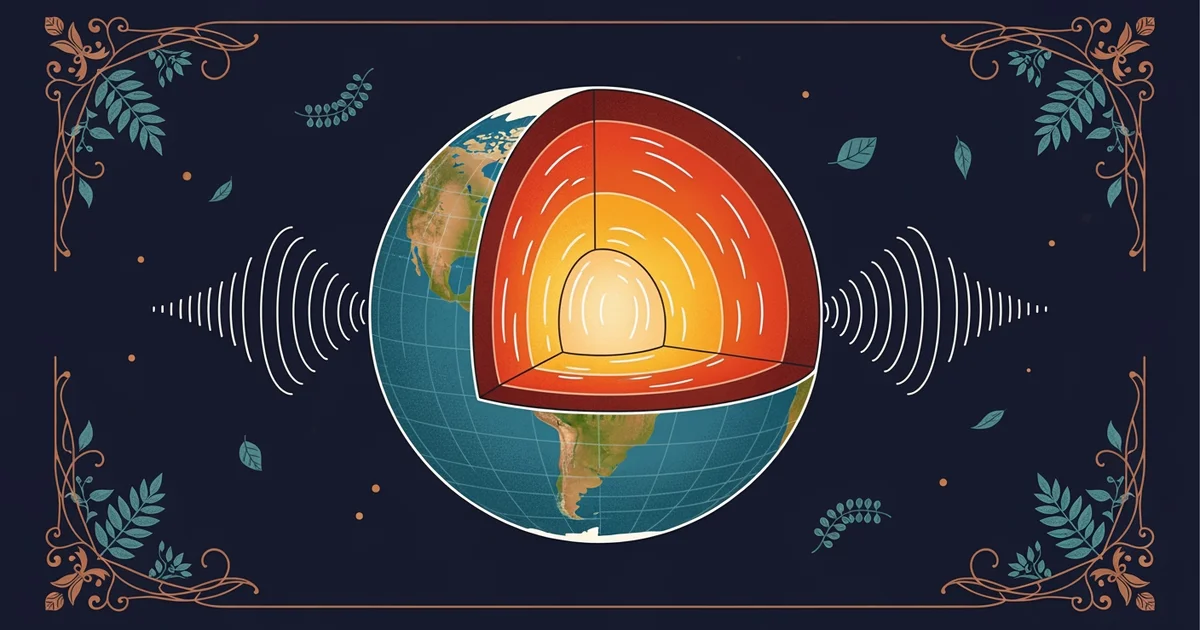
Understanding Seismic Tomography
When we talk about seismic tomography, we describe a method that maps the subsurface structure of Earth. This process works by measuring the speed of waves generated by earthquakes or controlled explosions. Waves travel faster through dense, cold rock and slower through hot, less dense materials. Think of this like driving a car through different types of terrain during a long road trip. You can maintain high speeds on smooth, paved highways but must slow down on bumpy dirt roads. The travel time of your vehicle tells you about the quality of the road surface. Similarly, seismic sensors record the arrival times of waves to map the hidden interior.
Key term: Seismic tomography — a technique that uses seismic wave data to create three-dimensional images of the Earth's internal structure.
Researchers collect data from a global network of sensors to track these waves over long distances. Each sensor acts as a tiny ear pressed against the ground listening for faint vibrations. When a large earthquake occurs, it sends energy through the entire planet like a ringing bell. These waves bounce off boundaries between layers and change speed based on the rock density. By compiling millions of these arrival times, computers build a complex model of the deep mantle. This model shows us where plumes of hot rock rise and where slabs of cold crust sink.
Interpreting Subsurface Density Models
Once we collect the data, we must interpret the variations in wave speed to understand the geology. We look for patterns that reveal the composition and temperature of the deep mantle rock. The process of building these models relies on several key factors that influence wave behavior:
- Velocity variations indicate that different rock types or temperatures exist within the mantle layers.
- Ray path coverage ensures that we have enough crossing lines to resolve small-scale features accurately.
- Inversion algorithms transform raw arrival time data into a visual map of the subsurface density.
These models allow us to see the internal "weather" of the planet on a massive scale. We can track the movement of tectonic plates as they dive into the deep interior. This movement mimics a slow-motion conveyor belt that recycles the surface crust over millions of years. Without these images, the interior would remain a complete mystery to our modern scientific community.
| Feature | Wave Speed | Physical Meaning | Density Level |
|---|---|---|---|
| Cold Slab | High | Subducting plate | High density |
| Hot Plume | Low | Rising heat flow | Low density |
| Mantle | Moderate | Solid rock flow | Medium density |
By comparing these features, we gain a better grasp of how heat moves from the core. This thermal energy drives the movement of continents and triggers volcanic activity on the surface. We are essentially using the planet's own tremors to reveal its internal engine and history. Every new seismic event adds more detail to our map of the deep Earth layers. We continue to refine these models as more sensors are placed across the globe.
Seismic tomography turns earthquake vibrations into visual maps that reveal the hidden density and temperature of Earth's internal layers.
But how does this internal movement of heat transfer energy to the surface of our planet?
Want this with sources you can check?
Premium Learning Paths for Earth Sciences & Geography are researched against open-access libraries — PubMed, arXiv, government databases, and more — with their distinctive claims cited to real sources and independently checked.
See what Premium includes