
Crustal Plate Dynamics
Imagine the surface of the planet as a giant, cracked eggshell resting upon a soft, flowing interior. While the ground feels solid beneath your feet, those massive rocky sections are actually sliding across the globe in a slow, constant dance. These segments represent the outer shell of the planet and they move in response to deep forces hidden from our view. Understanding this movement explains why mountains rise, volcanoes erupt, and earthquakes shake our world with such sudden, terrifying power.
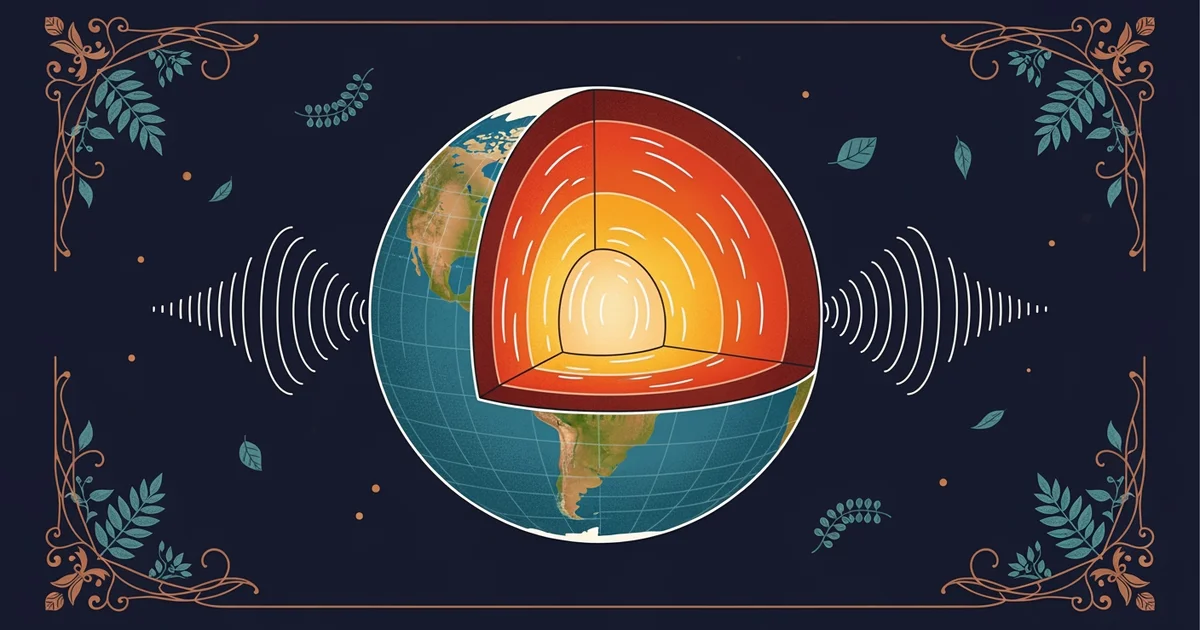
The Mechanics of Moving Plates
These massive, rigid slabs of rock are known as tectonic plates, and they cover the entire surface of our world like a complex, shifting puzzle. Because these plates float upon a semi-solid layer beneath them, they are never truly still even if we cannot feel the motion. Think of these plates like large cardboard boxes resting on a wet, slippery floor covered in thick soap. If you push the floor from underneath, the boxes will slide, collide, or drift apart depending on the direction of the force. This movement is not random but follows specific paths determined by the heat trapped deep inside the planet.
Key term: Tectonic plates — the large, rigid segments of the outer crust that move slowly over the planet's mantle.
When these giant slabs interact, the results depend entirely on how they meet at their edges. Some plates move away from each other, allowing hot material to rise and create new ground. Others crash directly into one another, forcing the rock to buckle and bend into massive mountain ranges. A third type of interaction happens when plates slide past each other horizontally, creating friction that builds up immense energy until it releases as an earthquake. Each interaction reshapes the surface of our home in ways that happen over millions of years.
Thermal Energy and Plate Motion
To understand why these plates move, we must look at the intense heat trapped deep within the earth. This thermal energy creates a cycle where hot material rises toward the crust and cooler material sinks back down. This process acts like a conveyor belt, dragging the plates along as the material beneath them shifts and flows. Without this constant internal heat, the plates would eventually stop moving, and the surface of our planet would become cold and still. The motion of the crust is simply a visible symptom of the planet trying to release its internal heat.
| Plate Interaction | Resulting Feature | Primary Action |
|---|---|---|
| Divergent | New seafloor | Moving apart |
| Convergent | Mountain ranges | Crashing into |
| Transform | Fault lines | Sliding past |
This table shows how the direction of plate movement dictates the physical features we see on the surface. When plates pull apart, they create space for new rock to form. When they push together, the massive force creates high peaks and deep trenches. When they slide past one another, they create jagged lines in the crust. These three simple types of movement are responsible for almost every major geological feature on our planet today.
- Divergent boundaries occur when plates move away from each other, allowing magma to rise and cool to form new crust that expands the ocean floor over time.
- Convergent boundaries form when two plates collide with great force, causing one to slide beneath the other or forcing both to rise upward into towering mountain ranges.
- Transform boundaries occur when two plates grind against each other sideways, creating intense friction that stores energy until it breaks through the rock in a sudden earthquake.
These processes ensure that the surface of the earth is never permanent but is always changing and recycling itself. The energy from the core keeps this cycle running, driving the geological engine that has shaped our world for billions of years. By studying these movements, we gain a better understanding of how the planet regulates its own temperature and structure.
The movement of crustal plates is a constant process driven by internal thermal energy that reshapes the surface of our planet over geologic time.
The next Station introduces mantle convection processes, which determine how that internal heat energy creates the force required to move these massive plates.