
Historical Drilling Attempts
Imagine trying to reach the bottom of a deep swimming pool while wearing a blindfold. You might touch the floor with a long pole, but you cannot truly see the shape of the tiles. Humans face this exact challenge when we try to explore the deep layers of our planet. We can only look at the surface, yet we want to know what exists miles beneath our feet. This desire to touch the center drives us to drill into the crust.
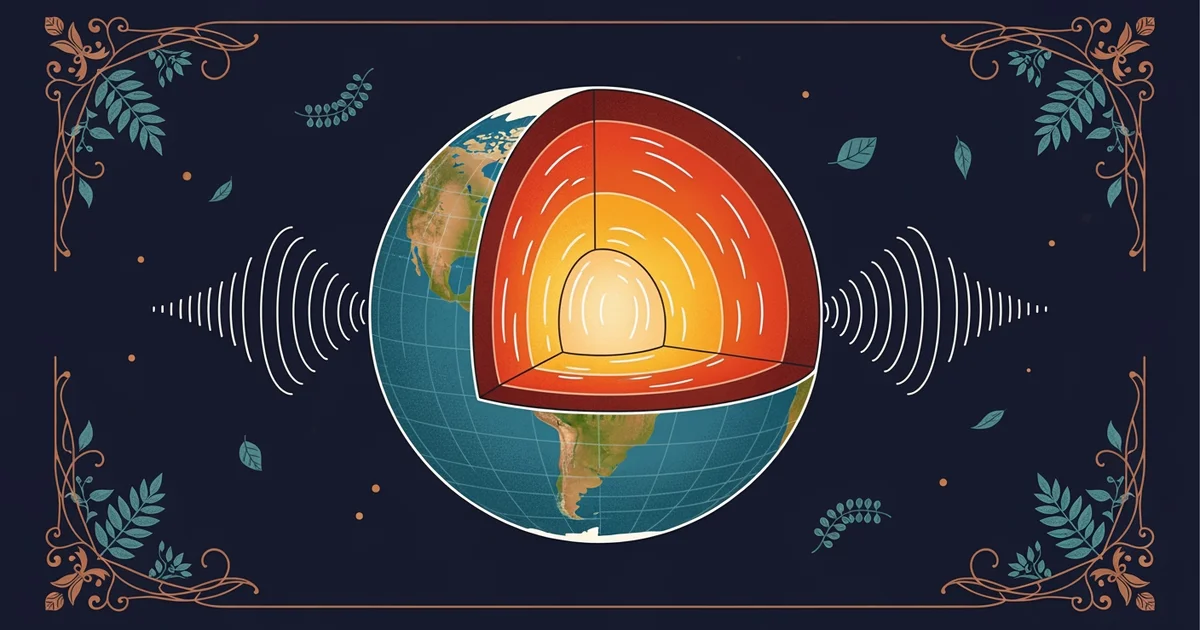
The Engineering Limits of Deep Drilling
When we start a drilling project, we rely on heavy machinery to cut through solid rock. Think of this process like trying to use a thin, flexible straw to drill through a thick block of concrete. As the drill bit goes deeper, the weight of the pipe becomes massive and difficult to manage. The heat at these extreme depths also causes metal tools to soften and fail quickly. We must stop often to swap out worn parts, which slows down our progress significantly. Drilling deep into the Earth is not just about power, but about managing extreme pressure and heat.
Key term: Crust — the thin, solid outer layer of our planet that serves as the starting point for all human drilling efforts.
Even with our best technology, we face physical barriers that stop us from reaching the mantle. The rock at great depths behaves like warm plastic because of the intense pressure from above. This makes the borehole collapse inward, trapping our equipment and forcing us to abandon the project entirely. We have spent decades trying to overcome these mechanical failures, but the Earth remains a difficult place to penetrate. Our current success is limited to the very top section of the outer shell.
Historical Attempts and Their Lessons
Several major projects have attempted to reach record depths, providing us with data about the subsurface. These efforts show that we are still in the early stages of exploring our own world. We can compare these projects by looking at their final depth and the main goal of each mission:
| Project Name | Final Depth | Primary Goal |
|---|---|---|
| Kola Superdeep | 12,262 meters | Science research |
| Bertha Rogers | 9,583 meters | Natural gas search |
| KTB Superdeep | 9,101 meters | Crustal study |
These projects taught us that the deeper we go, the more unpredictable the rock becomes. We found that the crust is far more complex than we originally thought based on surface samples. The following list highlights the core challenges that stopped these historical attempts from going even deeper:
- The extreme heat at these depths destroys the sensitive sensors needed to monitor the drilling process, making it impossible to see what happens below.
- The high pressure causes the rock walls to flow like thick liquid, which pinches the drill pipe and prevents it from moving further down.
- The cost of maintaining a stable hole at record depths becomes too high for governments to support, leading to the cancellation of many scientific goals.
Each failed attempt acts as a lesson for future engineers who want to reach the mantle. We now understand that we need better materials that can withstand high heat and crushing forces. Without these new tools, we are restricted to the shallow surface layers of the crust. We continue to improve our designs, but the path to the center remains blocked by the physical nature of the planet itself. Studying these past failures allows us to refine our approach for the next generation of deep exploration.
Humanity remains limited to the outermost shell of the Earth because current tools cannot survive the intense heat and crushing pressure found deep underground.
Understanding the physical limits of our drills helps us transition to studying the planet through the indirect method of seismic wave analysis.