
Deep Borehole Challenges
Imagine trying to drill a hole through a thick concrete floor using only a straw. You would quickly find that the straw bends, breaks, or clogs before you even make a dent in the surface. Scientists face a similar problem when they attempt to drill deep into the Earth to collect samples from the crust and mantle. The deeper they go, the more the surrounding environment fights back against the machinery.
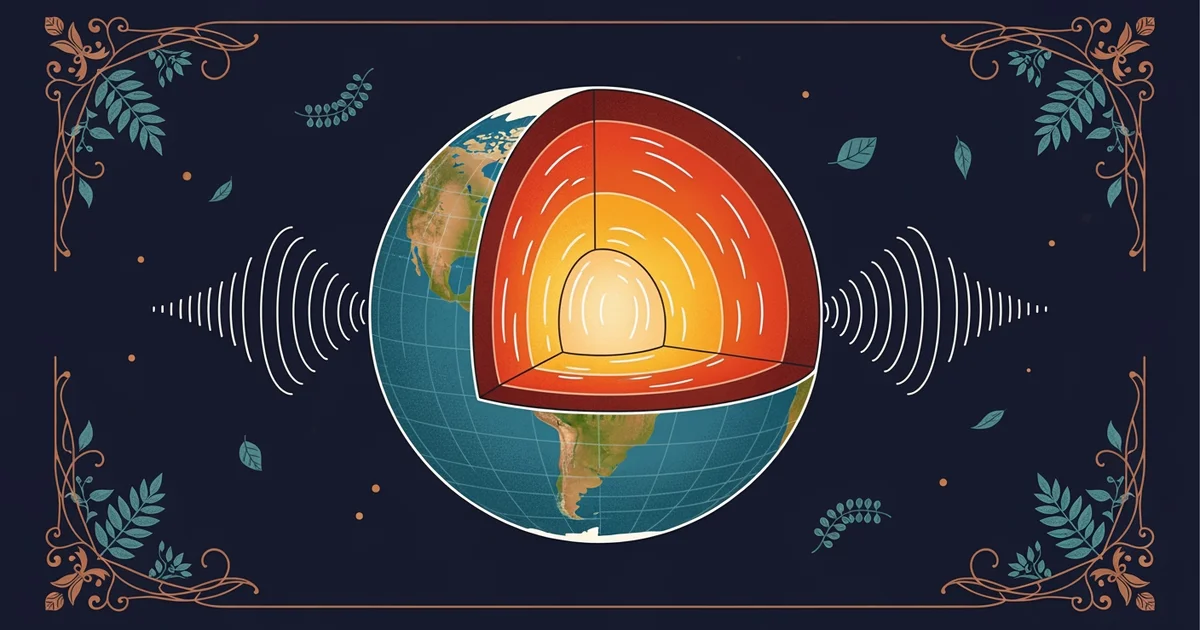
The Engineering Barriers to Deep Drilling
When engineers plan a deep borehole, they must account for the extreme conditions found miles beneath our feet. The first major hurdle involves the incredible heat that builds up as you descend into the crust. As the drill bit moves deeper, the surrounding rock temperature rises sharply, which can melt or deform standard metal equipment. Engineers must design specialized cooling systems that circulate fluids to keep the drill bit from failing under the intense thermal pressure. Without these cooling mechanisms, the machinery would seize up almost immediately, rendering the entire operation useless and wasting millions of dollars.
Key term: Lithostatic pressure — the immense crushing weight exerted by overlying rock layers on materials located deep within the Earth.
Beyond heat, the immense weight of the rock above creates a force known as lithostatic pressure. Think of this like the pressure you feel at the bottom of a deep swimming pool, but instead of water, you have miles of dense, heavy rock pressing down from every side. This crushing force can cause the walls of the borehole to collapse inward, which traps the drill string and makes it impossible to retrieve. To prevent this, crews must pump heavy, pressurized mud into the hole to act as a temporary support structure. This mud pushes back against the rock walls, keeping the path open while also carrying away the broken debris created by the spinning drill bit.
Managing Hazards in the Deep Crust
Drilling into the unknown requires careful planning to manage the physical hazards that can destroy expensive equipment. The following list highlights the primary challenges that engineers must overcome to maintain a stable borehole:
- Thermal degradation occurs when extreme temperatures weaken the metal alloys of the drill string, forcing engineers to use expensive heat-resistant materials that can survive the intense geothermal heat found at great depths.
- Borehole instability happens when high pressure causes the surrounding rock to shift or flow into the open space, which necessitates the constant use of heavy drilling fluids to maintain structural integrity.
- Equipment fatigue develops over time because the long, thin drill string vibrates and twists under the weight of the miles of pipe, leading to potential snapping that leaves expensive tools stranded in the crust.
To manage these risks, engineers often use a modular approach to drilling. They start with a wide diameter and gradually narrow the hole as they go deeper, lining the walls with steel casings to provide extra strength. This process is much like building a skyscraper, where the foundation must be wide and sturdy to support the immense weight above it. If the casing fails at any point, the entire borehole can be lost, forcing the team to start over from the very beginning. This high-stakes environment requires constant monitoring of sensors that track temperature, pressure, and vibrations in real time to prevent a catastrophic failure of the drill string.
| Challenge | Primary Effect | Mitigation Strategy |
|---|---|---|
| Thermal Heat | Metal softening | Cooling fluid circulation |
| High Pressure | Wall collapse | Pressurized mud support |
| Pipe Vibration | Metal fatigue | Specialized alloy casing |
By carefully balancing these forces, scientists can reach deeper than ever before to unlock the secrets of our planet. This requires constant innovation in material science and mechanical engineering to ensure that the tools can withstand the harsh reality of the deep Earth. Each successful meter drilled provides a new data point, helping us understand the composition and history of the layers hidden beneath our feet. While the costs are high and the risks are significant, the knowledge gained from these deep explorations remains essential for understanding how our planet functions on a global scale.
Deep borehole exploration requires managing extreme heat and pressure through specialized cooling fluids and structural support systems to prevent equipment failure.
The next Station introduces wave reflection principles, which determine how seismic energy travels through the different layers of the Earth.