
Adapting Genres
When the band Vitamin String Quartet reimagines a modern pop hit for a classical ensemble, they are not just copying notes. They are performing an act of translation that requires deep skill in genre adaptation. This process mirrors how an architect might convert a wooden cabin blueprint into a steel skyscraper design. The core structure remains, but the materials must change to support the new weight and aesthetic. In 2014, when the BBC Concert Orchestra performed a symphonic version of a dance track, they demonstrated the exact principles of translation we discussed in Station 12 regarding score formatting. Adapting a song for different instruments requires you to look past the original sound to find the underlying musical skeleton.
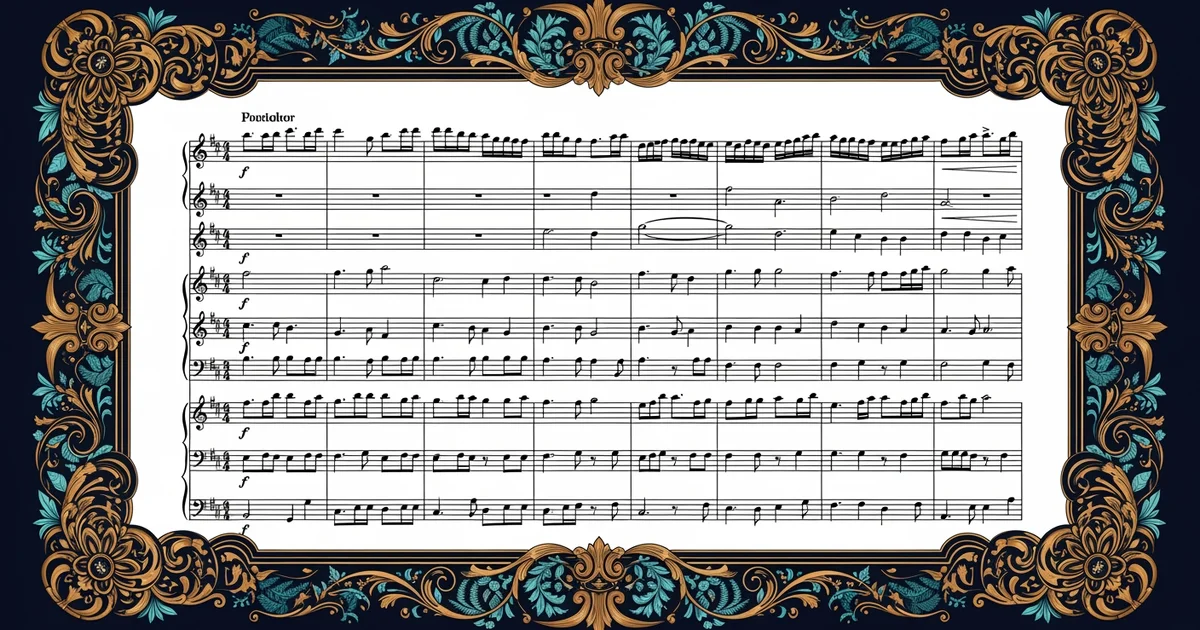
Translating Rhythmic and Harmonic Foundations
To begin the adaptation process, you must first identify the essential elements of the original track. Pop music often relies on repetitive electronic loops, while classical ensembles thrive on dynamic shifts and acoustic resonance. You cannot simply hand a violin the part of a synthesizer and expect it to work. Instead, you must map the rhythm to the bowing patterns of the string section. If the original uses a heavy bass drum, you might assign that pulse to the cello or double bass. This creates a foundation that maintains the original energy while utilizing the unique timbre of the new instruments. You are essentially moving the musical weight from digital samples to physical vibrating strings.
Key term: Genre adaptation — the technical practice of reconfiguring a musical composition to fit the instrumentation, stylistic norms, and performance expectations of a different musical tradition.
When you translate these ideas, you must also consider the harmonic space of the ensemble. A pop song might use a four-chord loop that stays static for four minutes. A classical arrangement, however, benefits from varying the texture to keep the listener engaged. You might start the arrangement with just a solo viola before adding more layers. This gradual build mimics the way a producer might bring in new tracks during a song mix. By changing the density of the sound, you transform a flat digital loop into a living, breathing performance. This is the art of balancing the original intent with the strengths of your chosen performers.
Managing Instrumental Constraints and Capabilities
Every instrument has physical limitations that you must respect during the adaptation phase. A piano can play ten notes at once, but a flute can only play one note at a time. If you are arranging a piano-heavy pop ballad for a wind quintet, you must split the chords among the five players. This requires careful voice leading to ensure each player has a melodic and comfortable part. You are creating a new map for the same destination. If you force an instrument to play outside its natural range, the result will sound strained and unnatural. Always prioritize the natural sound of the instrument over a literal interpretation of the original recording.
To effectively distribute parts, use a structured approach to your arrangement process:
- Analyze the original song to isolate the melody, the bass line, and the supporting harmonic filler parts.
- Assign the lead melody to an instrument that matches the vocal range and emotional character of the singer.
- Distribute the harmonic chords across the middle voices to create a rich and balanced vertical stack of sound.
- Write the bass line for the lowest instruments to provide a solid foundation for the entire ensemble arrangement.
- Add decorative flourishes or counter-melodies to fill gaps where the original track might feel too empty or quiet.
By following these steps, you ensure that no instrument is left with a boring or impossible part to play. The goal is to make the arrangement feel like it was written for the ensemble from the start. Listeners should recognize the song immediately, but they should also feel the unique character of the classical instruments. This balance is the hallmark of a successful musical adaptation. It requires you to be both a faithful listener and a creative composer at the same time. You are honoring the original work while giving it a completely new life in a different setting.
Successful genre adaptation requires translating the structural essence of a piece while respecting the physical limitations and unique timbral characteristics of the new ensemble.
But this translation process becomes much more complex when you must decide which elements to prioritize for your final project planning.