
Macromolecule Homeostasis
Imagine a bustling city that never sleeps, where thousands of workers must constantly balance their supply levels to keep the lights on and the streets clean. Inside every living cell, your body performs this exact balancing act by managing the delicate levels of essential molecules. This process, known as homeostasis, ensures that internal conditions remain stable even when the external environment changes rapidly. Your cells rely on a continuous flow of building blocks to maintain their structure, repair damage, and fuel every vital function. Without this precise regulation, the complex machinery of life would quickly grind to a halt under the pressure of constant metabolic demands.
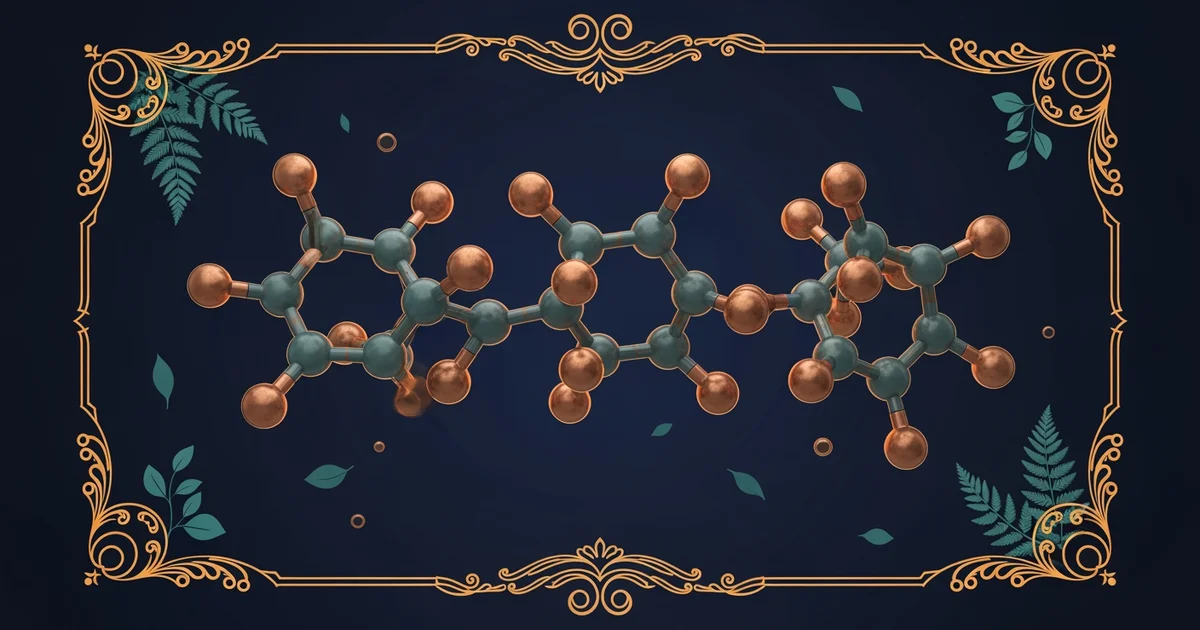
The Molecular Balancing Act
To keep the cell running smoothly, the body manages four main groups of macromolecules that act like specialized departments in a city. Carbohydrates serve as the primary energy currency, providing the immediate fuel needed for cellular operations. Proteins act as the construction workers and machinery, carrying out the physical labor required to build cellular components and catalyze reactions. Lipids function as the vital infrastructure, forming the protective membranes that shield the cell from its surroundings. Finally, nucleic acids act as the master archives, storing the blueprints required to build and repair every other part of the cell. These four groups interact in a tightly woven network, ensuring that the cell does not run out of resources or accumulate dangerous waste products.
Key term: Macromolecule Homeostasis — the dynamic process by which cells maintain a stable internal environment by regulating the synthesis, breakdown, and interaction of biological molecules.
Think of this system like a massive warehouse inventory manager who must decide when to order more stock or clear out old supplies. If the warehouse gets too full of one item, like excess sugar, the manager must trigger a process to convert that sugar into a storable form for later use. If a critical part like a protein breaks down, the manager must pull the blueprints from the archives to build a replacement immediately. This constant cycle of building and breaking down, known as metabolism, is the engine that drives your body. By balancing these supplies, the cell avoids the chaos of resource scarcity or the clutter of accumulated waste.
Integrating Cellular Maintenance
Cells maintain this balance by using feedback loops that monitor the concentration of these critical macromolecules. When a specific molecule like a protein drops below a required level, the cell triggers a signal to synthesize more from available amino acids. This synthesis requires energy from carbohydrates, linking the two systems in a tight, cooperative relationship. The following table illustrates how these macromolecules support the overall stability of the cell:
| Macromolecule | Primary Role | Homeostatic Contribution | Maintenance Task |
|---|---|---|---|
| Carbohydrates | Energy Supply | Fueling repair cycles | Powering synthesis |
| Proteins | Structural Work | Building new tissues | Catalyzing reactions |
| Lipids | Barrier Control | Maintaining cell walls | Regulating transport |
| Nucleic Acids | Information | Storing repair codes | Managing blueprints |
These components do not function in isolation, as the health of one often depends on the availability of another. For instance, the cell cannot build new proteins without the instructions stored in nucleic acids, and it cannot power that construction without energy from carbohydrates. This interdependence creates a robust system where the failure of one part is often mitigated by the rapid response of others. By constantly monitoring these levels, your body ensures that you remain healthy and functional despite the many challenges of daily existence. The tiny molecular building blocks discussed in our first station truly form the foundation for these massive, life-sustaining systems.
Homeostasis is the active, energy-driven process of balancing the synthesis and degradation of macromolecules to keep cellular functions within a healthy range.
The next step in our journey will explore how future biochemical technologies might allow us to monitor and improve these delicate homeostatic processes.