
Chemical Bond Energy
Imagine you are holding a tightly coiled metal spring that wants to snap open. This physical tension is quite similar to how atoms store energy within their chemical bonds. When two atoms share electrons to form a stable connection, they create a reservoir of potential energy. This energy acts like a hidden battery that powers every biological process in your body. If you break these bonds, the stored energy releases to perform work for your cells. Understanding this process is the key to seeing how your body fuels its daily activities.
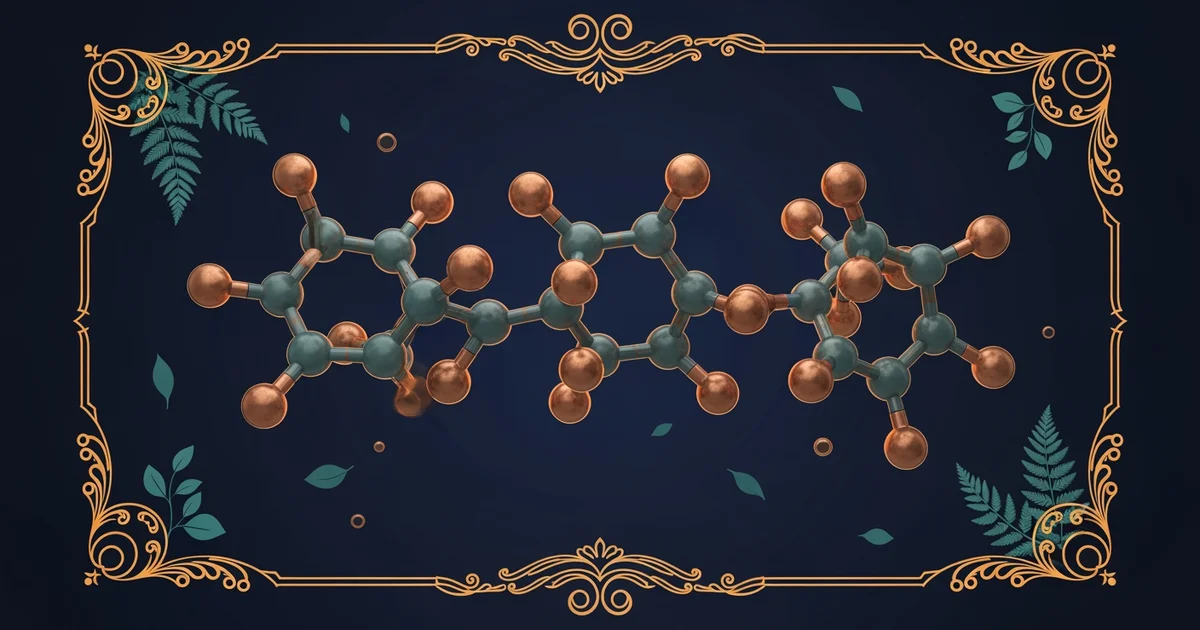
The Nature of Covalent Bonding
Atoms achieve stability by sharing electrons in a process we call covalent bonding. Think of this like two friends sharing a single sandwich to survive a long hike. By keeping the electrons in the space between their nuclei, both atoms feel more complete. This shared electron pair acts like a strong glue holding the two atoms together. The strength of this glue depends on how well the atoms share their electrons. If the atoms share electrons equally, the bond remains very stable and secure. This stability is the foundation for the complex molecules that build your tissues.
Key term: Covalent bonding — the stable sharing of electron pairs between two atoms to achieve a lower energy state.
Energy storage relates directly to the stability of these chemical bonds within the molecule. A very stable bond holds onto its electrons tightly and requires significant energy to break. Conversely, a less stable bond releases energy more easily when it encounters another reactant. Your body prefers to use specific types of bonds for energy storage and release. These bonds allow for the controlled transfer of energy during your metabolism. Without this precise control, your cells would release all their energy at once. Such an event would cause damage rather than providing useful power for your growth.
Energy Dynamics in Molecular Structures
When we look at how molecules store energy, we must consider the bond type. Stronger bonds store more potential energy because they require more force to pull apart. Imagine an economic trade where you invest money into a high-yield savings account. You lock your capital away securely until you need it for a major purchase. Chemical bonds function in the same way by locking energy into a stable configuration. When your body needs fuel, it breaks these bonds to release the stored value. This process powers your muscles and keeps your brain functioning throughout the day.
| Bond Type | Stability Level | Relative Energy |
|---|---|---|
| Single | Moderate | Lower |
| Double | High | Higher |
| Triple | Very High | Highest |
We can observe these energy differences by looking at how different molecules react together. The following list highlights how bonding affects the energy available for your cells:
- Carbon-carbon bonds provide a reliable energy source because they are stable yet breakable.
- Oxygen-oxygen bonds are often unstable and release energy rapidly when they form new connections.
- Hydrogen-oxygen bonds are extremely stable and represent a low-energy state for many organic systems.
These patterns dictate how your cells choose which molecules to burn for fuel. By breaking down high-energy bonds in sugar, your body captures the released energy efficiently. It then stores this energy in smaller, more portable molecules for later use. This system ensures that you always have a steady supply of power available. You are essentially a complex machine that runs on the energy stored in bonds. Every movement you make is a result of these tiny chemical transactions occurring constantly.
Chemical bond energy represents the stored potential within the shared electrons that hold atoms together.
As we move forward, we will explore how these energy principles allow carbohydrates to serve as the primary fuel for life.