
Molecular Building Blocks
Imagine you are building an elaborate castle out of tiny, interlocking plastic bricks. Each single brick represents a simple unit, but when you snap many of them together, they form a massive, complex structure that can stand on its own. Living things operate in exactly this same way by using small chemical units to build the intricate machinery of life. These tiny components are the fundamental pieces that allow cells to function, grow, and repair themselves every single day.
The Nature of Molecular Units
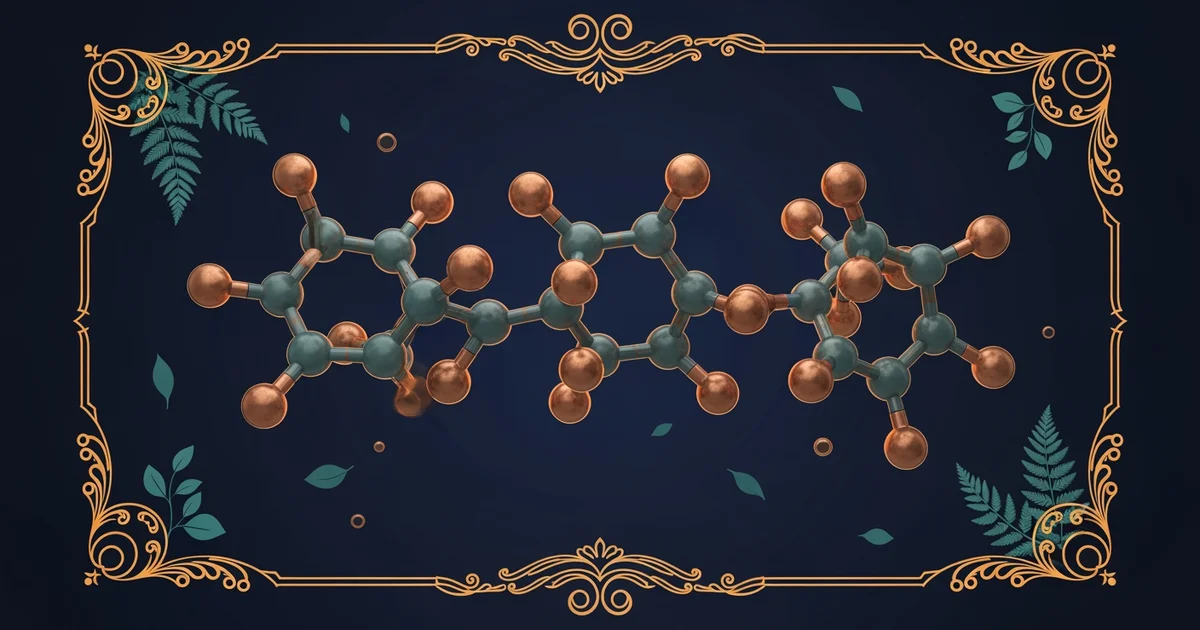
When scientists look at the chemical makeup of life, they often find small, repeating units known as monomers. These small molecules act like individual letters in an alphabet, which possess little meaning on their own when they exist in isolation. However, these units have specific chemical shapes that allow them to link together with other similar units through strong bonds. This bonding process creates a long chain that can be folded into complex shapes, which then perform specific tasks within the body. You can think of this process like buying individual ingredients at a grocery store, where each item is useful but only becomes a meal after you combine them in a specific way.
Key term: Monomer — a simple, small molecule that can join together with other similar molecules to form larger, more complex structures.
Because these units are versatile, they serve as the universal starting point for almost every biological process found in nature. When these units link up, they form a larger structure called a polymer, which is essentially a long, repeating chain of these smaller building blocks. This transition from a single unit to a long chain is how nature creates the diverse materials needed for life, such as the proteins that build your muscles or the genetic material that stores your biological instructions. Without the ability to join these units together, life would remain a collection of simple chemicals rather than organized, living organisms.
Comparing Structural Components
To understand how these systems work, it helps to compare the simple units with the larger chains they eventually form. The process of building these chains is not random but follows strict chemical rules that ensure the final structure is stable and functional. Below is a table that highlights the differences between these two states to clarify how they relate to one another in a biological context.
| Feature | Monomer | Polymer |
|---|---|---|
| Size | Small and simple | Large and complex |
| Role | Building block unit | Functional structure |
| Complexity | Low chemical variety | High structural variety |
| Example | Amino acid molecule | Protein chain molecule |
Every living system relies on this specific structural hierarchy to manage its internal environment effectively. If you look at the way a cell builds its own components, you see that it must first gather enough of these simple units before it can begin the assembly process. This is much like a factory that needs to stock enough raw materials before it can start manufacturing a finished product for the market. Once the supply of these units is sufficient, the cell uses energy to snap them into the correct order.
Following this assembly logic, we can observe three main characteristics that define how these units interact within a biological system:
- The chemical shape of a monomer acts like a key, ensuring it only links to other units that fit its specific binding site.
- The formation of a polymer chain releases energy or requires energy input, which helps the cell regulate its overall metabolic activity.
- The final shape of the polymer is determined by the sequence of the units, which dictates exactly what job that molecule will perform.
By following these rules, the cell ensures that every structure it builds is perfectly suited for its intended role. This precision is what allows life to exist in such complex forms, from the smallest bacteria to the most massive trees in the forest. As we move forward, we will investigate how the energy stored within these chemical bonds allows these structures to change and react to the world around them.
Biological systems rely on the assembly of simple monomers into complex polymers to create the functional structures necessary for life.
Next, we will explore how the energy stored within these chemical bonds drives the movement and transformation of these structures.