
Hydrolysis Reactions
Imagine eating a crisp apple and needing your body to break it down into fuel. Your digestive system must dismantle large, complex molecules into tiny, usable parts for your cells. This process relies on a specific chemical reaction that uses water to snap molecular bonds. Without this reaction, your body would remain unable to access the energy stored within the food you consume daily. Understanding how these bonds break apart reveals the secret to how your cells function and survive.
The Mechanism of Molecular Breakdown
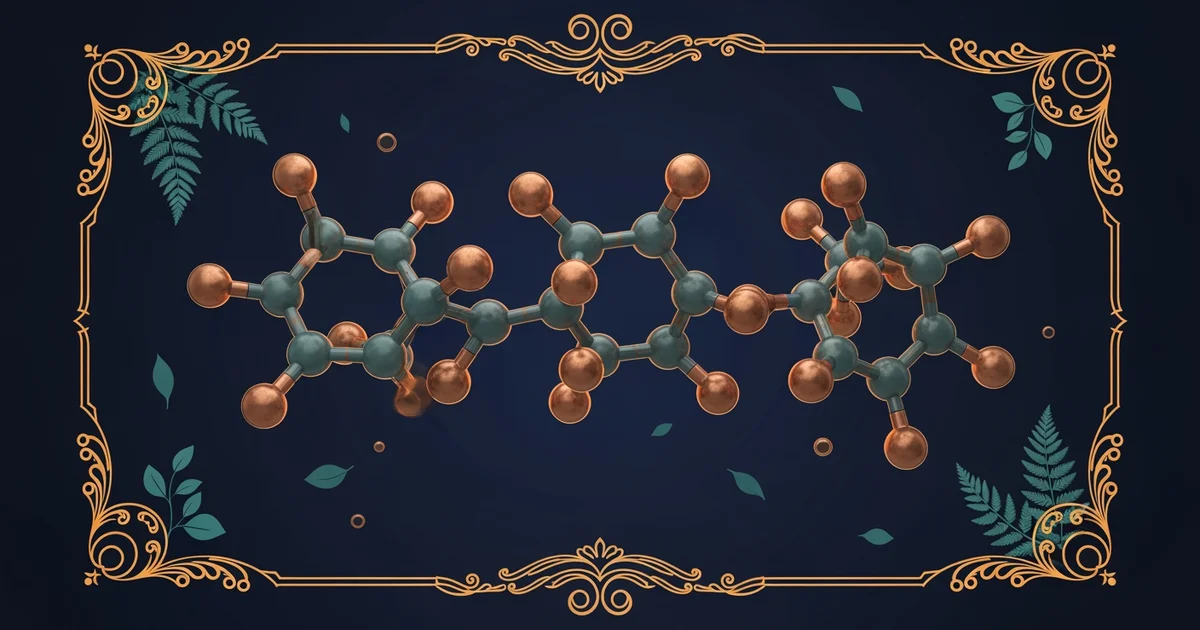
When your body needs to dismantle a large molecule, it performs a process called hydrolysis. This chemical reaction involves the addition of a water molecule to break a covalent bond between two subunits. Think of this process like taking apart a complex construction toy set to reuse the individual bricks for a new build. During this reaction, the water molecule splits into two distinct parts that attach to the newly separated subunits. One subunit gains a hydrogen atom, while the other subunit gains a hydroxyl group from that same water molecule. This addition effectively stabilises the ends of the separated parts, preventing them from reacting further in ways that could harm the cell. The reaction requires specific conditions to proceed efficiently within your digestive tract, ensuring that your body can break down proteins, fats, and carbohydrates into simpler forms.
Key term: Hydrolysis — a chemical reaction that uses water to break the covalent bonds holding large biological molecules together.
To understand why this matters, consider the difference between building and breaking molecular structures in your body. While dehydration synthesis removes water to connect subunits into long chains, hydrolysis brings water back into the mix to undo that work. This cycle is essential for maintaining a balance of nutrients throughout your entire system. If your body only built structures, it would soon run out of raw materials to keep your vital processes moving forward. By breaking down complex items, you recycle the building blocks for new tasks that your cells must perform every single hour.
Comparing Chemical Reactions
It helps to view these two processes as an economic transaction of energy and matter. Dehydration synthesis acts like saving money in a bank account, where you store value for later use. Conversely, hydrolysis acts like spending that money to purchase goods that you need right now to survive. The table below highlights how these two opposing reactions differ in their fundamental approach to managing molecular structures within your living cells:
| Feature | Dehydration Synthesis | Hydrolysis Reaction |
|---|---|---|
| Water status | Water is removed | Water is consumed |
| Bond status | Bonds are created | Bonds are broken |
| Energy status | Energy is stored | Energy is released |
| Goal | Building polymers | Breaking polymers |
This table illustrates that these reactions are direct opposites that work together to keep your internal environment stable. When you eat a meal, your digestive system uses enzymes to speed up the hydrolysis of large food polymers into small monomers. These monomers move into your bloodstream and travel to cells, where they might be reassembled through synthesis. This constant cycle of building and breaking ensures that your body has exactly what it needs at the right time.
Most biological processes rely on these reactions to manage the flow of matter and energy. For instance, the breakdown of starch into glucose provides the immediate energy that your brain and muscles require for movement. Without the consistent help of water, these large starch chains would remain locked away, making their energy inaccessible to your cells. The efficiency of your metabolism depends entirely on these simple yet powerful chemical events happening millions of times every second. By mastering these mechanics, you can better appreciate how your body maintains its complex structure through the simple act of digestion.
Hydrolysis maintains cellular life by using water to break down complex molecules into simple, usable building blocks for energy and growth.
But what does it look like in practice when enzymes speed up these reactions to keep you alive?