
Enzyme Catalysis
Imagine trying to open a heavy steel door without a key while the building is on fire. You could try to push the door down yourself, but that would take far too much precious time. Instead, you need a key that fits the lock perfectly to open the door with minimal effort. This is exactly how your body handles complex chemical reactions inside every single cell. Your body relies on specialized proteins to speed up essential processes that would otherwise take years to happen on their own. Without these tiny biological tools, the chemical reactions required to keep you alive would simply never occur at the speed you need.
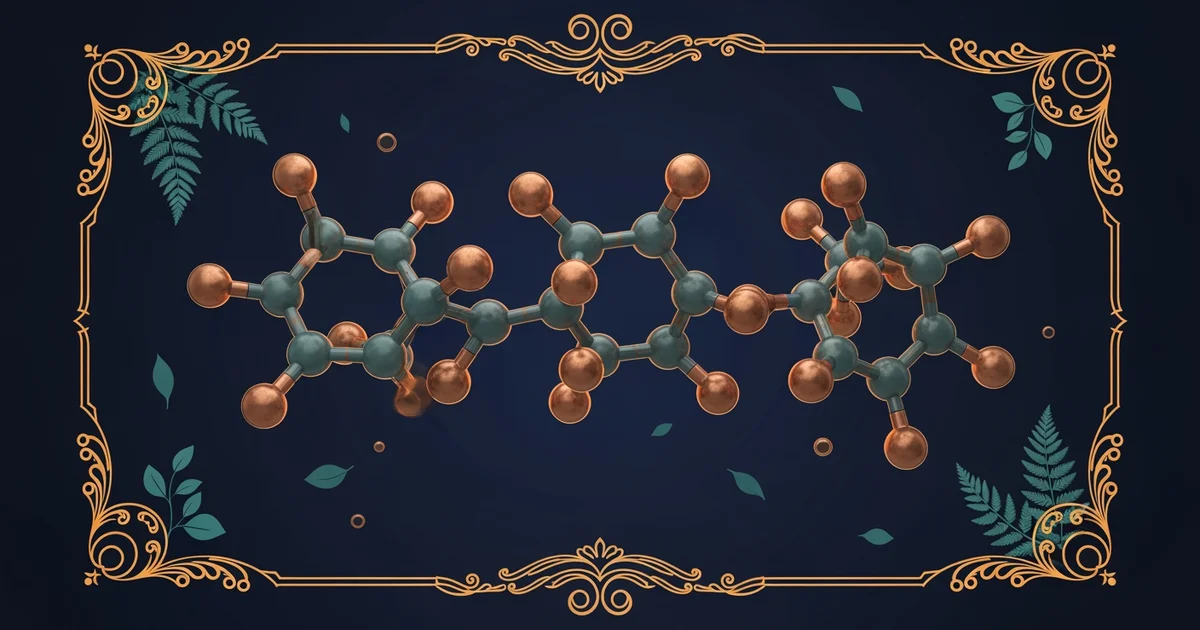
Understanding the Role of Biological Catalysts
Chemical reactions inside living systems often face a significant barrier known as activation energy. This energy represents the initial push required to break existing chemical bonds before new ones can form. Think of it like rolling a heavy boulder up a steep hill before it can roll down the other side. Enzymes act as a shortcut by providing a different path that requires much less energy to complete the task. By lowering this barrier, they ensure that critical life processes happen instantly rather than waiting for random collisions. These proteins do not change the final outcome of the reaction, but they drastically increase the speed at which it reaches completion.
Key term: Enzyme — a specialized protein that acts as a biological catalyst to accelerate chemical reactions by lowering the activation energy required for the process to occur.
The interaction between an enzyme and its target molecule is highly specific and relies on precise geometry. The target molecule, known as the substrate, must fit into a specific pocket on the enzyme called the active site. This relationship is much like a lock and key mechanism where only the correct key will open the door. When the substrate enters this site, the enzyme undergoes a slight shape change to hold the molecule tightly. This induced fit stresses the chemical bonds of the substrate, making it much easier for the reaction to proceed forward. Once the reaction finishes, the enzyme releases the products and returns to its original shape to start the process again.
Factors Influencing Enzyme Efficiency
Efficiency depends on several environmental factors that dictate how well the enzyme maintains its functional shape. Enzymes are sensitive to changes in their surroundings because their complex structure relies on weak molecular bonds. If the environment becomes too hot or too acidic, the protein can lose its specific shape and stop working entirely. This process is called denaturation, and it renders the enzyme useless because the active site no longer fits the substrate. Maintaining a stable internal environment is therefore vital for keeping these biological machines running at peak performance.
| Factor | Effect on Enzyme | Result |
|---|---|---|
| Temperature | High heat causes vibration | Denaturation occurs |
| pH levels | Acidity disrupts bonds | Function stops |
| Concentration | More substrate available | Faster reaction rate |
We can summarize the way these factors impact reaction speed through three main observations:
- Optimal temperature ranges allow the enzyme to move freely enough to collide with substrates frequently without losing its structural integrity.
- Proper pH levels ensure that the electrical charges within the active site remain balanced, which is necessary for holding the substrate in place during the reaction.
- Substrate availability acts as a ceiling for speed, because once every available enzyme is busy, adding more material will not increase the rate of the reaction further.
These conditions must stay within a narrow window to ensure that your metabolic pathways continue to function without interruption. When the environment shifts outside of these limits, the entire chain of chemical events can grind to a halt. Understanding this balance helps explain why your body works so hard to regulate internal temperature and chemical levels throughout the day.
Enzymes function by providing a lower energy pathway for chemical reactions, allowing biological processes to occur at life-sustaining speeds through precise physical interactions.
But what happens when these molecular machines are blocked, and how does that interference affect the overall stability of the cell membrane?