
Lipid Diversity
Imagine you are trying to pack suitcases for a long trip where some bags are rigid boxes and others are soft duffel bags. Rigid boxes stack neatly into a tight space because their shape is fixed and predictable, while soft bags collapse and shift to fill the gaps between your other items. This simple difference in physical flexibility explains the fundamental behavior of lipids in your body. Lipids are diverse molecules that serve as energy stores and structural barriers, but their specific shape determines how they function within living cells. By understanding these structural differences, you can see how fats act as both solid building materials and fluid membranes.
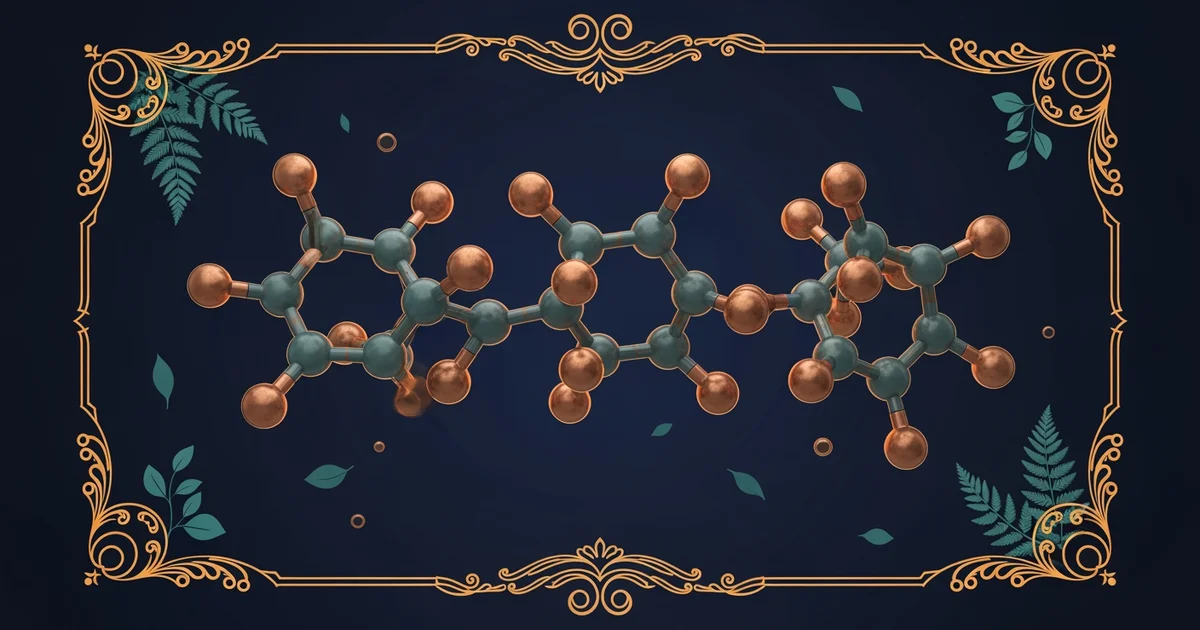
The Molecular Geometry of Fats
To understand lipid diversity, you must first examine the hydrocarbon chain that forms the backbone of these molecules. These chains consist of carbon atoms linked together in a long, straight line, with hydrogen atoms attached to every available side. When every carbon atom in the chain bonds to as many hydrogen atoms as possible, the molecule is considered saturated. Because there are no double bonds to create kinks or bends, these chains remain straight and rigid. This straight structure allows them to pack tightly against one another like a stack of bricks. This tight packing is the reason why butter remains solid at room temperature.
Key term: Saturated fat — a lipid molecule containing only single carbon-to-carbon bonds, which allows the hydrocarbon chains to pack tightly together.
When we look at other types of fats, we find molecules that contain at least one double bond between carbon atoms. This double bond introduces a bend or a kink into the otherwise straight chain, which prevents the molecules from stacking neatly. These molecules are known as unsaturated fats. Think of these molecules like those soft duffel bags from our suitcase analogy; they cannot sit flush against each other, so they remain fluid and mobile. This fluidity is essential for biological processes, especially when cells need to maintain flexible boundaries that do not freeze solid when the temperature drops slightly.
Comparing Lipid Characteristics
We can differentiate these lipid types by looking at their physical state and their chemical composition. The following table highlights the primary differences between these two common forms of dietary and structural lipids found in nature:
| Feature | Saturated Fats | Unsaturated Fats |
|---|---|---|
| Bond Type | Single bonds only | At least one double bond |
| Shape | Straight and rigid | Bent or kinked |
| Room Temp | Usually solid | Usually liquid |
| Source | Animal products | Plant oils and fish |
These structural differences have massive implications for how your body uses these fats for energy or storage. Saturated fats are excellent for compact, long-term energy storage because they occupy very little space, much like a dense pile of bricks. Conversely, unsaturated fats are vital for the structure of cell membranes because their bent shapes create the necessary space for proteins and other molecules to move around. Without this diversity in shape, your cell membranes would become brittle and fail to transport vital nutrients into the cell.
SMILES notation · Educational reference only
When you consume different fats, your body processes these shapes differently based on their ability to be broken down or incorporated into tissues. Your body can easily stack and store saturated fats, but it often uses unsaturated fats for more immediate cellular tasks. This distinction is not just about nutrition; it is about the physical chemistry of how molecules behave in a crowded biological environment. The shape of the lipid dictates its destiny within your cells, proving that even the smallest molecular kinks have a major impact on your overall health.
The structural arrangement of carbon bonds creates either rigid or fluid lipids, which determines how they pack together and function within biological systems.
The next Station introduces protein folding basics, which determines how amino acid sequences transform into the complex structures required for life.