
Carbohydrate Functions
Imagine you are standing in a busy kitchen preparing a feast for a large party of hungry guests. You have a pantry full of ingredients, ranging from single grains of rice to massive, complex cakes that take hours to bake. Your body handles energy in the exact same way as this kitchen, using small, simple building blocks to create massive structures for fuel or storage. Understanding how your body sorts these resources reveals the secret behind how living things maintain their daily energy levels.
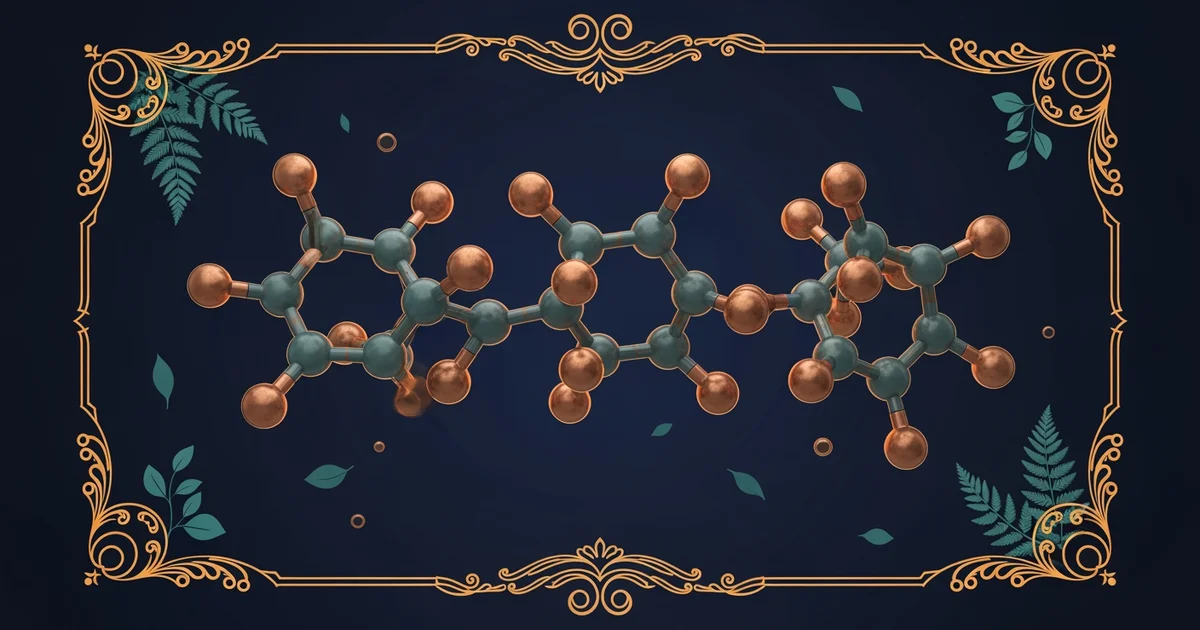
The Hierarchy of Carbohydrate Structures
To manage energy efficiently, your body categorizes carbohydrates based on their chemical size and the complexity of their internal connections. These molecules, which always contain carbon, hydrogen, and oxygen, function as the primary fuel source for almost every cell in your body. Simple sugars, known as monosaccharides, serve as the basic currency of energy because they break down almost instantly. When you eat fruit, you gain quick access to these single-ring structures, allowing your cells to burn them for immediate power without any extra work. Think of these like loose coins in your pocket that you can spend at any time.
Key term: Monosaccharide — a simple sugar molecule that represents the smallest unit of carbohydrates and serves as the immediate fuel source for cellular processes.
As you move up the complexity ladder, you find disaccharides, which consist of two simple sugars bonded together through a chemical reaction. Your body must break these specific bonds before it can absorb the energy trapped inside the connection. This process acts like a small transaction fee, requiring a tiny amount of effort before the energy becomes available for your muscles or brain. While slightly slower than single sugars, these molecules still provide a relatively fast boost to your system. They act like a two-dollar bill that you must exchange for smaller change before you can use it at the store.
Complex Polymers and Energy Storage
When your body needs to store energy for later use, it links thousands of these simple sugars into massive, branching chains called polysaccharides. These structures are far too large to be used immediately, so your body tucks them away in your liver or muscles for a rainy day. Because they are so large, your digestive system must chip away at them piece by piece, which creates a steady and slow release of fuel over many hours. This mechanism is similar to a savings account that pays out small amounts of interest over a long period rather than giving you all your cash at once.
| Carbohydrate Type | Complexity Level | Primary Role | Energy Release Speed |
|---|---|---|---|
| Monosaccharide | Single Unit | Instant Fuel | Very Fast |
| Disaccharide | Two Units | Quick Energy | Moderate |
| Polysaccharide | Massive Chain | Long Storage | Very Slow |
Different types of these chains serve unique purposes depending on the needs of the organism and the specific environment. Some chains form rigid walls to protect cells, while others act as dense batteries that hold thousands of sugar units in one location. By choosing the right size for the right job, your body ensures that you have enough power for a quick sprint and enough reserves for a long hike. This ability to shift between instant fuel and long-term storage is exactly how your body keeps its internal systems running smoothly throughout the entire day.
Carbohydrates function as energy systems that range from instant-access single units to massive, slow-release storage chains.
The next Station introduces lipid diversity, which determines how these energy reserves are packed into dense, protective barriers for long-term survival.