
Dehydration Synthesis
Imagine trying to build a massive brick wall while your hands are constantly covered in sticky glue. You must carefully remove the glue from each brick to ensure they stick together properly without making a messy pile. In the world of chemistry, cells face a similar challenge when they build complex structures from smaller, simple building blocks. They need a precise way to link these units together to form larger molecules like proteins or carbohydrates. This process of building up large structures is essential for life to function, grow, and repair itself.
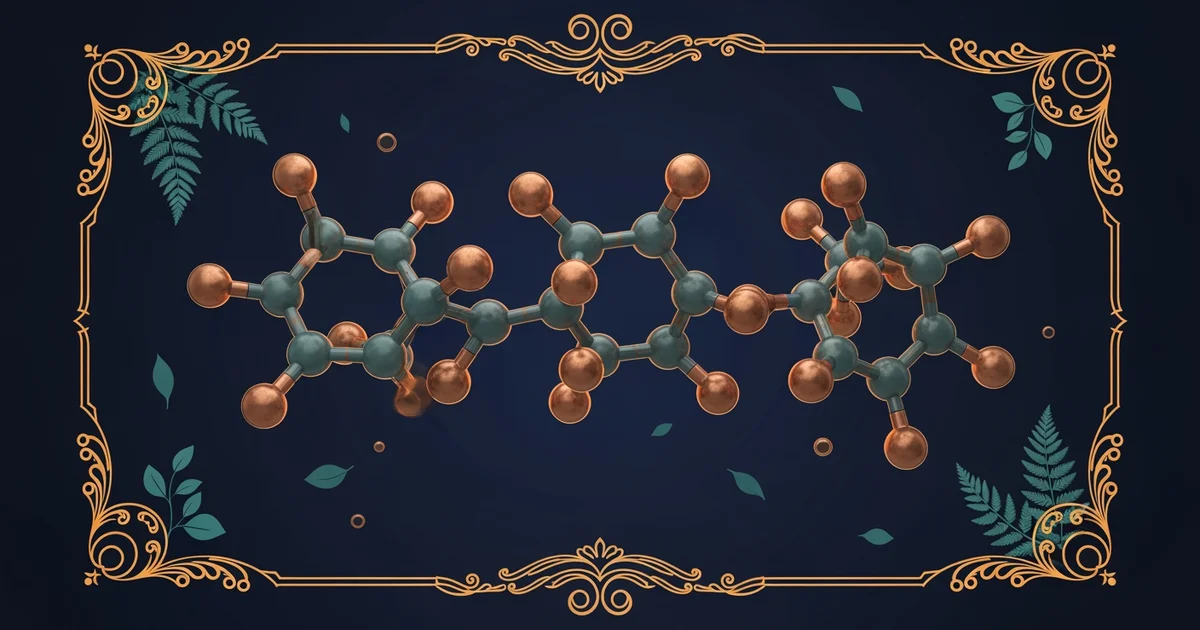
The Mechanism of Molecular Assembly
When cells need to create a large molecule, they rely on a specific process called dehydration synthesis. This reaction works by removing a small water molecule from two individual subunits to create a new bond. You can think of this process like joining two pieces of wood with a specialized locking mechanism. To make the connection, you must remove a small wooden peg and a slot to allow them to fit perfectly. In chemistry, the cell removes a hydrogen atom from one unit and a hydroxyl group from another unit. These two parts combine to form a single molecule of , which is then released as a byproduct. This removal of water is the reason we call the reaction dehydration synthesis.
Key term: Dehydration synthesis — a chemical reaction where two smaller molecules join together to form a larger one by removing a water molecule.
This reaction is vital because it allows the cell to store energy and build structural components efficiently. Without the ability to link these units, the cell would be full of disconnected parts that cannot perform complex tasks. The energy required to drive this reaction is often supplied by other cellular processes that act like a power grid. Once the water is removed, the remaining parts of the subunits are highly reactive and naturally want to form a stable covalent bond. This bond acts like a permanent anchor, holding the two units together in a strong, durable chain. The cell repeats this process thousands of times to create long polymers that serve as the foundation of life.
Comparing Molecular Building Reactions
To understand how these reactions differ, we can look at the specific components involved in the process. The reaction requires specific conditions, including the presence of enzymes to speed up the bond formation. Without these biological catalysts, the process would happen far too slowly to support the needs of a living organism. The following table highlights the key components that must be present for successful polymer formation through this synthesis method.
| Component | Role in Reaction | Importance |
|---|---|---|
| Subunit | Building block | Provides the raw material for the final structure |
| Enzyme | Biological catalyst | Lowers the energy needed to start the reaction |
| Water | Byproduct | Removed to allow the new covalent bond to form |
When we look at the process in a sequence, we see a clear pattern of growth. The cell first identifies the subunits that need to be joined together for a specific purpose. Next, the enzymes bring these subunits close enough to interact with each other effectively. Then, the reaction occurs, releasing the water and creating the strong bond between the two units. Finally, the newly formed molecule is released to perform its assigned role within the cellular environment. This cycle repeats until the required length of the polymer is reached, ensuring that the cell has the exact tools it needs to survive.
Understanding this process helps us see how simple elements shape the complex structures of life. By linking small units through the removal of water, cells create everything from the DNA in our cells to the muscles in our bodies. This elegant system of assembly is a testament to how efficient nature is at building complex things from very simple parts. Every time you move a muscle or read a sentence, these tiny chemical reactions are working behind the scenes to keep you going.
The removal of water molecules allows cells to link smaller building blocks into complex, functional polymers.
But what happens when the cell needs to break these large structures apart to reuse the building blocks?
Want this with sources you can check?
Premium Learning Paths for Chemistry & Molecular Science are researched against open-access libraries — PubMed, arXiv, government databases, and more — with their distinctive claims cited to real sources and independently checked.
See what Premium includes