
The Architecture of Life
Imagine you are building a vast city using only a few types of interlocking plastic bricks. Each tiny block connects to another in specific ways to form towers, bridges, or complex houses. This is exactly how nature builds every living thing on our planet from the ground up. The secret to this life-building process lies in the unique properties of a single, special element.
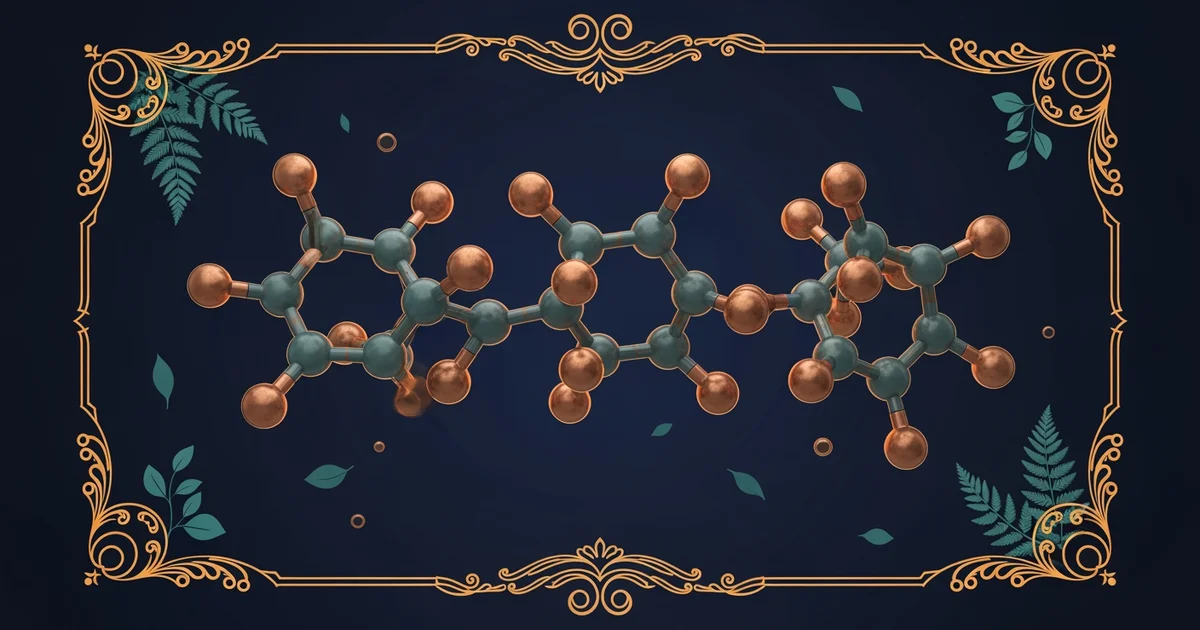
The Versatile Foundation of Carbon
Carbon acts as the primary structural foundation for all organic molecules found in living organisms. It possesses a unique ability to form four stable chemical bonds with other atoms simultaneously. This allows it to act like a universal connector in a construction set. Because it can link with itself and many other elements, it creates long chains or complex ring shapes. These structures serve as the sturdy skeletons for proteins, fats, and sugars. Without this specific bonding capacity, the diverse variety of life forms we see today would simply never exist. Think of carbon as the primary steel beam in a skyscraper that supports every floor.
Key term: Organic molecule — a chemical compound that contains carbon atoms bonded to hydrogen and often other elements like oxygen or nitrogen.
Carbon’s flexibility makes it the perfect building material for the complex machinery inside our cells. It can form single, double, or even triple bonds with other atoms to create varied shapes. These shapes determine how molecules interact with each other to perform vital life functions. If carbon were less flexible, our bodies would be unable to produce the complex signals needed for survival. Nature relies on this element to create stable frameworks that can also change when needed. This adaptability ensures that life can thrive in many different environments across the whole world.
Molecular Connections and Stability
Living systems require structures that are both durable enough to last and flexible enough to function. Carbon provides this balance by creating strong covalent bonds that do not break apart under normal conditions. These bonds act like the glue holding the parts of a machine together during daily operation. Other elements might be too reactive or too stable to allow for such constant chemical activity. By forming reliable connections, carbon allows cells to store energy and build complex physical structures. This reliability is why almost every part of your body relies on carbon-based chemistry for its existence.
We can compare the role of carbon to the way a master architect plans a building. The architect uses standard materials that can be joined in infinite ways to create unique designs. Similarly, carbon atoms join together to create the specific shapes required for DNA or muscle tissue. The following table highlights how different bond types allow for various molecular geometries:
| Bond Type | Interaction Style | Resulting Shape | Function |
|---|---|---|---|
| Single | Flexible chain | Long, straight line | Energy storage |
| Double | Rigid connection | Flat, stable plane | Structural support |
| Triple | Tight connection | Short, stiff rod | Chemical signaling |
These varied connections allow life to build everything from thin membranes to thick, protective layers. Each configuration serves a distinct purpose in the ongoing maintenance of a healthy, living organism.
SMILES notation · Educational reference only
Understanding how these small building blocks combine helps us see the bigger picture of biological life. We learn that complexity arises from simple, repeating patterns that follow strict chemical rules. By studying these patterns, we gain a deeper appreciation for the precision required to sustain life. This path will guide you through the various levels of molecular organization found in nature. You will discover how these tiny components assemble into the functional systems that define all living things.
Carbon serves as the essential structural foundation for life because its unique ability to form four stable bonds allows for the creation of incredibly diverse and complex molecular shapes.
By mastering these fundamental building blocks, you will gain a complete understanding of how complex biological systems operate at the molecular level.