
Biochemical Future Trends
Imagine a future where doctors fix broken cells as easily as a mechanic repairs a car engine. This shift from simple observation to active molecular design marks the next frontier for scientific progress. Researchers now seek to influence the very building blocks that define our biological existence. By mastering the code of life, humanity prepares to solve problems that once seemed impossible to address. This evolution changes how we view the tiny structures that sustain all living organisms.
Advancing Synthetic Biology
Scientists currently use synthetic biology to build custom molecular components that perform specific tasks inside living systems. Think of this process like upgrading a smartphone with new software that allows it to run faster or handle more data. Instead of just studying how cells function, researchers now write new genetic instructions to create novel biological machines. These engineered systems can produce medicine, clean up environmental toxins, or even create sustainable materials for construction. The goal involves moving beyond natural limits to achieve results that nature never intended to create on its own. This represents a massive leap from passive observation to active engineering of the microscopic world.
Key term: Synthetic biology — the design and construction of new biological parts, devices, and systems that do not exist in the natural world.
Designing Molecular Architecture
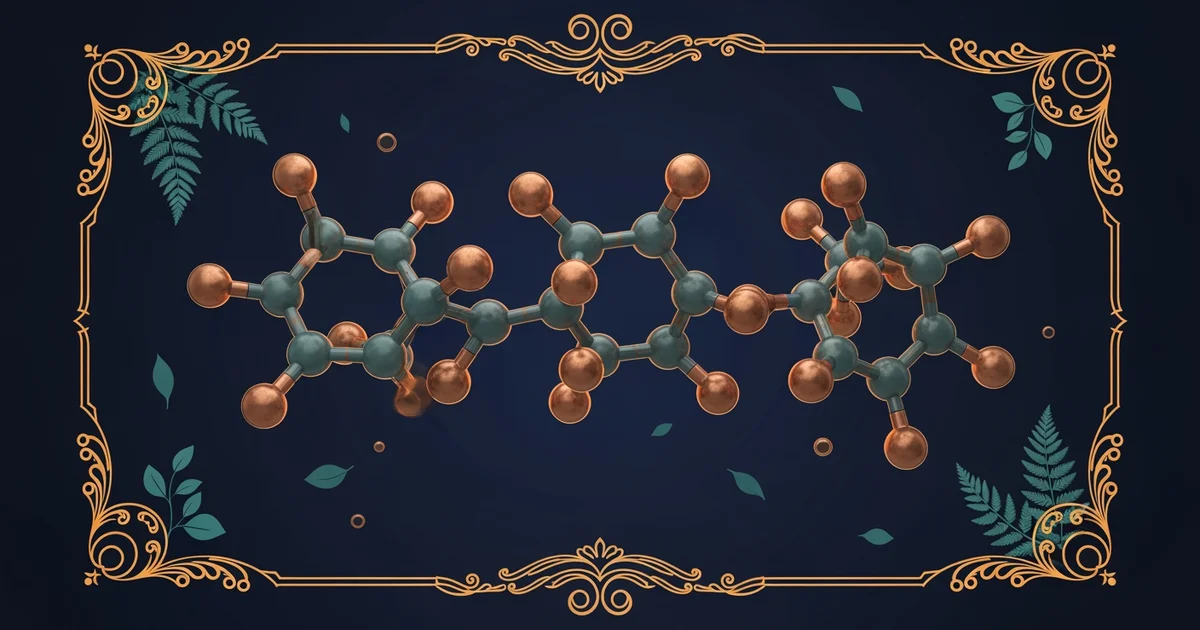
Designers now focus on molecular engineering to manipulate atoms and molecules into precise shapes that serve human needs. By arranging the basic units of life, engineers build structures with unique properties like extreme strength or high heat resistance. This field relies on the rules of chemistry to ensure that these new designs remain stable within a living environment. Just as a contractor builds a house using bricks and wood, molecular engineers use proteins and lipids to build tiny functional units. These structures must interact with existing cell processes without causing harm or triggering unwanted immune responses. Success in this area requires a deep understanding of how different molecules bond and fold into their final shapes.
| Molecular Tool | Primary Function | Potential Application |
|---|---|---|
| DNA Origami | Folding genetic material | Targeted drug delivery |
| Enzyme Design | Catalyzing reactions | Waste plastic breakdown |
| Peptide Chains | Creating scaffolds | Artificial tissue growth |
These tools show how we can repurpose the fundamental components of life to perform chores that help society thrive. We are learning to control the interactions between these molecules to build better health outcomes for everyone. The precision required for this task is immense because even a tiny mistake can lead to a failed experiment or an unstable structure. However, the potential rewards for medicine and environmental science make this work worth the effort.
Integrating Biological Systems
Future research aims to integrate these synthetic designs into existing biological frameworks to improve overall health and efficiency. This process requires a delicate balance to avoid disrupting the natural homeostasis that keeps organisms alive and functioning well. By combining the lessons from earlier studies on macromolecule stability, researchers can predict how new systems will behave over long periods. This synthesis of old knowledge and new technology creates a pathway toward solving complex diseases that target our basic molecular building blocks. The ability to repair or replace damaged parts at a molecular level will fundamentally change how we approach aging and illness in the coming decades.
This journey from understanding basic molecules to designing complex biological machines shows how far we have come in science. We now see that tiny molecular building blocks shape the complex structures that make up all living things in ways we are only beginning to master. By continuing to refine our tools and methods, we gain the power to influence our biological future with greater control and safety. This work bridges the gap between what we observe in nature and what we can create for the benefit of all humanity.
The future of biochemistry lies in our ability to engineer custom molecular structures that integrate seamlessly with natural biological systems to enhance health and sustainability.
Mastering molecular design allows us to transition from merely observing life to actively improving the biological processes that define our existence.