
Metabolic Energy Pathways
When a marathon runner hits the wall at mile twenty, their body faces a sudden, critical shortage of internal fuel. This physical collapse mirrors the way a factory halts production when the supply of raw materials dries up completely. In this scenario, the body struggles to maintain the chemical reactions required to keep muscles moving forward. This process relies on the complex ways that cells extract energy from the food we consume every single day. Understanding these pathways reveals how tiny molecular structures sustain the massive energy demands of human life.
The Role of Cellular Energy Currency
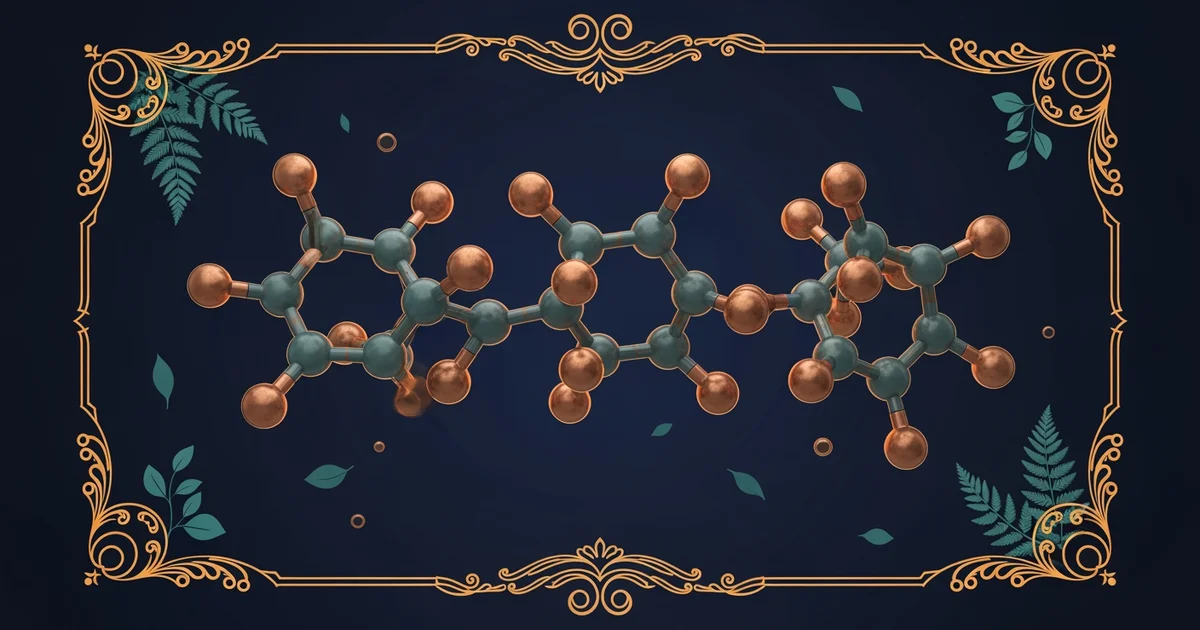
Cells require a specific form of energy to perform work, and they use a molecule called Adenosine Triphosphate to meet this need. You can think of this molecule as a rechargeable battery that powers every single biological function within your body. When the cell needs to perform a task, it breaks a high-energy bond to release a small packet of usable power. This release leaves behind a lower-energy molecule that the cell must recharge using energy from food. Without this constant cycle of breaking and reforming bonds, our cells would lack the power to sustain basic life processes.
Key term: Adenosine Triphosphate — the primary energy carrier in all living cells that stores and releases chemical energy for biological work.
This energy system is remarkably similar to how a business manages its cash flow to pay for daily operations. Just as a company needs liquid cash to pay workers, a cell needs accessible energy to keep its internal machinery running smoothly. The process of turning complex food molecules into this usable energy involves several distinct stages. Each stage captures small amounts of energy and stores them within the chemical structure of these battery molecules. If the supply chain for these molecules fails, the entire cellular system begins to slow down and eventually stops functioning.
Metabolic Pathways and Energy Conversion
Metabolic pathways represent the series of chemical steps that convert nutrients into energy through organized molecular changes. These pathways involve enzymes that act like skilled workers, guiding each reaction to ensure maximum efficiency during the process. One major pathway is Cellular Respiration, which extracts energy from glucose to create the power needed for cellular survival. This process follows a strict order to ensure that energy is not wasted as heat but is instead captured effectively.
| Stage of Process | Primary Input | Main Output | Efficiency Level |
|---|---|---|---|
| Glycolysis | Glucose | Pyruvate | Low |
| Krebs Cycle | Acetyl-CoA | Electrons | Moderate |
| Electron Chain | Oxygen | ATP | High |
The table above highlights how different stages contribute to the total energy output of the cell. Notice that the final stage produces the most power, making it the most critical part of the entire sequence. The movement of electrons during these stages is the actual engine that drives the production of the energy currency. If the cell lacks the necessary materials to complete these steps, it cannot maintain its internal environment. This is the application of the energy conversion concepts we discussed in our earlier study of molecular mechanics.
To keep these pathways moving, the cell must manage the flow of molecules with extreme precision and constant oversight. Any disruption in the supply of raw materials, such as glucose or oxygen, will immediately limit the amount of energy available to the system. The cell responds to these changes by adjusting its internal speed to match the current availability of resources. This adaptive behavior ensures that the most vital functions receive priority when energy supplies become tight or limited during periods of stress. By balancing these inputs and outputs, the cell maintains a steady state that allows life to continue despite external environmental fluctuations.
Metabolic pathways convert the chemical energy stored in food bonds into a universal currency that cells use to power every essential biological function.
But this model of efficient energy production becomes dangerously unstable when the cell faces a persistent imbalance in its internal chemical environment.