
Future Research Trends
Future breakthroughs in medical science will rely on how we decode the hidden dialogue between pathogens and our nervous systems. Scientists now investigate whether specific microbes manipulate human decision-making to ensure their own survival and spread across global populations.
Emerging Technologies in Neuro-Immunology
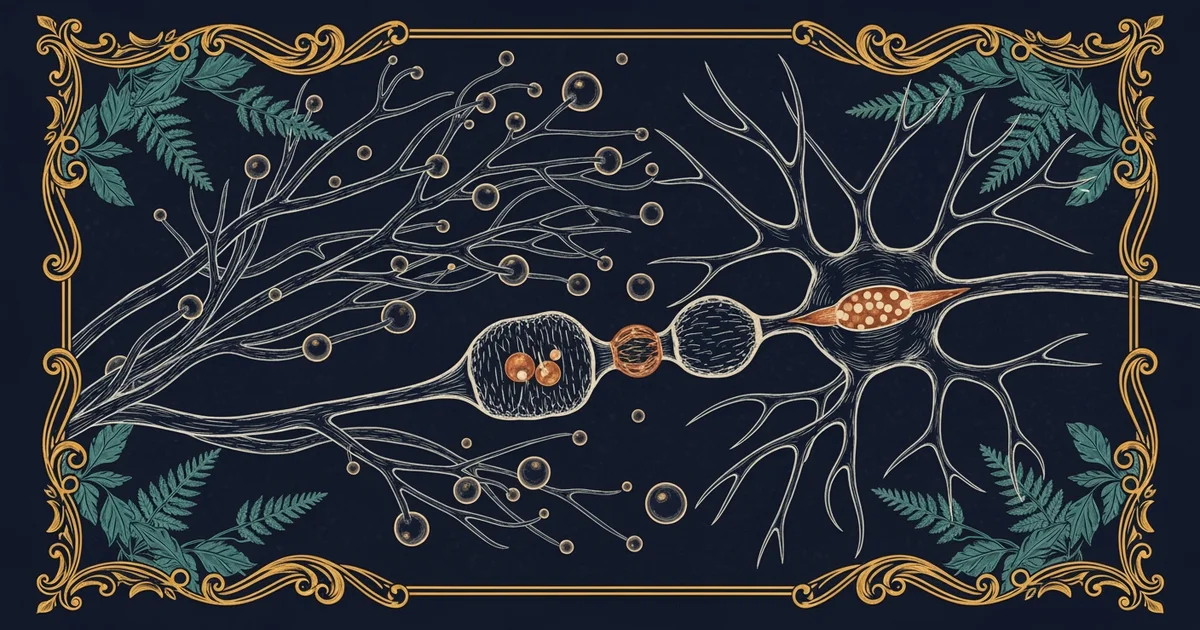
Researchers are currently developing advanced tools to map the precise neural pathways that invading microbes target during an active infection. By using high-resolution imaging, experts can now observe how pathogens trigger chemical signals that alter mood or social behavior in real time. This field, known as neuro-immunology, seeks to understand the complex physical bridges between our immune response and our cognitive functions. Imagine a puppet master pulling strings from behind a curtain to control the movements of a performer on a stage. In this scenario, the microbe acts as the master, while the host brain serves as the performer executing commands. Future studies will likely focus on how these microscopic invaders bypass natural barriers to influence our daily choices and long-term personality traits.
To track these subtle changes, scientists rely on several key methods for monitoring host behavior and internal biological shifts:
- Advanced neural mapping allows researchers to visualize which specific brain regions activate when a pathogen enters the bloodstream and starts releasing its chemical signals.
- Microbiome sequencing helps identify which bacterial strains correlate with sudden changes in risk-taking behavior or social anxiety levels in diverse host populations.
- Synthetic biology approaches enable the creation of harmless tracer molecules that mimic pathogen signals to see how the brain reacts without causing actual disease.
These tools provide a clearer picture of how pathogens hijack the host. By analyzing these data points, we can begin to predict how future outbreaks might alter human behavior on a massive scale. This proactive approach helps us prepare for potential shifts in social dynamics that arise during widespread health crises.
Predicting Future Trends in Pathogen Control
As we look forward, the integration of data science and biology will redefine our approach to treating infectious diseases. We are moving toward a future where we treat the behavior of the host as a diagnostic indicator of the infection itself. If we can identify the chemical signatures that cause behavioral shifts, we might develop targeted therapies to block these signals. This would stop the pathogen from hijacking the brain while the immune system works to clear the infection. The following table compares current research focuses with predicted future trends in this evolving field of biological study.
| Research Area | Current Approach | Future Focus |
|---|---|---|
| Diagnostics | Symptom tracking | Behavior analysis |
| Treatment | Killing pathogens | Blocking signals |
| Prevention | Vaccine design | Neural shielding |
Key term: Behavioral manipulation — the process by which a parasite or pathogen alters the actions of a host to increase its own transmission success.
This shift in perspective forces us to reconsider the foundation question of how microscopic pathogens hijack host decision-making processes. We previously learned about disease ecology, which gave us a broad view of how illnesses spread across environments. Now, we see that the interaction is not just environmental but deeply internal and neurological. The tension remains between our desire to control these pathogens and the reality that they have evolved to exploit our most basic biological drives. As we integrate these concepts, we must ask: can we ever fully decouple human free will from the subtle, invisible pressures exerted by the microbial world living inside us? This remains the ultimate challenge for the next generation of researchers.
Future research will transform our understanding of health by treating behavioral changes as critical biological data points rather than just side effects of illness.
The next step involves summarizing the tactical strategies pathogens use to survive in complex host environments.