
The Toxoplasma Model
Imagine a tiny parasite that turns a cautious mouse into a bold, fearless explorer. This strange transformation happens when a microscopic organism hijacks the brain of its host animal. While most animals naturally avoid predators, this parasite rewires their internal survival instincts to ensure its own life cycle continues. It is a master of biological manipulation that changes how an organism perceives its environment.
The Mechanism of Behavioral Modification
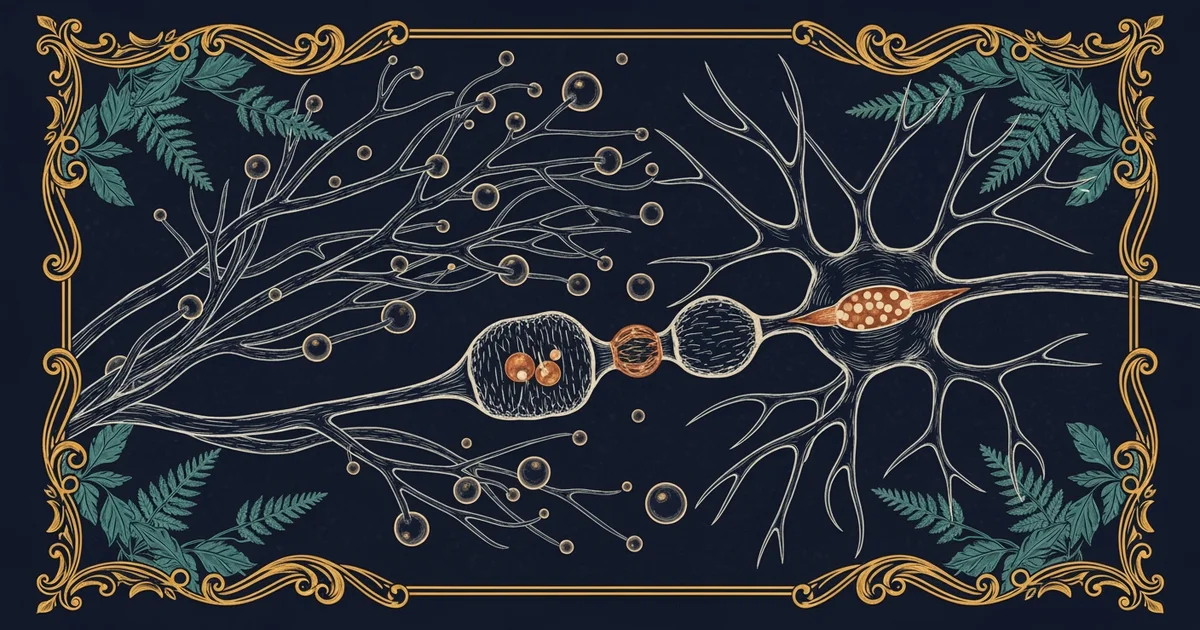
When Toxoplasma gondii enters the body of a rodent, it does not just sit still. It travels through the bloodstream to reach the brain, where it forms small, dormant cysts. These cysts release chemical signals that alter the way the mouse processes sensory information. Think of it like a secret agent who replaces the security cameras in a building with a loop of peaceful footage. The mouse no longer sees a predator as a threat, but instead views it with a strange, misplaced curiosity. This change is not a conscious choice by the mouse, but a direct result of the parasite changing the chemical environment inside the brain.
This behavioral shift is essential for the parasite to move from one host to another. The parasite needs to reach its final destination, which is the gut of a cat. By making the mouse fearless, the parasite increases the chance that a cat will catch and eat the mouse. This is a cold, calculated strategy for survival that forces the host to act against its own interests. The parasite effectively sacrifices the mouse to ensure its own offspring can continue to multiply inside the feline host.
Understanding the Fear Response
To understand why this happens, we must look at how the rodent brain processes danger. Under normal conditions, the scent of a cat triggers a powerful fear response that causes the mouse to freeze or run away. This instinct is hardwired into the neural pathways of the rodent to keep it alive in the wild. When the parasite infects the brain, it disrupts the connection between the scent of the cat and the fear response. The mouse still detects the scent, but the emotional signal of terror is blocked or replaced with a feeling of attraction.
Key term: Toxoplasma gondii — a microscopic parasite that infects mammals and alters their behavior to complete its complex life cycle.
This change can be summarized by looking at how different stimuli affect the infected mouse compared to a healthy one:
- Predator Scent: Healthy mice show immediate avoidance, while infected mice show neutral or even curious behavior toward the smell.
- Exploration Patterns: Healthy mice stay close to dark, safe walls, whereas infected mice spend more time in open, exposed areas.
- Decision Speed: Healthy mice take longer to investigate new objects, but infected mice show a faster, more reckless speed when exploring.
These changes show that the parasite does not just turn off fear, but it actively rewires the brain to favor risky behavior. By shifting the rodent's natural preference for safety toward a preference for danger, the parasite gains a significant advantage. This manipulation is a perfect example of how a tiny organism can influence the complex decisions of a much larger animal. The mouse becomes a vehicle for the parasite, carrying it directly into the mouth of its next required host.
A parasite can hijack the neural pathways of a host to override survival instincts and force behavior that benefits the parasite's survival.
The next Station introduces viral behavioral shifts, which determines how viruses can also change the way animals interact with their environment.