
Host Immune Responses
You wake up feeling heavy and tired after a long night of fighting off a cold. Your body feels like it is running a marathon while you are lying still in your bed. This sensation is not an accident of nature but a calculated strategy by your internal defense system. When pathogens invade your tissues, your immune system launches a massive response to stop the spread of infection. This process requires significant energy and resources that your body must divert from your daily activities. You experience this shift as a sudden decline in your desire to move or socialize.
The Mechanism of Immune Activation
When your body detects a foreign intruder, it triggers a complex process known as inflammation. This response involves the release of specialized proteins that alert your immune cells to the location of the threat. Think of this process like an emergency road construction crew blocking a busy highway during rush hour. The crew must stop traffic to fix the damage and remove the hazard from the path. While the road is closed, you cannot travel, which is exactly how your body prioritizes fighting off germs over your normal physical movement.
Key term: Inflammation — the body's protective response to infection that involves heat, swelling, and the release of signaling molecules.
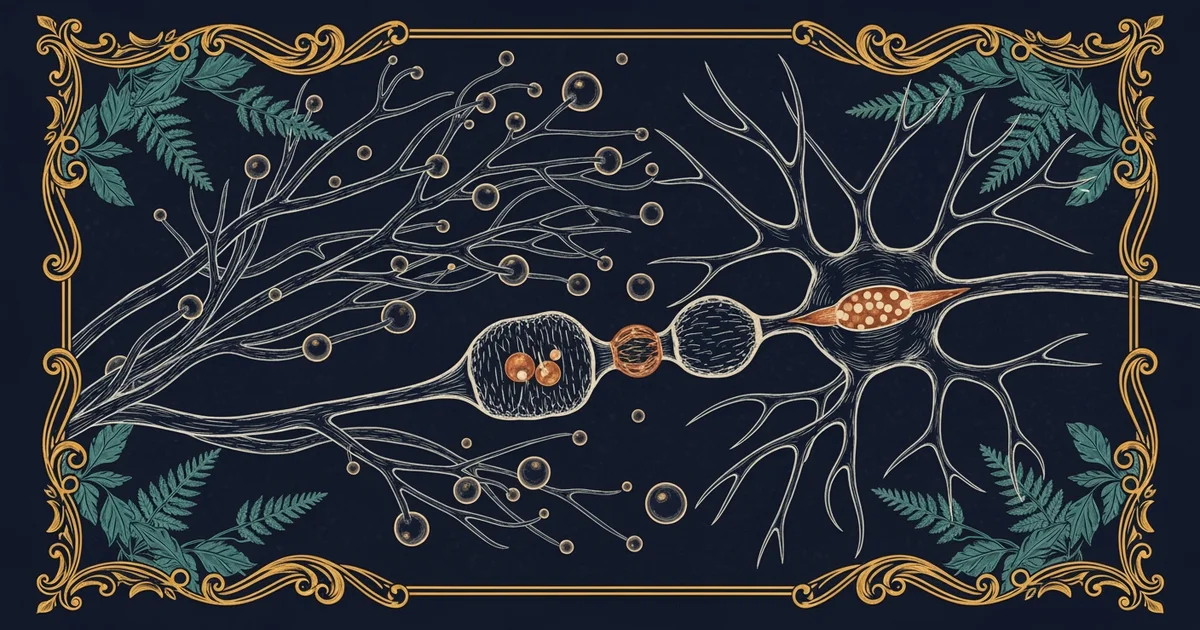
Your immune system relies on chemical messengers to communicate these needs to your brain. These molecules travel through your bloodstream to reach the control centers that manage your energy levels. Once these signals arrive, the brain adjusts your internal state to favor rest and recovery. This change in your physical state is a protective measure to ensure your body has enough fuel for the immune response. If you continued your normal routine, you would deplete the energy needed to successfully neutralize the dangerous pathogen.
The Biological Cost of Defense
This shift in your behavior is often called sickness behavior, which is a set of coordinated changes. Your body intentionally reduces your appetite and your interest in external exploration to minimize energy use. These adjustments are not signs of weakness but are highly effective tools for survival during an active infection. By staying still and resting, you allow your immune cells to focus entirely on eliminating the threat. The following table illustrates how your body redirects its resources when it faces a significant biological challenge during an active illness.
| Process | Normal State | During Infection | Purpose of Change |
|---|---|---|---|
| Energy Use | High Activity | Low Activity | Conserve for defense |
| Appetite | High Demand | Low Demand | Reduce digestive load |
| Socializing | High Interest | Low Interest | Limit pathogen spread |
Your brain processes these signals constantly to balance your immediate needs with your long-term survival requirements. When the infection is strong, the signals for rest become louder and more urgent for you. You might find it difficult to concentrate or remain awake because your brain is prioritizing immune support over mental focus. This trade-off is essential for your recovery, as the immune system requires a massive amount of metabolic fuel to function. Once the pathogen is cleared, the signaling molecules decrease and your energy levels gradually return to normal levels.
Understanding this process helps you realize that your feelings are part of a sophisticated defense network. Your body is not simply failing to work correctly when you feel sluggish and tired. Instead, it is actively managing your behavior to ensure you survive the challenge posed by the microscopic invader. By listening to these signals and providing your body with the rest it needs, you support the immune system in its critical work. This partnership between your brain and your immune system is the foundation of your recovery from almost any common illness.
The immune system triggers behavioral changes like lethargy to prioritize energy for fighting infections over daily physical activities.
The next Station introduces hormonal hijacking, which determines how specific chemicals alter your decision-making processes.