
Viral Behavioral Shifts
Imagine a tiny passenger on a train who decides to grab the steering wheel and force the engine toward a new destination. This strange event happens inside your own body when specific viruses enter your system and begin altering how you behave to ensure their own survival. While we often think of viruses as simple invaders that cause illness, some act as complex architects of host behavior. They do not just copy themselves inside your cells, but they also rewrite the rules of your daily activity. By influencing your nerves and brain chemistry, these microscopic agents turn a healthy host into a tool for their wider spread.
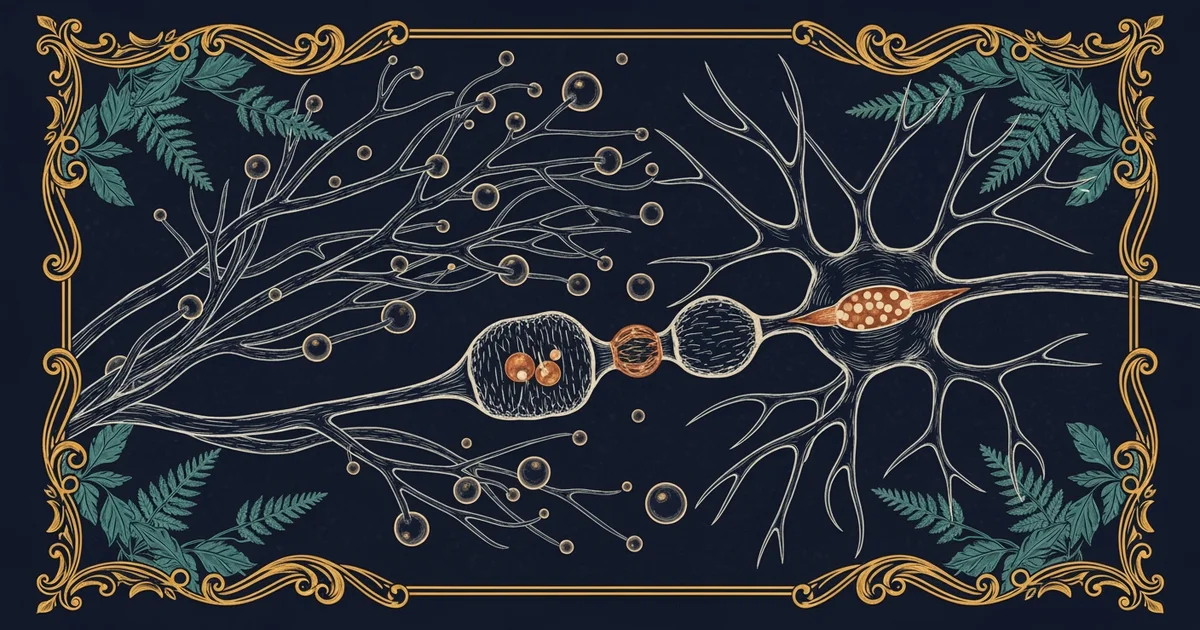
The Mechanics of Viral Influence
When a virus enters a host, it often seeks the most efficient path to reach new victims. If a virus can make a person or animal more active, it increases the odds of transmission through physical contact or environmental shedding. This process is much like a marketing company that pays for a viral advertisement to change how you spend your money. Just as that ad shifts your focus toward a specific store, the virus shifts your biological focus toward actions that help it jump to a new host. It manipulates your internal signaling pathways to prioritize movement over rest or social isolation.
Key term: Viral manipulation — the process where a pathogen alters the behavior of its host to increase the likelihood of transmission to another host.
These shifts occur because viruses can interact directly with the immune system to cause inflammation. This inflammation releases chemical signals that travel to the brain and alter your mood or energy levels. When you feel unusually restless or social while fighting a mild illness, you might be experiencing the subtle push of a viral passenger. The virus does not have a brain of its own, but it knows how to pull the levers of your nervous system to get the results it needs for growth.
Comparing Viral and Parasitic Tactics
It is helpful to compare how viruses work with the strategies used by larger parasites like the ones we studied in the previous station. While both types of organisms want to change your behavior, they use different tools to achieve these results. A parasite might use complex toxins to physically rewire brain circuits over a long period. In contrast, a virus usually relies on the host's own immune response to create the desired behavioral change. This means viral effects are often temporary and tied to the active phase of the infection.
| Feature | Viral Strategy | Parasitic Strategy |
|---|---|---|
| Primary Tool | Immune signaling | Direct toxin release |
| Timeframe | Short and acute | Long and persistent |
| Target | Energy/Activity | Decision-making |
This table shows that while both paths lead to changed behavior, the viral method is faster and less permanent. Parasites act like a permanent renovation of a house, while viruses act like a temporary change in the home's lighting. Both influence how you live inside the space, but one is much easier to reverse once the visitor leaves. Understanding these differences helps us see how diverse life forms use the same goal of transmission to drive their evolution.
Viruses that change behavior have a clear advantage over those that simply cause you to stay in bed. If a virus makes you want to go out and interact with others, it succeeds in its primary goal of finding a new home. This is not a conscious choice by the virus, but rather a successful trait that has been selected through millions of years of survival. Every time you feel a strange urge to change your routine while sick, you are witnessing a silent war for control of your body. The virus wins when it successfully reaches the next person, and your behavior is the vehicle it uses to get there.
Microscopic pathogens influence host behavior by triggering immune responses that shift energy levels and social tendencies to ensure their own successful transmission.
The next Station introduces host immune responses, which determine how your body fights back against these behavioral shifts.