
Neuro-Chemical Pathways
Imagine your brain is a high-security vault that keeps your thoughts safe from unwanted visitors. Pathogens often find ways to bypass these sturdy locks by using chemical keys that look like natural signals.
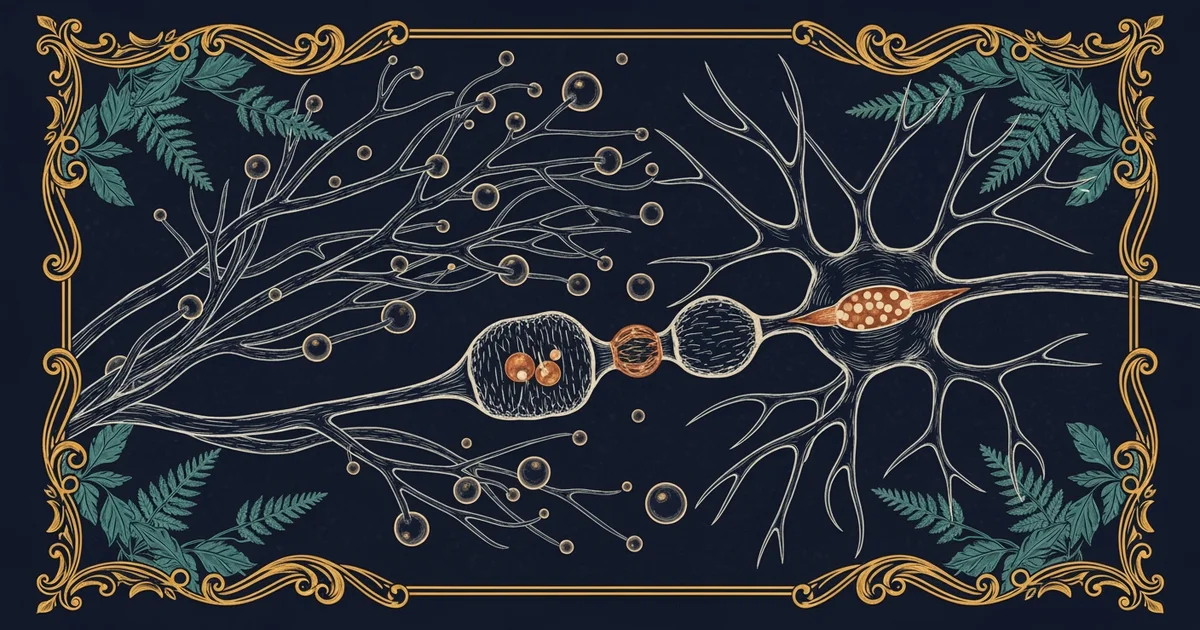
Understanding the Blood-Brain Barrier
Your brain requires a stable environment to function well, so it uses a specialized filter. This filter is the blood-brain barrier, a tight layer of cells that protects your delicate neural tissue. Most substances in your blood cannot easily cross this wall, which keeps harmful toxins away from your neurons. Pathogens have evolved clever methods to trick this system by mimicking the molecules your brain already accepts. They often send chemical messages that look like standard nutrients or hormones to gain entry. Once they cross this barrier, they begin to influence the internal chemistry that dictates your moods and daily choices. This process is like a spy using a fake ID to enter a secure building during a shift change. Because the guard expects a delivery, the spy walks right through the front door without any major resistance. The pathogen acts as an intruder that uses the brain's own delivery system against its host. By hijacking these pathways, the invader gains direct access to the control center of your entire body.
Mapping Chemical Pathways to Behavior
Once a pathogen enters the brain, it starts to manipulate the complex chemical signals that govern your behavior. These invaders often target the neurotransmitters, which are the chemical messengers that allow your brain cells to communicate. By changing the levels of these chemicals, the pathogen can alter how you feel or how you react to your environment. Think of these messengers as the currency in a busy marketplace where every transaction keeps the city running. If an outside force suddenly floods the market with fake money, the entire system begins to malfunction. You might feel more anxious, tired, or impulsive because your brain is receiving distorted information from these chemical signals. The pathogen does not need to destroy the brain to change your behavior; it only needs to influence the existing communication lines. This subtle shift allows the invader to steer your actions in ways that help it survive or spread further. Understanding these pathways helps us see how a tiny microbe can change the personality or choices of a much larger organism.
Key term: Neurotransmitters — the specialized chemical messengers that transmit signals across the gap between two nerve cells.
To manage these complex interactions, the brain uses specific systems to maintain balance and ensure that signals remain clear. The following table outlines how different chemical pathways influence your reactions when they are disrupted by external agents:
| Pathway Type | Primary Function | Effect of Disruption | Signal Speed |
|---|---|---|---|
| Dopamine | Reward processing | Impulsive behavior | Very fast |
| Serotonin | Mood regulation | Increased anxiety | Moderate |
| Glutamate | Signal excitation | Sensory overload | Instant |
These pathways work together to create the complex web of behaviors that define how you interact with the world around you. When a pathogen occupies these channels, it essentially rewrites the rules of your internal communication. The brain tries to adapt to these changes, but it often struggles to distinguish between its own signals and the ones from the intruder. This constant struggle between your biology and the pathogen creates the behavioral shifts that we observe in many different species. By mapping these routes, scientists can better predict how infections change the way an organism navigates its daily life.
The brain's security system is designed to block invaders, but pathogens use mimicry to hijack chemical pathways and alter host behavior from within.
The next Station introduces The Toxoplasma Model, which determines how specific parasites manipulate complex decision-making processes in their hosts.