
Microbial Influence
Imagine you feel a sudden craving for a specific snack while studying late at night. You might assume your own brain is simply signaling a need for quick energy. However, trillions of tiny organisms living inside your digestive tract might actually be driving that choice. These microscopic residents form a complex community that actively communicates with your central nervous system every single day. By influencing your cravings, these organisms demonstrate that your dietary decisions are not entirely yours alone to make.
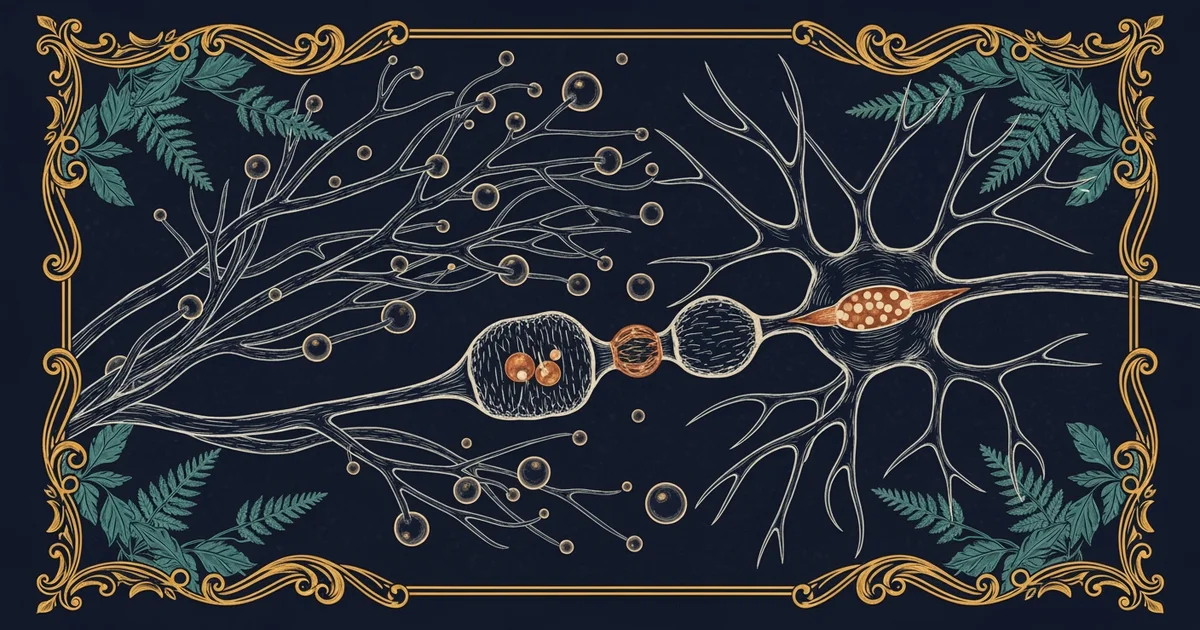
The Microbial Communication Network
Your gut contains a massive collection of bacteria that perform functions far beyond simple digestion. These bacteria produce various chemical compounds that travel through your bloodstream to reach the brain. Think of this process like a global supply chain where the local factory dictates the market demand. If the bacteria thrive on specific nutrients, they may release signals that encourage you to consume those exact items. This constant feedback loop ensures the survival of the microbial population by manipulating the host's behavior to favor their growth. When you feed your gut flora, you are essentially participating in a biological negotiation that impacts your overall mood and cognitive focus.
Key term: Microbiome — the entire collection of microorganisms that live within a host organism and influence its biological processes.
This communication happens through several distinct pathways that link the digestive system to the brain. The most famous connection is the vagus nerve, which acts like a high-speed data cable. This nerve carries information from the gut directly to the brainstem to regulate your stress response. If the bacterial balance in your gut shifts, the messages sent along this nerve change immediately. This shift can lead to feelings of anxiety or even changes in your social behavior. Understanding this link helps explain why digestive health is so deeply tied to your daily emotional state.
Managing Your Internal Ecosystem
Maintaining a healthy balance of bacteria requires consistent attention to the fuel you provide daily. Different types of bacteria respond to different food sources, creating a unique internal environment for every person. You can categorize the influence of these microbes based on their primary effects on your body and your mental state:
- Probiotic bacteria support the gut lining by producing short-chain fatty acids that reduce inflammation and improve brain function.
- Pathogenic bacteria can trigger immune responses that lead to brain fog or fatigue by disrupting normal chemical signaling pathways.
- Commensal bacteria live in harmony with the host, helping to synthesize essential vitamins that the body cannot produce alone.
By choosing diverse foods, you support a wider variety of these helpful organisms within your system. A diverse gut population is generally more resilient against negative influences from harmful invaders. This resilience acts as a buffer, preventing any single group of microbes from taking complete control of your decision-making. When you prioritize gut health, you are essentially strengthening the firewall of your own biological decision-making center.
| Bacterial Type | Primary Function | Mental Impact |
|---|---|---|
| Probiotic | Nutrient absorption | Positive mood |
| Pathogenic | Immune activation | Increased stress |
| Commensal | Vitamin synthesis | Stable energy |
This table shows how different bacteria contribute to your overall well-being and daily mental clarity. Each group plays a specific role in maintaining the delicate equilibrium of your internal environment. When one group dominates, your body experiences distinct changes in how you think and how you feel. Recognizing these patterns allows you to make better choices for your long-term health and mental stability. You are the manager of a vast city, and your food choices determine which citizens thrive in your streets.
Your gut microbes act as silent partners by sending chemical signals that influence your cravings and emotional responses.
Next, we will explore how these signals travel through specific neuro-chemical pathways to alter your brain chemistry.