
Hormonal Hijacking
Imagine your body is a busy office building where managers send memos to keep things running. A parasite acts like a rogue employee who starts intercepting these important memos to change company policy. This process is known as hormonal hijacking, and it allows tiny invaders to control your internal systems. By tampering with chemical signals, they force your body to behave in ways that benefit their survival. This is not magic, but a calculated manipulation of your biological software.
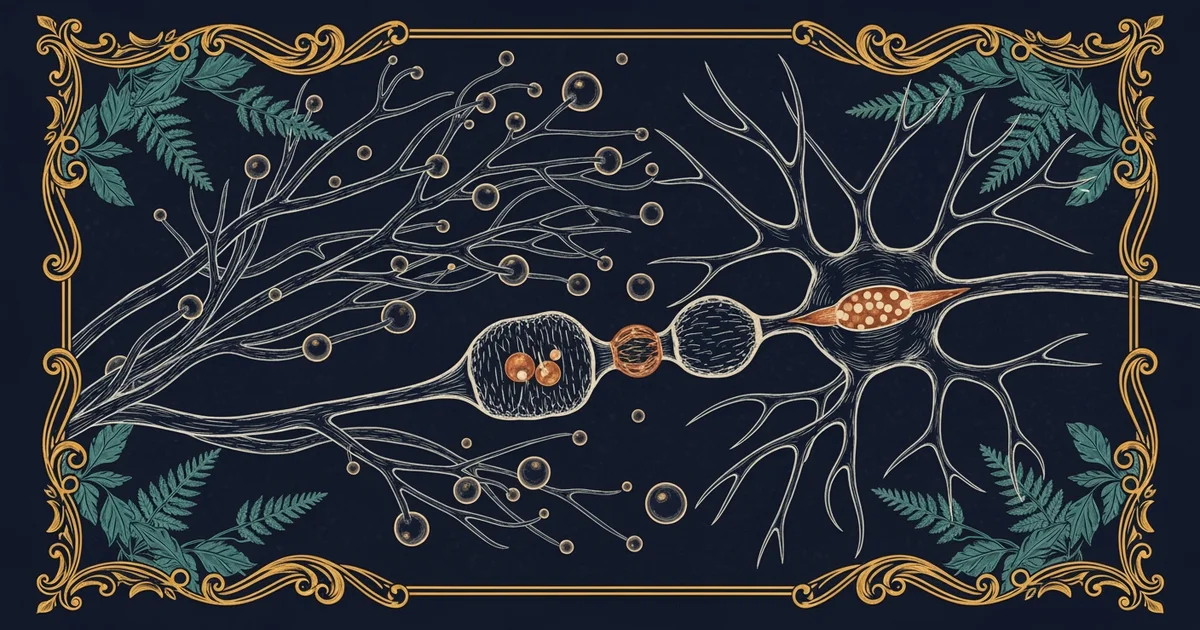
The Mechanism of Chemical Interference
When a pathogen enters your system, it often needs to manipulate your mood or energy levels. It achieves this by producing chemicals that mimic the hormones your body naturally creates. Your endocrine system functions like a central hub for communication throughout your entire physical structure. If a parasite releases a compound that looks like a stress hormone, your brain will react accordingly. The brain assumes that you are facing a threat, so it triggers a fight or flight response. This reaction diverts energy away from your immune system and towards physical movement. By making you feel anxious or restless, the parasite ensures you move around more often. This increased movement often helps the parasite spread to new environments or potential hosts. The parasite essentially hacks your internal messaging system to serve its own reproductive interests.
Key term: Endocrine system — the collection of glands that produce hormones to regulate metabolism, growth, and mood.
How Hormones Influence Behavior
To understand how these invaders succeed, we must look at how hormones usually dictate our daily actions. Hormones are chemical messengers that travel through your bloodstream to reach specific target organs. They tell your body when to sleep, when to eat, and how to react to danger. When a pathogen disrupts these signals, the result is a shift in your normal behavior patterns. Think of this like a malicious hacker who gains access to your home thermostat and security system. They can turn the heat up until you are sweating or set off the alarm to make you leave. You feel the physical discomfort, but you do not realize that an outside force is controlling the controls. This manipulation is subtle because it uses your existing hardware to carry out the commands of the intruder.
| Hormone Type | Normal Function | Pathogen Impact |
|---|---|---|
| Cortisol | Regulates stress | Induces panic |
| Serotonin | Manages mood | Causes lethargy |
| Insulin | Manages energy | Alters metabolism |
These shifts often manifest as specific changes in how you interact with your surroundings. The following list explains the primary ways that pathogens alter your internal status:
- Energy redirection occurs when parasites force the body to burn stored fat reserves rapidly, leaving the host feeling exhausted and prone to seeking more food for the pathogen.
- Mood alteration happens when pathogens interfere with neurotransmitter production, which leads to sudden spikes in irritability or social withdrawal that isolate the host from others.
- Circadian disruption takes place when invaders reset your internal clock, forcing the host to be active at times when they would normally be resting or recovering.
These changes are not accidents, but rather strategic adaptations that help the parasite survive long enough to transmit itself elsewhere. Because your brain trusts these chemical signals as genuine, it has no way to filter out the false information. It simply reacts to the data it receives, even if that data is designed to harm your long-term health.
Pathogens hijack the endocrine system by mimicking natural hormones, effectively tricking the brain into altering host behavior to favor the parasite's survival.
But what happens when these chemical messages reach the brain and begin to interfere with the actual connections between your nerve cells?
Want this with sources you can check?
Premium Learning Paths for Biological Sciences are researched against open-access libraries — PubMed, arXiv, government databases, and more — with their distinctive claims cited to real sources and independently checked.
See what Premium includes