
Synaptic Interference
Imagine your brain is a crowded city where millions of tiny messengers constantly deliver urgent mail. When a foreign microbe enters this city, it does not just walk through the streets unnoticed by guards. Instead, it starts intercepting the mail, changing the messages, and sending false instructions to the city leaders. This process of synaptic interference allows microscopic organisms to manipulate how you think, feel, and ultimately behave by disrupting standard neural communication channels.
The Mechanics of Neural Messaging
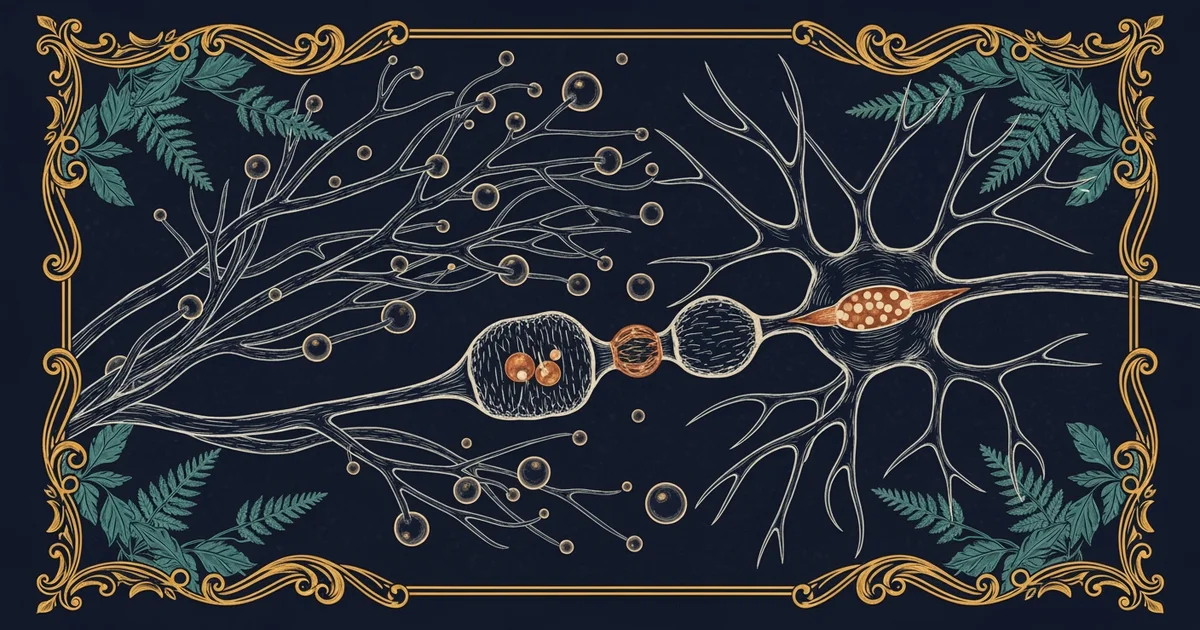
To understand how these invaders succeed, you must first recognize how your neurons communicate across the gaps called synapses. Neurons do not touch each other directly, so they rely on chemical messengers known as neurotransmitters to bridge the divide. When an electrical signal reaches the end of a neuron, it triggers the release of these chemical packets into the synaptic space. These chemicals then dock onto receptors on the next neuron, passing the message forward like a baton in a relay race. Microbes can exploit this system by mimicking these chemicals or blocking the receptors entirely.
Consider the way a dishonest postal worker might swap a letter to change the outcome of a business deal. In a similar fashion, certain pathogens produce molecules that look identical to your natural neurotransmitters but carry different instructions. When the receiving neuron accepts this fake message, it processes the information as if it came from your own body. This leads to altered behavioral patterns because the brain believes it is responding to its own internal needs rather than an external infection. Your neurons are essentially being tricked into performing tasks that benefit the microbe instead of you.
How Pathogens Disrupt Signal Flow
Beyond simply mimicking signals, some pathogens actively manipulate the environment within the synapse to ensure their messages dominate. They might prevent the reuptake of neurotransmitters, which leaves the chemical signals active for much longer than they should be. This creates a state of constant stimulation or suppression that the brain cannot easily correct. By flooding the synapse with extra chemicals, the microbe forces the receiving neuron to stay in a specific state of high alert or total inactivity. This constant noise makes it impossible for your brain to maintain normal, balanced decision-making processes.
Key term: Synaptic interference — the process where foreign pathogens disrupt or mimic chemical signals between neurons to alter host behavior.
To visualize the impact of this interference, consider the following methods microbes often use to hijack your neural control center:
- Competitive binding: The microbe produces molecules that fit into your receptors, preventing your actual neurotransmitters from delivering their intended messages to the brain cells.
- Enzymatic degradation: Certain pathogens release enzymes that break down your natural chemicals before they reach their destination, effectively muting your brain's ability to communicate.
- Over-stimulation: Microbes release chemical analogs that force neurons to fire repeatedly, which exhausts the cell and leads to erratic behavior or sudden mood shifts.
These tactics effectively turn your neural network into a puppet show where the microbe pulls the strings. Because your brain relies on the accuracy of these chemical messages to function, even small changes can result in massive shifts in your personality or physical urges. This is not just a simple sickness, but a fundamental change in how your body processes the world around you. By controlling the flow of information, the microbe gains control over the entire system, ensuring its own survival at the expense of your standard behavior.
Microbes influence host behavior by mimicking or blocking the chemical signals that neurons use to communicate across the synaptic gap.
But what does it look like in practice when these microbes begin talking to the digestive system?