
Pathogen Strategy Summary
Tiny organisms often manipulate their hosts to ensure their own survival across complex biological cycles. These microscopic invaders treat the host body like a corporate takeover, shifting internal resources to meet their specific needs. You might think your daily choices belong entirely to you, but hidden biological pressures often guide your actions. Pathogens achieve this by hijacking the chemistry of the brain, forcing the host to act in ways that benefit the parasite. Understanding these strategies reveals how deeply connected our behavior is to the unseen world of microbial life. We have explored how these agents influence everything from simple movement to complex social decisions.
Evolutionary Tactics for Host Control
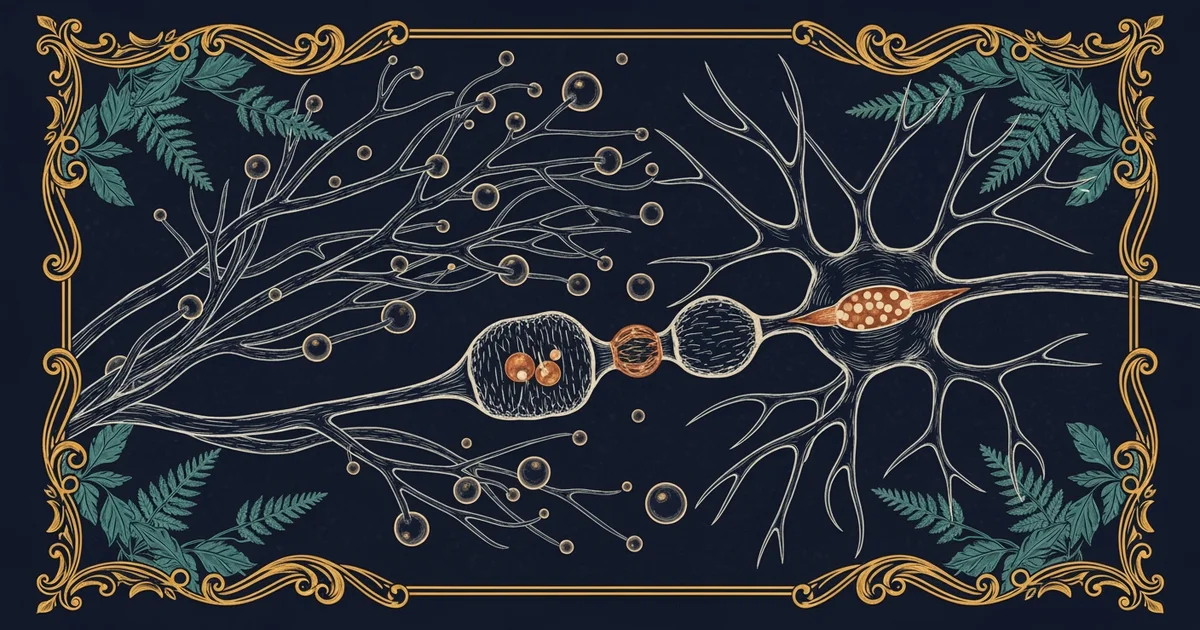
Evolutionary pressure forces pathogens to develop methods that increase their chances of successful transmission to new hosts. These agents do not act with conscious intent, yet they function as if they have a deliberate plan. They often target the chemical messengers that regulate your mood, appetite, and social anxiety levels. By altering these signals, a pathogen can make a host seek out environments where transmission is more likely. Think of this process like a digital hacker who gains access to a secure computer network. The hacker does not need to understand the entire operating system, but they know exactly which commands trigger the desired output. Once the pathogen gains control of the signal pathway, it can force the host to perform tasks that serve the parasite rather than the host's own survival needs.
Key term: Neuroparasitology — the study of how parasites alter the nervous system and behavior of their hosts to increase their own reproductive success.
Pathogens utilize several distinct strategies to maintain this control without alerting the host immune system too quickly. Some microbes act as silent operators, slowly shifting hormone levels over weeks or months to avoid detection. Others act with speed, creating sudden bursts of chemical activity that trigger immediate behavioral changes. The following table highlights common strategies observed in nature across various biological domains:
| Strategy Type | Mechanism | Primary Outcome |
|---|---|---|
| Chemical Mimicry | Producing host-like hormones | Hijacking internal signaling |
| Neural Interference | Blocking receptor sites | Inhibiting normal decision making |
| Resource Diversion | Altering metabolic pathways | Increasing host energy expenditure |
These strategies allow pathogens to persist in environments that would otherwise be hostile to their existence. By subtly adjusting the internal state of the host, the pathogen ensures that its own life cycle continues uninterrupted. This delicate balance between the parasite and the host is what allows these infections to remain hidden for long periods of time.
Integrating Biological and Behavioral Data
Synthesizing our knowledge of these interactions requires looking at how different systems within the body communicate with each other. We previously examined the role of the vagus nerve in carrying information from the gut to the brain. We also looked at how neurotransmitters like dopamine and serotonin shape our emotional responses to external stimuli. When a pathogen enters the system, it does not just affect one organ or one type of cell. Instead, it creates a cascade of changes that ripple through the entire biological network. This systemic approach shows that behavior is not just a product of the brain, but a result of constant feedback between the gut, the endocrine system, and the immune response.
Research into these complex networks remains one of the most active areas in modern biology. Scientists continue to ask how much of our personality is shaped by internal biological guests rather than our own genetic code. While we have mapped many of these pathways, the full extent of microbial influence on human behavior remains a topic of intense scientific debate. The challenge lies in isolating the specific signal of the pathogen from the vast noise of normal human physiology. Future studies will likely focus on how these signals interact with our unique genetic makeup to create different outcomes for different people. Understanding these interactions changes how we view ourselves as biological entities in a world full of microscopic influencers.
Pathogens manipulate host behavior by hijacking the chemical signaling pathways that normally regulate our moods and decision-making processes.
Microscopic organisms influence our daily lives by acting as silent architects of our biological and behavioral choices.
Go Deeper · Amazon
Keep going with Biology Educational
Browse Biology Educational on Amazon ↗As an Amazon Associate we earn from qualifying purchases. #ad