
Disease Ecology
When the Toxoplasma gondii parasite infects a rodent, the animal suddenly loses its natural fear of feline predators. This shift in behavior is not an accident, but a calculated move to ensure the parasite reaches its final host. This is the extended phenotype concept from Station 12 working in real conditions. The parasite does not just survive inside the host, it actively rewires the host to serve its own reproductive needs. By changing how the host interacts with its environment, the pathogen increases its chances of moving through the food chain. This process shows that disease spread is rarely a passive event where germs just wait for contact. Instead, pathogens are active engineers of the ecosystems they inhabit.
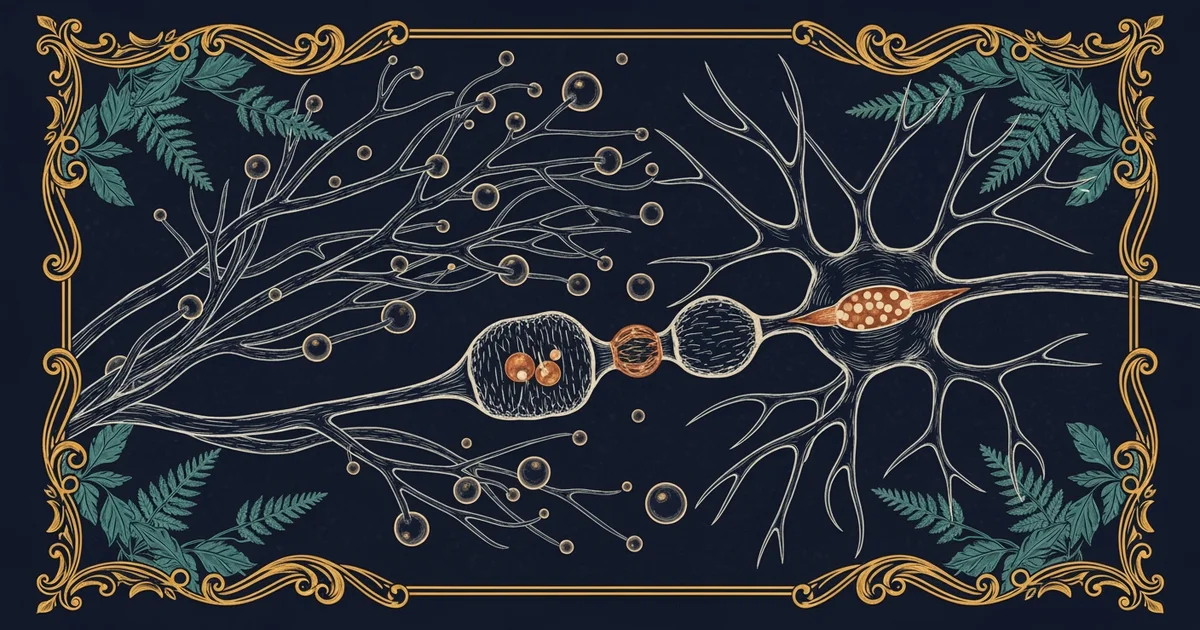
The Mechanics of Behavioral Manipulation
Pathogens influence host actions by targeting the complex chemical signaling systems within the brain and body. They often release specific proteins that alter neurotransmitter levels, which changes how a host perceives danger or social cues. Think of this process like a digital hacker gaining access to a secure computer network to change the login credentials. The hardware of the host remains the same, but the software running the decisions is now controlled by an outside source. This manipulation often results in host behaviors that benefit the pathogen while harming the host. For example, a parasite might force an insect to climb to the top of a plant before it dies. This location ensures that the spores spread over a wider area when the wind blows.
Behavioral changes represent a strategic investment for pathogens that need to move between different types of hosts to complete their life cycles. If a parasite stayed in one host forever, it would die when the host eventually passed away. By forcing the host to move into high-risk areas, the parasite ensures its own survival through transmission. These changes are not random mutations but are highly evolved traits that have been refined over millions of years. The following table highlights how different types of pathogens influence host activity to promote their own spread:
| Pathogen Type | Primary Target | Behavioral Outcome | Transmission Goal |
|---|---|---|---|
| Protozoa | Brain tissue | Reduced fear | Predation by host |
| Fungi | Nervous system | Increased mobility | Spore dispersal |
| Viruses | Social centers | Increased contact | Viral shedding |
Ecological Impacts of Disease Spread
When pathogens alter host behavior, they create ripple effects that change the structure of entire biological communities. These shifts are known as disease ecology, which studies how infectious agents shape the interactions between species in an environment. If a parasite makes a prey animal less cautious, the local predator population might see a temporary boom in food availability. This change alters the balance of power between species and shifts the competitive landscape of the habitat. The parasite essentially acts as a puppet master that pulls the strings of the entire food web.
Key term: Disease ecology — the study of how pathogens influence the interactions, survival, and distribution of organisms within a natural ecosystem.
This ecological influence extends beyond simple predation to include social structures and mating habits within a population. Some pathogens force hosts to seek out others, which increases the density of the population and creates new opportunities for infection. This creates a feedback loop where the disease promotes its own spread by making the host more social. These patterns are essential for scientists to understand if they want to predict how outbreaks move through a landscape. By mapping these behavioral triggers, researchers can identify the specific moments when a pathogen is most likely to jump to a new victim.
Pathogens function as active ecological agents that manipulate host behavior to ensure their own survival and transmission across the food web.
But this model breaks down when we consider how human technology and global travel disrupt the natural barriers that once limited these biological interactions.