
Climb Performance
When a pilot pushes the throttle forward to initiate a steep takeoff, the aircraft must overcome the constant pull of gravity. This process requires a precise balance of forces to ensure the machine gains altitude without stalling. Much like a delivery driver managing fuel costs while climbing a steep mountain road, an aircraft pilot must carefully balance engine power against the weight of the vehicle to reach a target altitude efficiently. This is the practical application of the climb performance concept first introduced in our earlier look at aerodynamic forces.
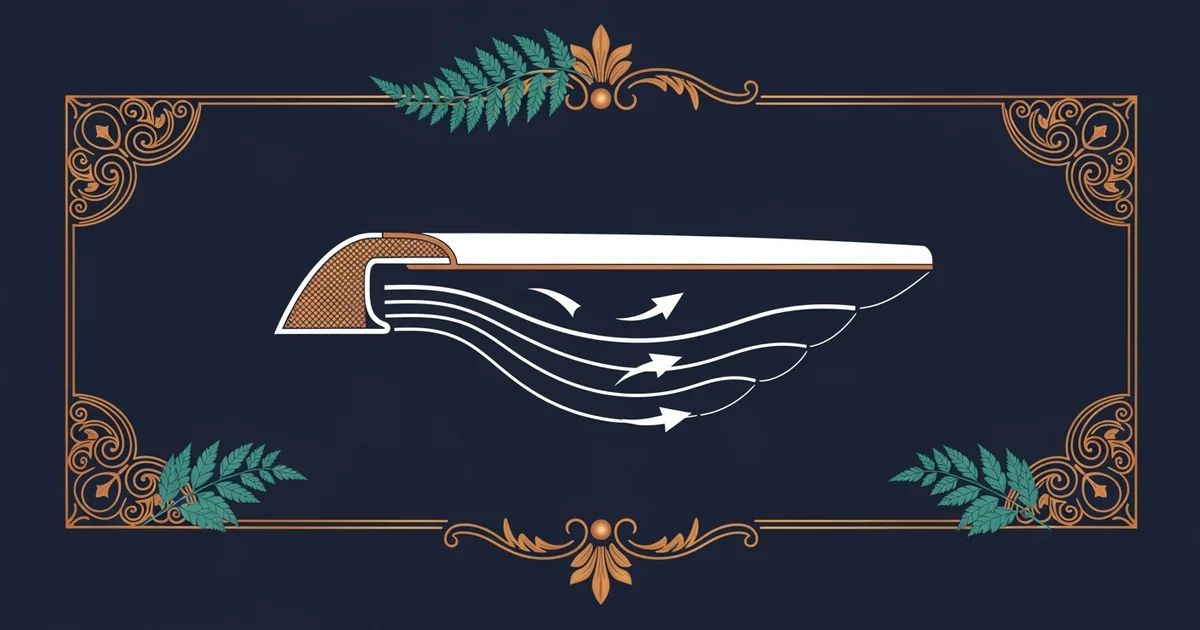
Balancing Forces for Vertical Motion
To move upward, an aircraft must generate more lift than its total weight. The engine provides the thrust needed to maintain the airspeed required for this lift production. If the pilot increases the angle of attack too sharply, the aircraft gains altitude rapidly but risks losing the forward speed necessary to keep the air flowing smoothly over the wings. Pilots must manage the excess power available, which is the difference between the power required for level flight and the total power the engine can produce. By using this extra energy, the pilot converts chemical fuel into potential energy by increasing the altitude of the flight path.
Key term: Excess power — the surplus of engine thrust beyond what is needed to maintain level flight at a specific speed.
Calculating the climb rate involves looking at the ratio between the weight of the aircraft and the thrust produced. If the thrust is high, the aircraft can climb at a steeper angle. If the thrust is low, the aircraft must maintain a shallower climb to avoid a dangerous drop in airspeed. This relationship shows that climb performance is not just about raw power but about how effectively that power is used. Pilots often use a specific speed, known as the best rate of climb speed, to ensure they gain the most altitude in the least amount of time.
Optimizing the Climb Profile
Efficiency during a climb depends on finding the right balance between speed and angle. When an aircraft climbs, it faces two primary types of drag that oppose its upward movement. The following table highlights how different flight conditions affect the overall climb capability of a standard aircraft:
| Condition | Thrust Required | Climb Angle | Airspeed |
|---|---|---|---|
| Best Rate | Moderate | Medium | High |
| Best Angle | High | Steep | Low |
| Level Flight | Low | Zero | Cruise |
Choosing the right profile is critical for safety and fuel management. The best angle of climb is used when a pilot needs to clear an obstacle like a mountain quickly. In contrast, the best rate of climb is used to reach cruising altitude as fast as possible to save fuel. Pilots must constantly monitor their instruments to ensure they stay within these safe parameters. If the airspeed drops too low during a steep climb, the wings lose their ability to generate lift, which can lead to a stall. Every pilot learns to respect these limits to maintain control of the aircraft during the high-demand phase of departure.
Managing the climb is essentially an exercise in energy budgeting. Just as a business owner must decide how to allocate a limited budget for maximum growth, a pilot allocates engine power for maximum altitude gain. If the pilot spends all the power on a steep angle, they sacrifice speed. If they spend all the power on speed, they sacrifice the rate of climb. Finding the optimal mix requires understanding the physics of the specific aircraft being flown. This ensures the flight remains safe while reaching the desired destination efficiently.
Climb performance is the strategic use of surplus engine power to convert forward motion into altitude gain while maintaining safe aerodynamic control.
But this model of climb performance relies on steady air, and it becomes much more complex when the aircraft encounters unpredictable atmospheric currents during the transition to higher altitudes.