
Defining Swarm Robotics
Introduction to Swarm Robotics
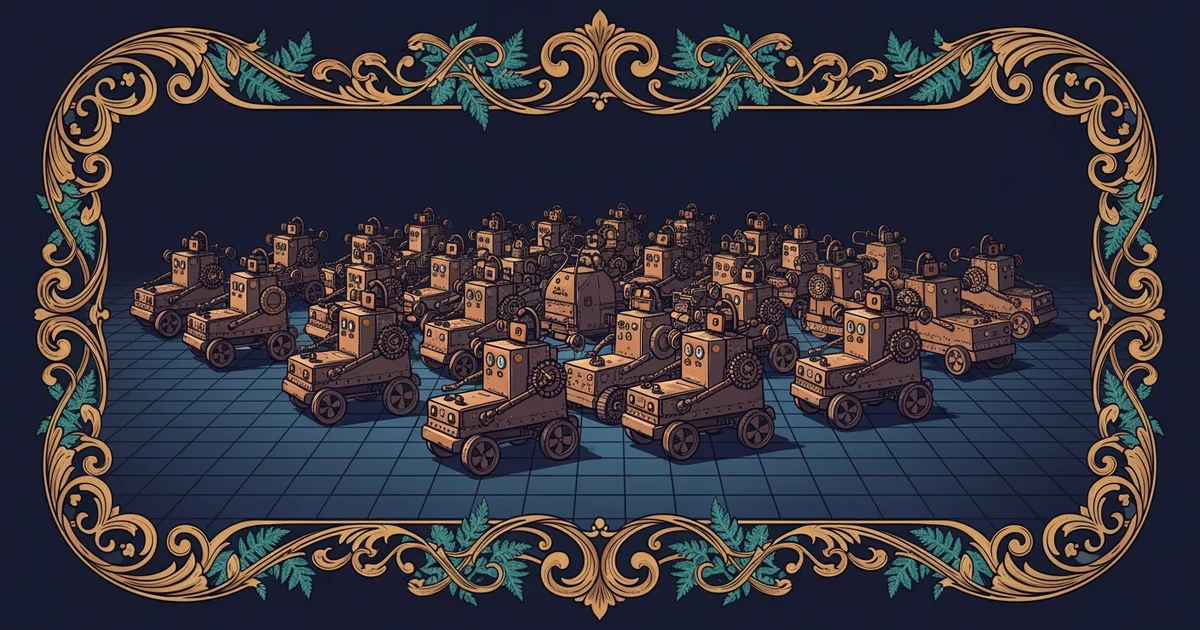
Swarm robotics is a new field that focuses on large groups of small robots. These robots work together to solve difficult tasks that one robot cannot do. The goal is to create systems that act like natural groups of animals. Think of how ants find food or how birds fly in a flock. They do not have a single leader telling them what to do. Instead, every robot follows simple rules to interact with its nearby neighbors. This creates a smart group behavior that we call swarm intelligence.
The Power of Decentralization
Most traditional robots need a central computer to give them clear orders. If that central computer fails, the whole system stops working very quickly. Swarm robots avoid this problem by using a decentralized control system for tasks. Each robot makes its own decisions based on what it sees nearby. This makes the entire swarm very strong and flexible for many jobs. If one robot breaks, the rest of the group keeps working fine. This is why engineers are excited about using swarms for complex tasks.
Understanding Emergent Behavior
Emergent behavior happens when simple parts interact to form a complex global pattern. You can see this in nature when thousands of fish swim together. No single fish controls the direction of the entire moving group. Instead, every fish follows its neighbor to stay safe and efficient. In robotics, we copy this by giving each unit basic movement rules. When you put many units together, they form shapes or search patterns. These patterns emerge from the bottom up rather than the top down.
Core Communication Methods
Robots in a swarm must talk to each other to stay coordinated. They use sensors like infrared light or radio waves to share data. This communication is usually limited to robots that are very close by. By sharing information locally, the group can spread data across the whole swarm. This allows the group to react to changes in the environment very fast. Efficient local communication is the secret to making large groups act as one.
Illustration of Swarm Logic
To understand how these rules work, consider this simple logic for a swarm. Each robot follows three basic rules to maintain its position in the group. These rules help the swarm stay together without ever crashing into each other.
Rule 1: Separation - Move away from neighbors that are too close.
Rule 2: Alignment - Match the velocity of neighbors in the group.
Rule 3: Cohesion - Steer toward the average position of local neighbors.
∎
These rules allow the group to move like a liquid across a surface. By changing these rules, engineers can make the swarm form different shapes. This shows how math helps us control the behavior of large robotic groups.
Why Swarm Robotics Matters
This technology matters because it solves problems that are too big for humans. We can send swarms into disaster zones to search for missing people. We can also use them to monitor the air quality in large cities. Because they are small and cheap, we can deploy them in large numbers. This makes them perfect for tasks that are dangerous or hard to reach. Swarm robotics represents a major shift in how we approach difficult engineering challenges.
Designing for the Future
Designing a swarm requires thinking about the group rather than the individual. Engineers must balance the needs of the unit with the goal of the swarm. This requires careful testing in simulations before building the real hardware units. As technology gets better, these swarms will become even more capable and useful. We are just beginning to see how these systems will change our world. Learning about them now prepares you for the next wave of automation.
Summary of Key Points
We have covered the basics of how swarms function as a team. Remember that decentralized control and local communication are the most important parts. These systems rely on simple rules to create complex and helpful group behavior. As you continue, you will learn how to apply these concepts in practice. The field of swarm robotics is a perfect mix of biology and engineering. Keep these core ideas in mind as you explore the next training stations.