
Global Conservation Strategies
Isolated islands often face extreme threats because their unique species cannot escape environmental changes or invasive predators. Protecting these fragile ecosystems requires a global perspective that balances local needs with international cooperation. How do we ensure that these remote biological treasures survive the pressures of a modern, interconnected world? We must move beyond simple preservation by creating active, adaptive strategies that address both physical geography and human impact. Think of an island like a small, private bank account where the balance of life is strictly limited by the available space and resources. If you withdraw too much without adding new deposits, the account eventually goes bankrupt and collapses entirely.
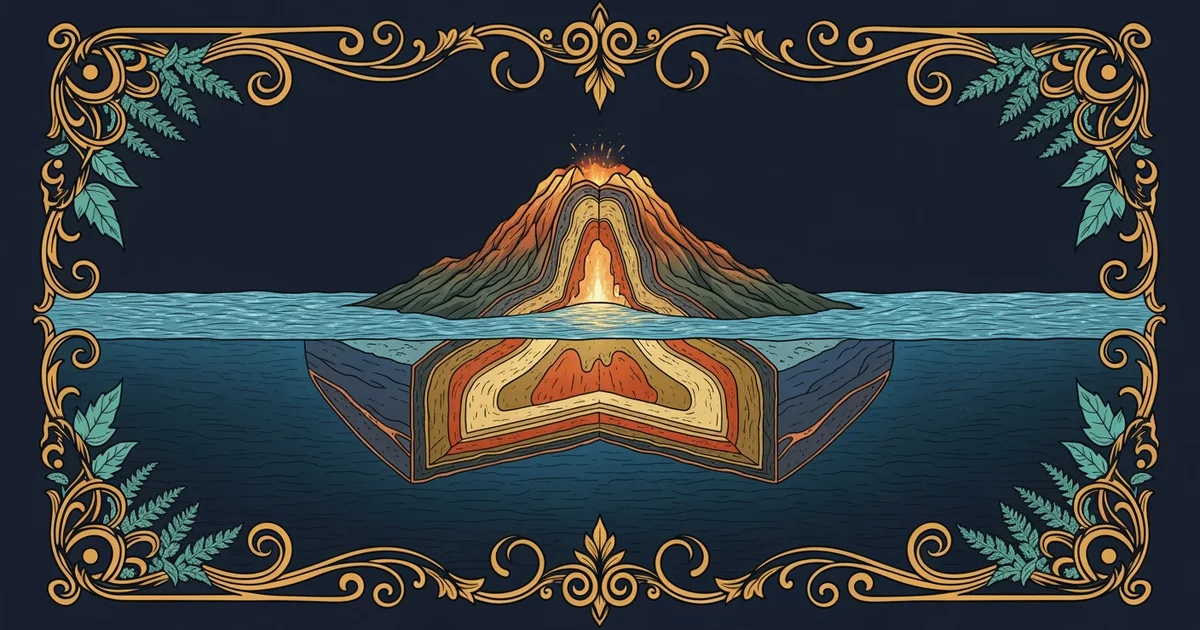
Designing Effective Preservation Frameworks
Effective conservation strategies require a holistic approach that integrates local community knowledge with advanced scientific monitoring tools. We must recognize that islands are not just isolated rocks but are active hubs of evolutionary experimentation. By mapping critical habitats, we can identify which areas require immediate protection to prevent total species loss. These frameworks should prioritize the restoration of native flora while simultaneously managing the spread of non-native species that threaten local balance. Successful management relies on consistent data collection that informs policy decisions in real time. This process ensures that limited funding is directed toward the most vulnerable sites rather than being spread too thinly across less critical areas.
Key term: Biodiversity — the wide variety of life found in a particular habitat or on an entire planet.
To manage these complex systems, we categorize our strategies based on their primary function and the specific needs of the island environment. We must look at how these methods interact to create a stable, long-term safety net for wildlife:
- Habitat restoration involves removing invasive plants and replanting native species to rebuild the natural food web that existed before human interference.
- Community-led monitoring empowers local residents to act as stewards of their own land by using simple tools to track population changes in key species.
- Marine protected zones act as buffers that prevent overfishing and industrial damage, allowing coastal ecosystems to recover from external human pressures over time.
Integrating Global Policy and Local Action
Integrating these strategies into a global policy requires us to reconcile the findings from our previous studies on future geography projections. We know that rising sea levels will shrink available land, so our conservation plans must account for shifting shorelines and changing climate patterns. This means protecting inland corridors that allow species to migrate as their coastal habitats disappear under the rising tides. When we compare different island types, we see that management needs vary significantly based on size, elevation, and distance from the mainland.
| Island Type | Primary Threat | Main Strategy | Implementation |
|---|---|---|---|
| Low Atoll | Rising seas | Managed retreat | Long-term planning |
| Volcanic | Invasive pests | Eradication | Targeted action |
| Remote | Human impact | Strict access | Policy control |
This table illustrates how specific threats dictate our conservation choices. For instance, a low-lying atoll requires a different approach than a high-elevation volcanic island because the physical risks are fundamentally different. By applying these tailored methods, we can preserve the unique evolutionary heritage that defines island geography. We must also remember that these strategies are not static; they must evolve alongside the environment to remain relevant as our planet continues to change in unpredictable ways. The future of island life depends on our ability to adapt our conservation frameworks to meet these shifting physical realities while keeping local communities at the heart of every decision we make.
Preserving island heritage requires balancing localized ecological restoration with global policy shifts to ensure species can adapt to a changing planet.
Protecting these isolated landmasses is essential for maintaining the diversity of life on Earth and understanding the patterns of our planet.