
Island Biogeography Theory
Imagine a tiny, lonely island sitting in the middle of a vast and empty blue ocean. How do plants and animals ever reach such a remote place to start a new population? This mystery drives the study of Island Biogeography, a field that looks at why some islands have many species while others remain empty. Scientists found that the number of species on an island depends on a balance between how many new species arrive and how many species die out over time.
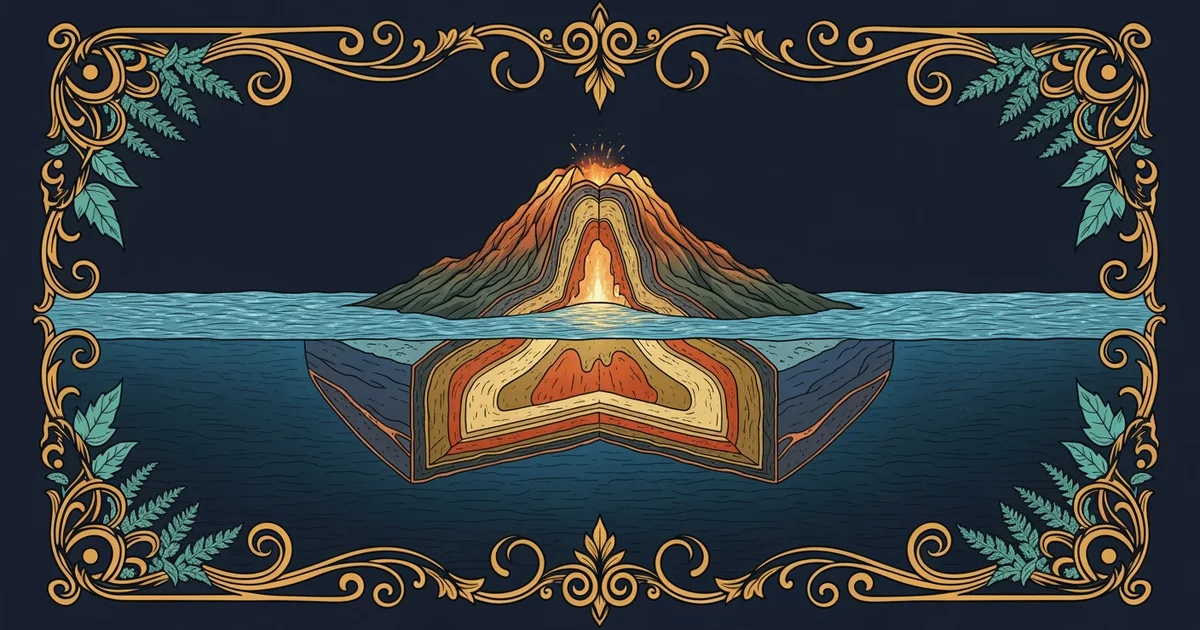
The Dynamics of Island Colonization
When we think about how islands get their life, we must look at the distance from the mainland. Think of an island like a small business trying to attract new customers from a busy city. If the business sits right next to the city center, it receives a steady stream of visitors every single day. If that same business moves to a remote desert, fewer people will make the long journey to find it. Islands close to the mainland gain new species much faster than islands located far away in the deep ocean.
Key term: Colonization — the process where a species arrives at a new habitat and begins to establish a stable, reproducing population.
Once species arrive, they must survive in their new home. Small islands have limited resources, which makes it harder for many different species to live there at once. A large island acts like a massive warehouse with plenty of room for many different departments. A small island acts like a tiny kiosk with space for only a few items. Because large islands offer more space and diverse environments, they can support more total species than small islands can.
Balancing Arrival and Extinction Rates
Nature maintains a steady state through a constant tug of war between two main forces. We call this process the equilibrium of species richness, where the number of arrivals equals the number of local extinctions. If the arrival rate is high, the island gains species quickly. If the extinction rate is high, the island loses species just as fast. The size of the island and its distance from the mainland determine where this balance point lands for any specific location.
We can compare how these factors influence the total number of species found on different types of islands:
| Island Type | Arrival Rate | Extinction Rate | Expected Richness |
|---|---|---|---|
| Near & Large | Very High | Very Low | Highest |
| Near & Small | High | High | Moderate |
| Far & Large | Low | Low | Moderate |
| Far & Small | Very Low | Very High | Lowest |
Small islands far from the mainland face the toughest conditions for life. They receive very few visitors because of the long travel distance. They also suffer from higher extinction rates because they lack the room for large populations to hide from disasters. This combination leads to fewer species compared to larger islands that sit closer to the mainland source.
Understanding these patterns helps us predict how life changes when habitats become isolated. Whether we look at a literal island in the sea or a forest patch surrounded by human cities, the rules remain the same. The size of the habitat and the distance to the source determine the variety of life that can thrive there. By applying these concepts, we see that isolation acts as a filter for biodiversity across our entire planet.
The number of species on an isolated island is a dynamic balance determined by the island size and its distance from the mainland source.
The next Station introduces Atoll Formation Cycles, which determines how volcanic islands change shape over time.