
Endemic Species Evolution
Imagine a small island where the local birds have evolved heavy, sturdy beaks to crack open tough seeds found on the forest floor. If these birds suddenly found themselves on a mainland with diverse food sources, their specialized beaks might actually prevent them from competing with the more agile, generalist species found there.
The Mechanism of Biological Isolation
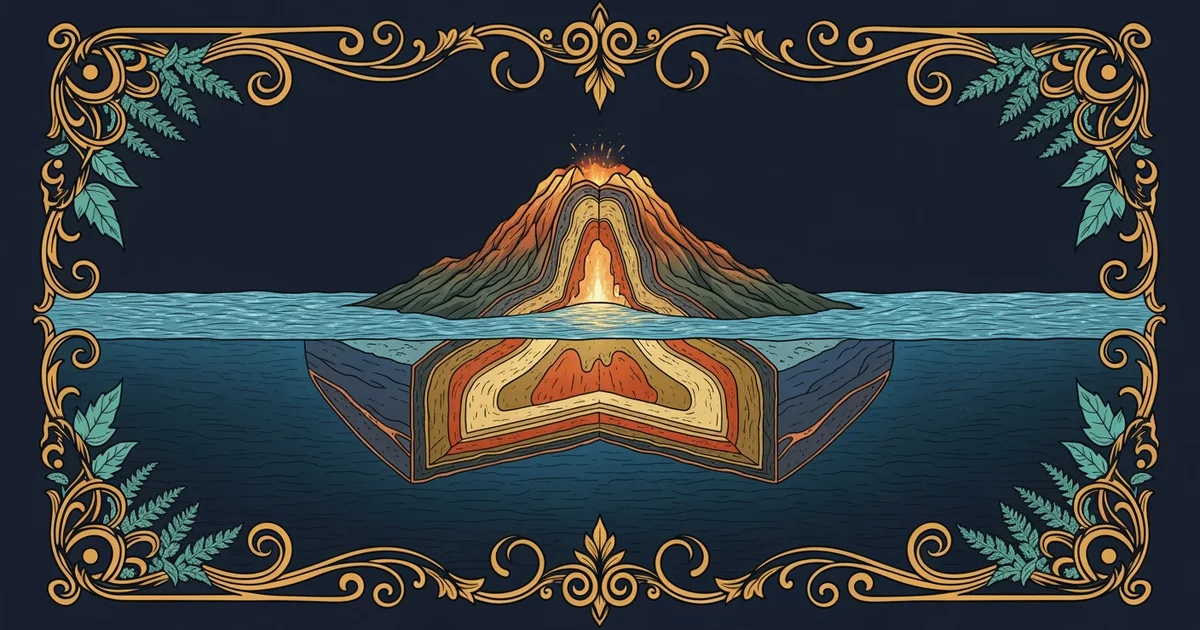
When a group of organisms becomes separated from their original population by vast stretches of open water, they enter a state of biological isolation. This physical separation acts like a filter, preventing the exchange of genetic material with the larger mainland group. Over many generations, the island population begins to change because they only breed with each other, rather than with the broader ancestral pool. This process, known as allopatric speciation, allows unique traits to accumulate within the isolated group. Because the island environment is often simpler than the mainland, these organisms must adapt to a very specific set of ecological pressures. If a mutation provides a slight advantage for surviving on the island, that trait spreads rapidly through the small population. Think of this like a small business starting in a remote town with no outside competition, where the owner must invent unique services to satisfy the specific needs of local customers. In this scenario, the business becomes highly specialized to its location, just as island species evolve to fit their narrow niches.
Drivers of Genetic Divergence
Once a species is trapped on an island, the path toward becoming a distinct entity accelerates due to limited resources and unique predatory pressures. The lack of traditional mainland predators often leads to the loss of defensive traits, such as flight in birds or the ability to run quickly. This phenomenon, which biologists call island syndrome, highlights how the absence of danger changes the evolutionary trajectory of a species. The following factors contribute to these rapid changes in island populations:
- Genetic drift occurs when random chance causes certain traits to become dominant, even if they do not provide a specific survival advantage, simply because the starting population is so small.
- Founder effects happen when the few individuals that first arrive on an island carry only a small fraction of the total genetic variety of their original species.
- Ecological release allows species to expand into new niches because the competitors that normally keep their population size in check are completely absent from the island.
These drivers ensure that the island population drifts further away from its ancestors with every passing generation. The genetic distance grows until the island inhabitants can no longer interbreed with the mainland group, even if they were to meet again. This final step marks the formal birth of a new, unique species that exists nowhere else on the planet.
Key term: Endemic — a species that is found naturally in only one specific geographic location and nowhere else on Earth.
Because island environments are inherently fragile, they act as living laboratories for observing how quickly life can change when it is cut off from the rest of the world. The scarcity of resources forces organisms to find creative ways to survive, leading to the bizarre and wonderful forms we see today. Whether it is a giant tortoise or a flightless moth, these creatures represent the extreme results of long-term isolation. By studying their DNA, we can trace the history of their arrival and the specific pressures that shaped their current forms. This ongoing process of divergence reveals the raw power of geography in directing the course of evolution across our planet.
Isolated environments force species to adapt to narrow ecological niches, which eventually causes them to evolve into entirely new and unique life forms.
But what does this process of genetic divergence look like when the landmass itself begins to shift and move over millions of years?
Want this with sources you can check?
Premium Learning Paths for Earth Sciences & Geography are researched against open-access libraries — PubMed, arXiv, government databases, and more — with their distinctive claims cited to real sources and independently checked.
See what Premium includes