
Future Geography Projections
Rising ocean levels act like a slow-moving flood that threatens to erase the unique homes of island species forever. As global temperatures climb, the physical boundaries of these isolated worlds shift and shrink beneath the waves.
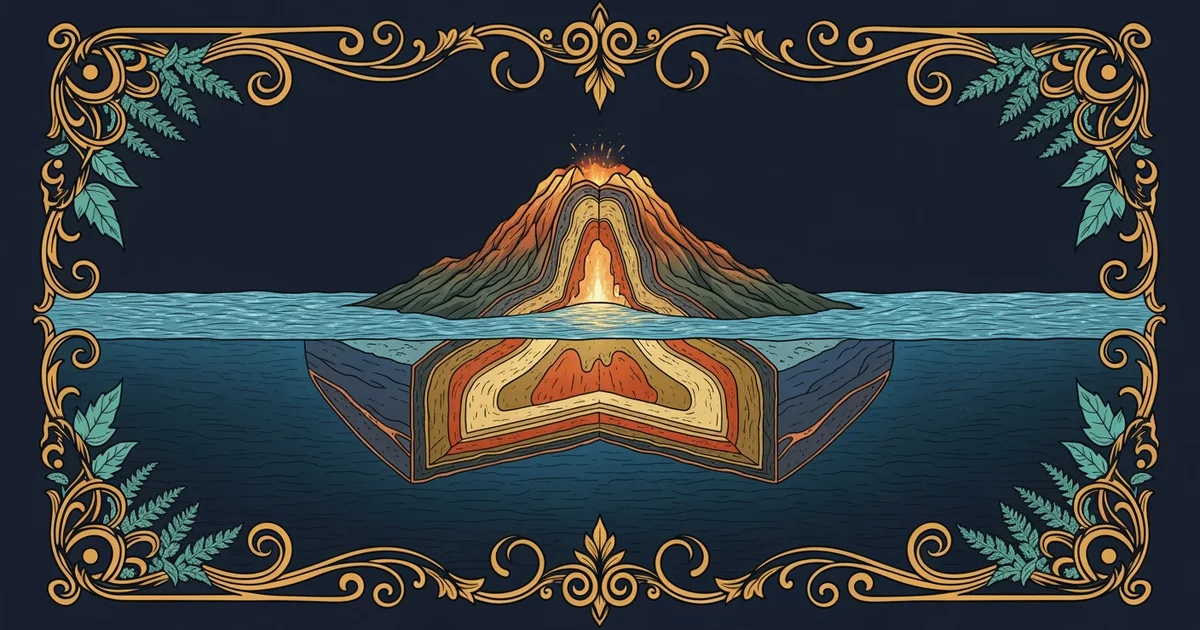
Future Shifts in Island Landscapes
Geological stability is no longer a given for many remote regions across our warming planet. When ice sheets melt into the sea, the resulting rise in water levels directly consumes low-lying coastal land. This process acts like a tightening belt on an island, forcing all living things into a smaller space. Competition for resources increases as the habitable zone contracts, putting heavy pressure on local ecosystems. We previously explored how invasive species impact these delicate areas, but climate change adds a new layer of complexity. When an island shrinks, the native species have nowhere to retreat, which often leads to rapid population declines. This creates a high-stakes scenario where geological survival and biological health become deeply intertwined. Scientists monitor these changes by looking at how past sea levels influenced historical land bridges and current island shapes. By applying these lessons to future climate models, we can better predict which islands face the greatest risk of total submergence.
Key term: Eustatic sea-level rise — the global increase in ocean volume caused by melting glaciers and the thermal expansion of warming seawater.
Predicting the survival of these landmasses requires us to synthesize data from multiple scientific fields. We must look at the rate of tectonic uplift, which pushes land upward, against the rate of ocean rise, which pulls land down. If an island remains geologically active, it might resist the rising tides for a longer period. However, many volcanic islands are slowly sinking as they move away from their original heat sources. This creates a race against time where the geography itself is in constant flux. The following table highlights how different island types respond to these environmental pressures over the coming decades:
| Island Type | Primary Risk | Resilience Factor | Long-term Outlook |
|---|---|---|---|
| Atoll | Total Inundation | Coral growth rates | Very low survival |
| Volcanic | Coastal Erosion | Tectonic uplift | Moderate survival |
| Continental | Habitat Loss | Large land mass | High survival |
The Synthesis of Geography and Survival
Understanding the future of island geography forces us to integrate our knowledge of physical earth patterns with biological evolution. We must ask ourselves if isolated landmasses can maintain their unique biodiversity when their physical foundations become unstable. This question challenges the idea of islands as permanent fixtures, suggesting instead that they are temporary stages for life. The tension between rising seas and fixed land creates a dynamic, if precarious, environment for all inhabitants. If an island loses too much surface area, the complex food webs we studied earlier will likely collapse due to lack of space. This synthesis of geological and climate data helps us see the bigger picture of our planet's future. It reveals that the survival of island life depends as much on the stability of the ocean floor as it does on the protection of the land above it. As we look ahead, we must consider how these geographic shifts will fundamentally alter the map of our world.
The long-term survival of isolated islands depends on the balance between rising global sea levels and the natural geological processes that elevate or sink the land.
Global conservation strategies must now account for these shifting physical boundaries to ensure the continued protection of island biodiversity.