
Timeframes of Erosion
Imagine you are trying to carve a intricate sculpture out of a giant mountain using only a tiny, slow-dripping straw. This is exactly how nature manages to hollow out massive cave systems over millions of years of steady, patient work.
The Gradual Pace of Geological Change
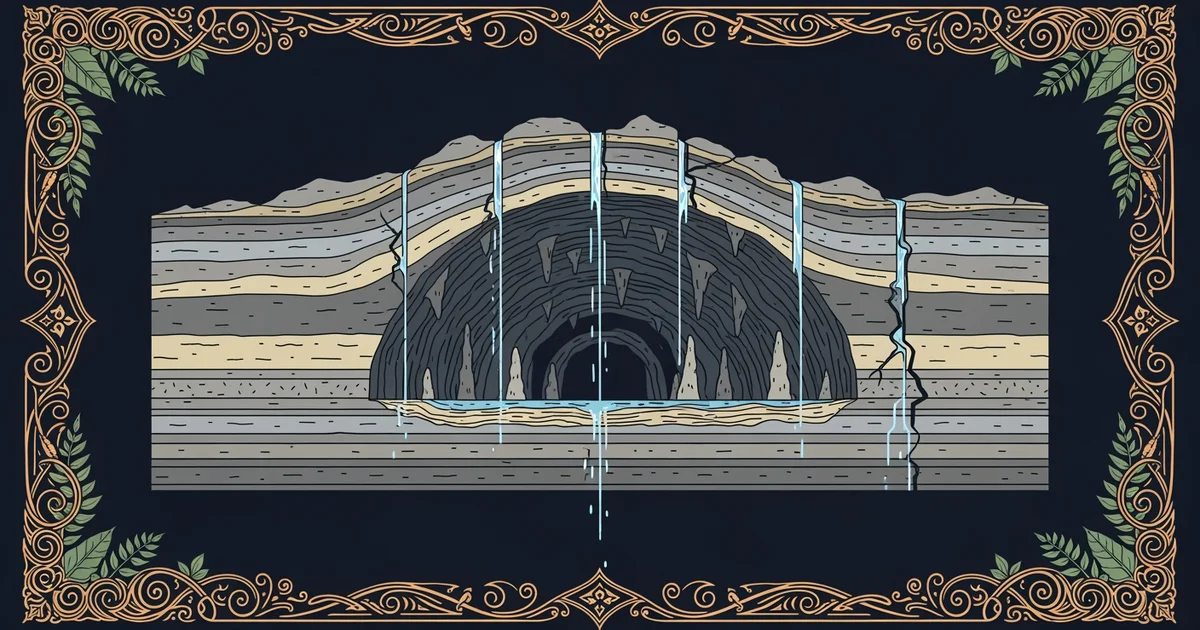
Most people view the earth as a solid, unchanging foundation beneath their feet, but this is a major misunderstanding of how our planet functions. The process of speleogenesis, which describes the creation of caves, operates on a timescale that is nearly impossible for humans to visualize clearly. While we measure our own lives in decades, the earth measures the growth of a single cave passage in millions of years. Water acts as the primary tool in this slow construction project, slowly dissolving rock minerals one tiny layer at a time. This process is not sudden or explosive, but rather an incredibly persistent movement that requires vast amounts of patience and time.
Think of the formation of a cave like building a massive bank account through tiny, daily deposits of spare change. If you add just a few cents to a jar every single day, you will eventually have a fortune, but you will not notice the growth from one week to the next. Similarly, the acidic water that creates caves works like a slow, steady investment in the earth’s crust. It takes an immense amount of time for these tiny deposits of change to turn into a vast, empty vault deep underground. Without this long-term commitment of time, the rock would remain solid and nothing would ever hollow out beneath us.
Factors Influencing Erosion Speed
Several different environmental conditions determine how fast or how slow a cave system will eventually develop. The hardness of the rock, the amount of rainfall in the area, and the temperature of the water all play a massive role in the final outcome. Some areas might develop small tunnels in a few hundred thousand years, while others require much longer periods of time to show any significant structural change. We can compare the different speeds of cave formation by looking at how various environmental factors interact with the underlying stone layers.
| Environmental Factor | Impact on Erosion Speed | Resulting Cave Growth |
|---|---|---|
| High Rainfall | Accelerates chemical flow | Rapid tunnel creation |
| Dense Rock Layers | Slows down penetration | Slower, narrow spaces |
| Warm Temperatures | Increases acid reaction | Faster mineral removal |
Key term: Karst topography — a landscape formed from the dissolution of soluble rocks such as limestone, dolomite, and gypsum.
Because karst topography relies on the chemical breakdown of rock, the speed of erosion is strictly limited by the chemistry of the local water. If the water is not acidic enough, the rock will not dissolve, and the cave will simply stop growing. This means that even if the water flows for millions of years, the cave will only expand if the chemical conditions remain perfect for that specific type of stone. It is a delicate balance between the physical force of the water and the chemical makeup of the ground itself.
Every cave system we see today is essentially a frozen snapshot of a process that is still happening right now. We are simply observing a very small slice of a much longer timeline that started long before humans existed. Understanding this timeframe helps us appreciate that the ground is constantly changing, even if we cannot see the movement with our own eyes. The hidden worlds beneath us are the result of millions of years of hidden work, proving that even the smallest forces can move mountains if they are given enough time to do their job.
Cave systems represent the final result of millions of years of chemical erosion where tiny, consistent actions eventually create massive, empty spaces within solid rock.
The next Station introduces speleothem growth mechanics, which determines how the water that carved these caves eventually creates the beautiful mineral decorations found inside them.