
The Future of Creativity
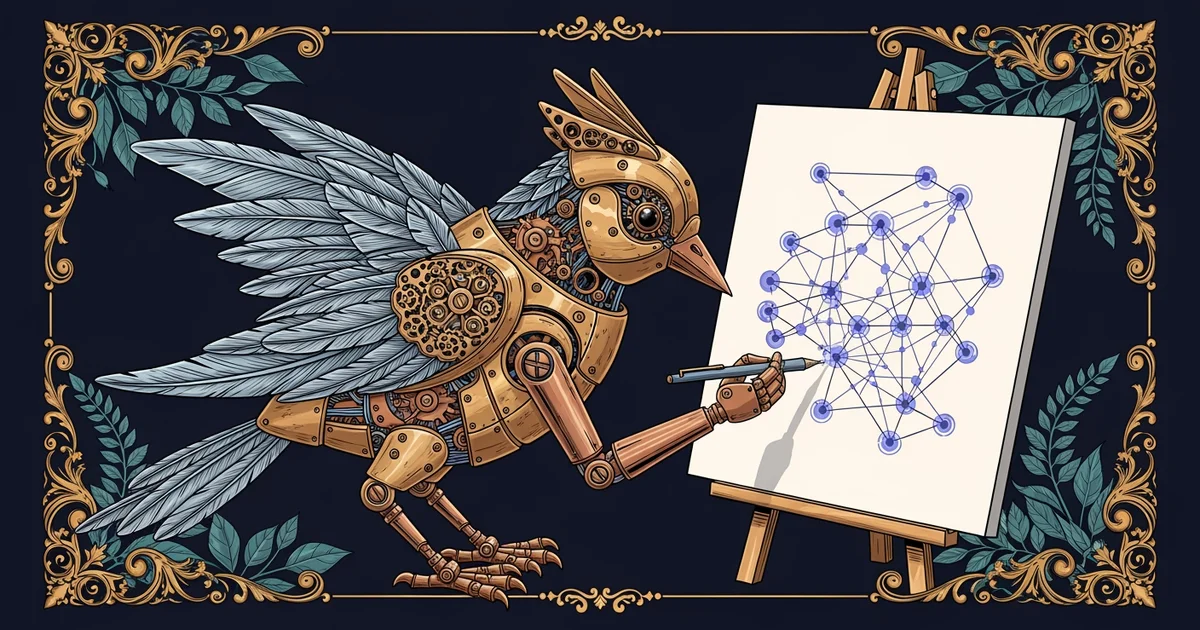
Imagine a blank canvas waiting for a brush, yet the artist is a complex machine learning model. This scenario highlights a tension between human intent and machine execution in the digital age. Computers now generate art, music, and writing, but we must ask if these systems truly create or simply mimic patterns. By examining the trajectory of Computational Creativity, we can better understand how human and machine roles might shift in the coming decades. This exploration builds on our earlier look at collaborative systems and the nature of artistic intent.
The Evolution of Generative Systems
Computers have moved beyond simple data processing to become active participants in the creative process. Early systems followed rigid rules, but modern architectures now learn from vast datasets to produce novel outputs. Think of this process like a chef who learns to cook by tasting thousands of diverse dishes rather than following one recipe. The machine identifies patterns in flavor and texture, then combines these elements in new ways to create a unique meal. This ability to synthesize information allows for rapid experimentation that would take humans years to complete alone. As these systems improve, they do not replace the artist but rather offer a new set of powerful tools.
Key term: Generative AI — a type of machine learning that produces new content like images or text by identifying patterns in existing data.
When we consider the future, the integration of these tools into daily workflows seems inevitable for many creative fields. We can categorize the potential impact of these advancements across three primary areas of development:
- Automated drafting allows creators to generate initial concepts rapidly, which saves significant time during the brainstorming phase of complex projects.
- Enhanced personalization enables systems to tailor artistic outputs to specific individual preferences, creating a unique experience for every single user.
- Collaborative refinement creates a loop where humans and machines iterate together, pushing the boundaries of what is possible through shared feedback.
Navigating the Future of Artistic Intent
Returning to our foundation question, we must consider whether a machine can possess true intent. While a computer can follow complex instructions to output an image, it lacks the lived experience that often defines human art. A machine does not feel joy or sorrow, yet it can simulate these emotions by analyzing how humans express them in their own creative works. This leads to a fascinating paradox where the viewer projects meaning onto the machine output, even if the machine itself had no conscious goal. The future of this field may rely on how we balance machine efficiency with the raw, emotional depth that only humans provide.
| Feature | Human Creator | Generative AI | Future Hybrid Model |
|---|---|---|---|
| Intent | Innate | Simulated | Collaborative |
| Speed | Slow | Fast | Adaptive |
| Depth | High | Variable | Optimized |
As we look ahead, we must address the open question of authorship in a world where machines contribute so much to the final product. If a human provides the prompt and the machine builds the structure, who is the true owner of the work? This tension between human guidance and machine autonomy remains the most significant hurdle for researchers today. We are moving toward a synthesis where the computer acts as a partner, not just a tool, changing how we define the very act of creation. By embracing this shift, we can unlock new forms of expression that were previously impossible to imagine or execute alone.
True creativity in the future will likely emerge from a partnership where human intent directs the immense processing power of machine learning systems.
Our final synthesis project will require you to apply these concepts to design a unique human-AI creative workflow.