
Neural Style Transfer
Imagine you want to paint a portrait but you lack the skill to replicate a specific artist. You could hire a master painter to teach you, but that takes years of practice and deep study. Modern computer science offers a faster way to achieve this through a process that blends two separate digital images. You provide a photo and a painting, and the machine merges them into one new creation. This process transforms your simple photo into a masterpiece that keeps your original shapes intact. It essentially copies the visual texture of the painting and applies it to your base image. You are not just applying a basic filter, but teaching a computer to understand complex art styles. This method relies on deep learning to separate the content from the artistic flair of an image.
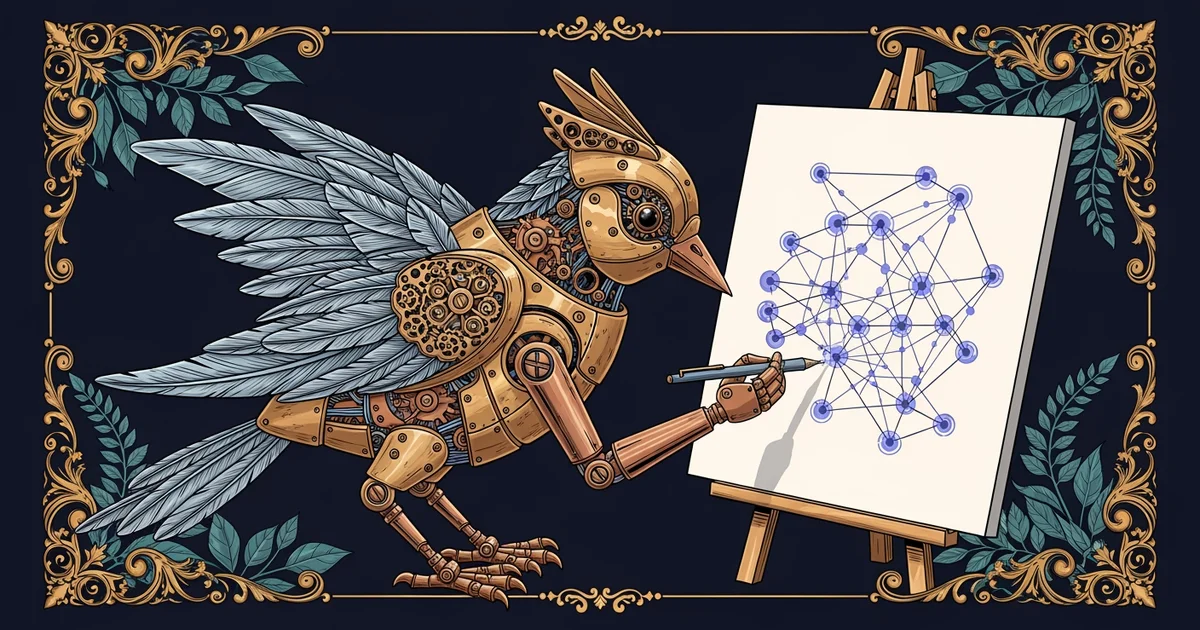
Understanding Feature Extraction
To perform this task, the computer must first break down the images into manageable digital components. It uses a network of layers to look at your photo and identify the core subjects. The early layers identify simple things like lines, edges, and basic geometric shapes in the scene. As the data moves deeper, the network identifies complex structures like eyes, buildings, or tree branches. This is similar to how a chef breaks down a complex dish into simple ingredients like salt, heat, and fat. By understanding these parts, the system knows exactly what your photo contains without losing the main subject. The computer then stores this information as a map of content, which acts as the foundation for the final image. Without this map, the computer would lose the identity of your photo during the style application process.
Once the content map is ready, the computer begins to analyze the style of your chosen painting. It looks for patterns of color, brush strokes, and textures that define the unique look of that artist. This is where the system identifies how the light hits the canvas or how thick the paint looks. The style is not about what is in the painting, but how the artist uses visual elements.
Key term: Neural Style Transfer — a computational technique that separates the content of one image from the style of another to create a new, blended image.
Think of this like an interior designer who takes the layout of a room and applies a specific theme. The layout remains the same, but the colors and textures change to match the desired artistic aesthetic. The computer uses a loss function to measure how well the new image matches both the content and the style. It constantly adjusts the pixels until the result looks like the content with the artistic flair applied.
Comparing Style and Content Features
It helps to see how the system treats these two distinct types of visual information during processing. The system must balance these two needs to ensure the final output remains both recognizable and beautiful.
| Feature Type | Primary Purpose | What the System Tracks |
|---|---|---|
| Content | Preserving identity | Shapes, objects, and overall scene structure |
| Style | Applying aesthetic | Brush strokes, color palettes, and textures |
| Combined | Final synthesis | The total visual harmony of the new image |
By keeping these tracks separate, the computer can apply the style without destroying the subject of your photo. If the system focused only on the style, your portrait would look like a random collection of paint splatters. If it focused only on the content, you would simply have a standard, unedited digital photograph. The magic happens in the middle ground where the math balances these two competing visual requirements. This balance is what makes the output feel like a genuine artistic collaboration between the user and the software. The computer essentially learns to paint by mimicking the visual patterns it finds in your selected masterpiece. This process shows that computers can manipulate art by following complex instructions about visual data and patterns.
Neural Style Transfer allows computers to synthesize artistic aesthetics by mathematically separating the core subject matter from the texture and color patterns of a reference image.
The next Station introduces Cognitive Models of Invention, which determines how human creativity works compared to these digital processes.