
The Logic of Aesthetic Rules
Imagine a painter who refuses to pick up a brush until they calculate the exact angle of every single stroke. This artist does not rely on sudden bursts of inspiration or messy emotional outbursts. Instead, they follow a rigid set of instructions that dictate how colors must interact on the canvas. When we look at computer art, we are often seeing this exact process in action. The computer acts as that disciplined painter, translating abstract aesthetic goals into predictable, binary commands. By breaking down beauty into mathematical logic, we can teach machines how to construct images that look intentional and balanced.
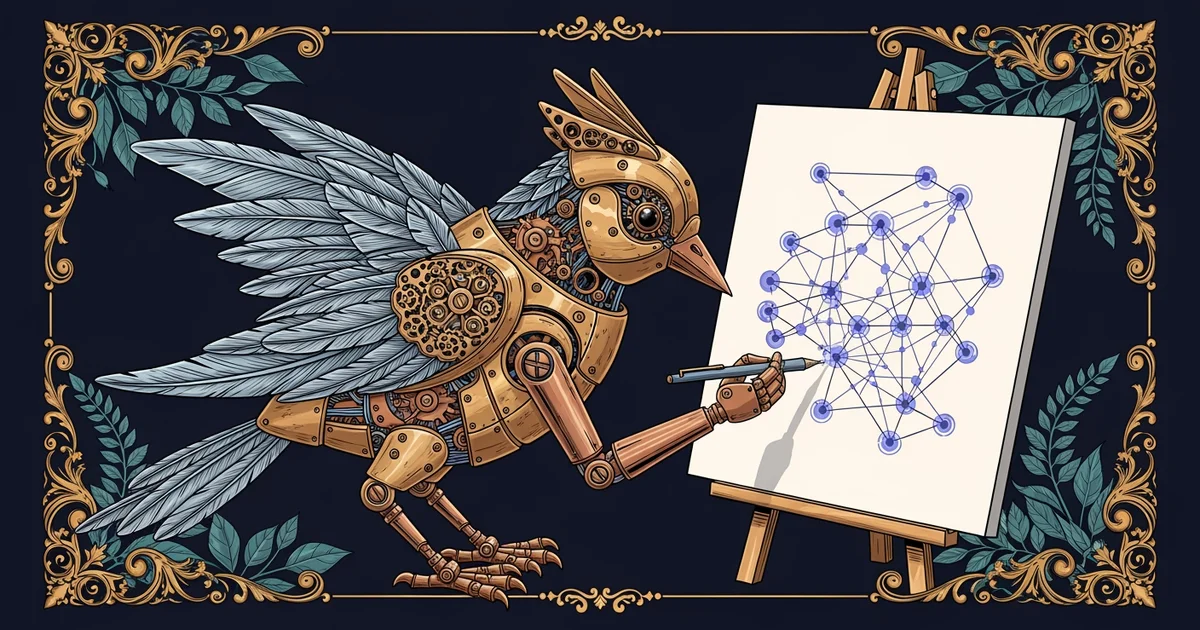
The Framework of Visual Logic
When developers build systems for digital art, they start by defining the basic building blocks of a composition. These rules act like the grammar of a language, where specific structures create meaningful visual sentences. A computer needs to know how to place shapes, how to blend colors, and how to distribute weight across a frame. If you want to create a balanced image, the machine must understand concepts like symmetry and contrast through numerical values. Think of this like a recipe for a cake where the ingredients are pixels instead of flour or sugar. If the proportions of the ingredients change, the final result shifts, even if the underlying rules remain the same.
Key term: Algorithmic Art — a style of creative output where an artist uses a set of defined rules to generate visual patterns or images.
To make these rules work, programmers use specific logic gates that determine what happens next on the screen. For example, if a pixel is dark, the neighboring pixels might need to be light to create a sharp edge. This local decision-making process mimics the way human eyes perceive depth and focus. The machine does not have a soul, but it possesses a perfect memory for the constraints it must follow. By repeating these small, simple decisions millions of times, the computer builds a complex, beautiful structure. This process is less about spontaneous creation and more about the careful orchestration of tiny, logical steps.
Applying Rules Through Patterns
We can see how these rules function by looking at how a computer generates a simple geometric pattern. The system follows a sequence of logical steps to ensure the output remains consistent and orderly.
- Initial state: The system starts with a blank canvas of a specific size and resolution.
- Shape selection: The algorithm chooses a primitive shape based on a random or fixed input value.
- Position mapping: The system calculates coordinates to place the shape according to a grid or a path.
- Color assignment: The machine applies a color value by referencing a pre-defined palette or a mathematical formula.
- Iteration: The system repeats these steps until the canvas meets the density requirements set by the programmer.
This structured approach allows the computer to produce thousands of variations without ever getting bored or tired. Each iteration is a unique expression of the same core logic, yet every result feels distinct to the observer.
| Rule Type | Function | Visual Result |
|---|---|---|
| Symmetry | Reflecting paths | Balanced, calm images |
| Contrast | Boosting variance | Sharp, energetic images |
| Density | Packing objects | Complex, detailed images |
When we compare these rules, we see that the machine is essentially balancing trade-offs. If the density rule is too high, the image becomes cluttered and hard to read for the human eye. If the symmetry rule is too strict, the image might feel robotic or overly predictable. Finding the right balance between these variables is the true art of the programmer. They are not painting the picture, but they are designing the environment where the picture can emerge on its own. This shift in perspective helps us understand that the creativity lies in the design of the rules themselves.
The computer creates art by executing a series of logical constraints that transform raw data into structured visual patterns.
Next, we will explore how adversarial networks allow computers to refine their own rules through a process of trial and error.