
Defining Computational Creativity
Defining the Creative Machine
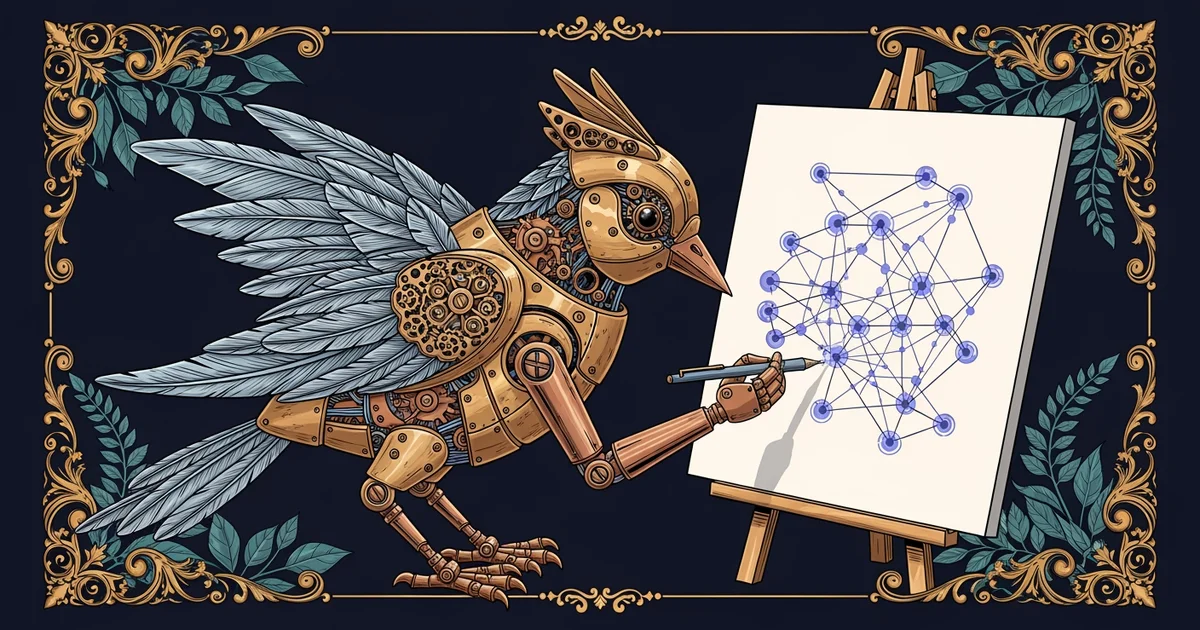
When we think of creativity, we often imagine a human artist working alone. We assume that sparks of genius come from a mysterious, internal source of inspiration. However, computational creativity challenges this assumption by exploring how machines generate new ideas. It is a field of computer science that focuses on software capable of producing creative work. These programs do not simply repeat old data or follow basic instructions blindly. Instead, they attempt to emulate the complex processes humans use to invent, design, and compose.
At its core, this field bridges the gap between cold logic and human expression. Computers operate on rigid rules, yet they can produce results that feel truly inspired. By using algorithms, machines can search through vast possibilities to find novel patterns. This process requires a shift in how we define the act of creation itself. We must consider whether the output is truly original or merely a clever combination of existing data. Understanding this distinction is the first step toward mastering the art of digital invention.
The Logic Behind the Spark
To understand how a machine creates, we must look at the underlying mathematical rules. Creativity often involves taking existing concepts and combining them in unexpected, meaningful ways. Computational systems use search algorithms to navigate these conceptual spaces very quickly. A program might test thousands of variations to see which one meets a specific goal. If the system is well-designed, it will select the most interesting or aesthetically pleasing result.
This process is not magic, but it is highly systematic and surprisingly effective. The computer follows a set of constraints that define what makes a result successful. For example, a music program might follow rules about harmony to ensure the output sounds pleasant. By balancing these rules with random choices, the machine achieves a sense of novelty. This balance is what separates a simple calculator from a truly creative computational system. We see this in action through various models of generative logic.
# A simple rule-based generator for patterns
def generate_pattern(size):
    import random
    pattern = []
    for i in range(size):
        # Randomly choose between two shapes
        shape = random.choice(['Circle', 'Square'])
        pattern.append(shape)
    return pattern

# The output shows the power of simple logic
print(generate_pattern(5))
Why This Matters Today
We are living in an era where machine-generated content is becoming very common. From digital art to complex musical scores, AI is changing how we produce media. Understanding the mechanics of these systems helps us become better critics and creators. If you know how a machine builds an image, you can guide it more effectively. You move from being a passive consumer to an active partner in the process.
Furthermore, this field forces us to ask deep questions about human identity. If a machine can paint a portrait, what does that mean for human artists? Does the value of art come from the effort taken, or the final result? These questions are central to the future of technology and human culture. By studying these concepts, you gain a perspective that is both technical and philosophical. You will be better prepared to navigate a world where human and machine creativity overlap.
Moving Beyond Basic Rules
Early systems relied on human experts to define every single rule. This approach was limited because it could only produce what the programmer could imagine. Today, we use machine learning to allow computers to discover their own rules. The machine analyzes thousands of examples to learn the structure of creativity itself. It learns what makes a painting look like a painting or a song sound like a song. This shift from rule-based to learning-based systems has unlocked incredible new possibilities for digital art.
As you progress through this path, you will see how these systems evolve. We will move from simple patterns to advanced neural networks that generate complex media. You will learn to manipulate the variables that control these creative processes. By the end of this journey, you will understand the full spectrum of computational invention. You will be ready to apply these tools to your own creative projects and ideas.