
Final Synthesis Project
Imagine you are standing before a blank canvas, holding a brush, but your hand moves only because a complex set of instructions tells it exactly where to paint. This scenario mirrors the tension between human intent and machine execution in the world of digital art and creative software. We must ask if the computer is truly creating, or if it is merely an advanced tool that follows our logic to produce an output. This final project requires you to synthesize your understanding of these systems to propose a new, creative application of computational power.
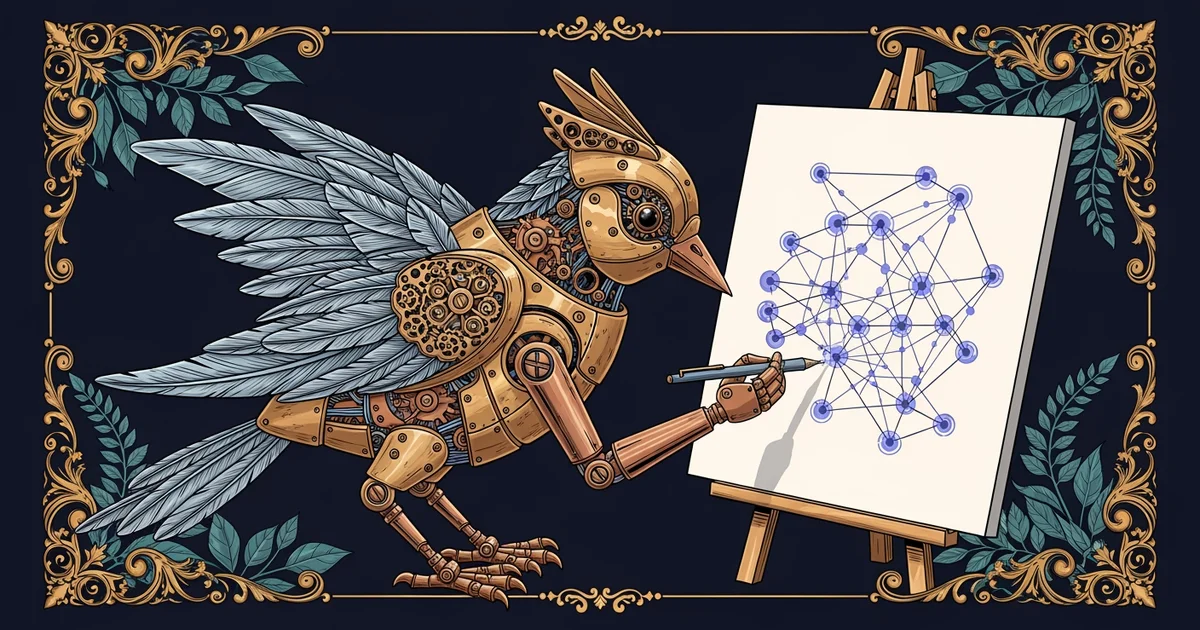
The Architecture of Creative Systems
To build a truly original project, you must first acknowledge that computational creativity relies on the interaction between algorithmic constraints and human guidance. Think of this process like hiring a master craftsman to build a custom piece of furniture for your home. You provide the vision, the dimensions, and the aesthetic preferences, while the craftsman provides the technical skill and labor to construct the final item. In your proposed project, the computer acts as the craftsman, using its processing speed to iterate through thousands of variations of your initial design. You must define the rules of the game clearly, as the machine cannot understand artistic intent without a structured framework to follow during its execution.
Key term: Algorithmic constraints — the specific set of logical boundaries and rules that define the operational scope of a computer program.
Your project proposal should highlight how you will balance these constraints with the freedom you want the machine to have. If you set the rules too tightly, the output will feel repetitive and predictable, lacking the spark of true innovation. If you leave the rules too loose, the machine might generate chaotic data that fails to meet your original goals. You must find the middle ground where the machine operates within your vision but surprises you with results you did not explicitly program.
Designing Your Synthesis Proposal
When developing your final synthesis project, consider how you might combine two distinct technologies to achieve a novel result. You might choose to integrate machine learning models with generative design principles to create an interactive experience. The table below outlines three potential project paths that demonstrate how different technologies can work together to produce unique creative outcomes.
| Project Type | Core Technology | Human Input | Expected Output |
|---|---|---|---|
| Audio Synthesis | Neural Networks | Mood parameters | Unique soundscape |
| Visual Design | Procedural Logic | Geometric shapes | Abstract patterns |
| Narrative Flow | Natural Language | Character traits | Interactive story |
Each of these paths requires you to consider the foundation question: can a computer truly create art? As you draft your proposal, document how the system makes choices during the generation phase. Does it pick options based on random probability, or does it follow a weighted scoring system based on your initial criteria? Understanding the internal decision-making process is vital to explaining whether the machine is creating or merely following instructions. Use the following steps to structure your final proposal document effectively:
- Define the core creative goal by identifying the specific artistic problem you want the computer to solve.
- List the primary algorithmic constraints that will guide the machine during the generation of the final output.
- Create a flow diagram that maps how human input transforms into a digital result through your chosen system.
- Explain how you will measure the success of the output based on your original artistic vision and logic.
This flowchart illustrates the iterative loop where the machine refines its output based on your predefined rules. The computer is not just following a static path, but is actively testing potential results against your criteria until it finds an optimal match. By designing this loop, you gain control over the creative process while allowing the machine to explore vast possibilities that a human could never process alone. The future of this field remains an open question, as researchers continue to debate whether machines can ever possess true subjective intent or if they will always remain limited by the structures we build for them.
True computational creativity emerges when human vision provides the purpose while machine systems provide the vast, iterative exploration of possibilities.
Computational creativity represents a partnership where human intent directs the machine to explore complex possibilities beyond our own immediate reach.